The Black Hills of South Dakota (Pahá Sápa in Lakota) are a landscape shaped by wind, time, and story. From the winding passageways of Jewel Cave, to the towering granite monuments of Crazy Horse and Mount Rushmore, the Black Hills reveal a world rich in history, culture, and sacred meaning. Our adventure felt like a pilgrimage. sacred to the Lakota, the Black Hills is a place where every granite ridge holds both memory and meaning. Rising like an island of stone and pine above the Great Plains, the Black Hills are both a natural marvel and a cultural treasure, inviting visitors to witness the land’s enduring spirit.
Scotts Bluff National Monument (Nebraska)
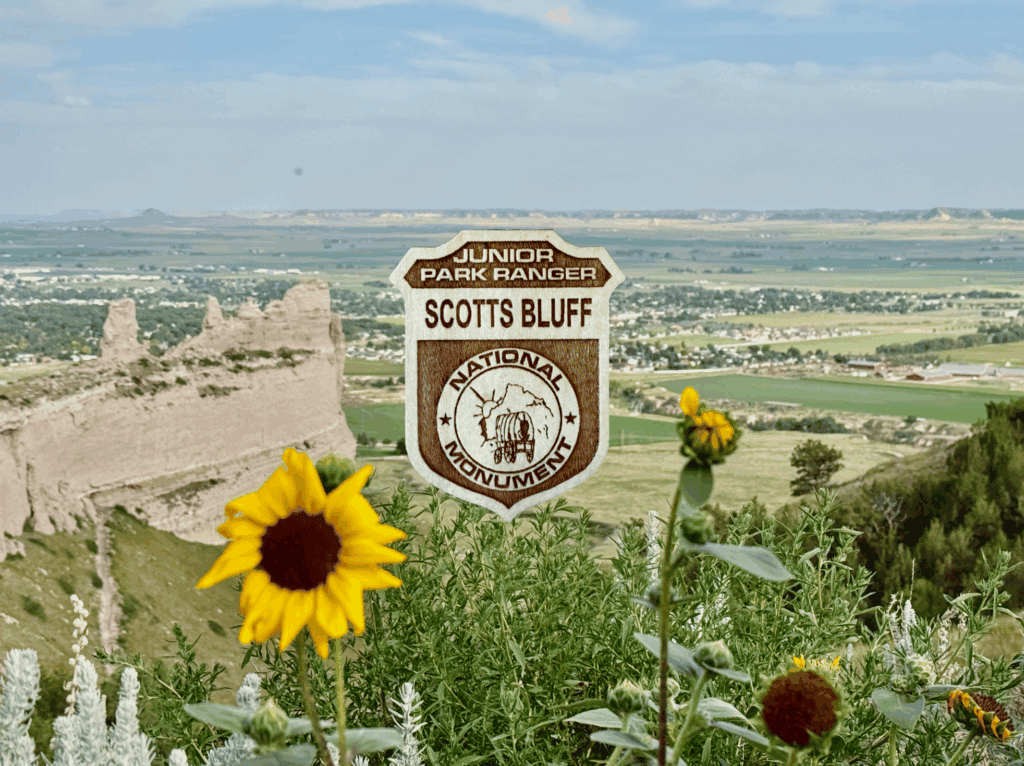
The road to the Black Hills first brought us to Scotts Bluff National Monument. This historic landmark is a sandstone sentinel rising from the prairie. For travelers of the Oregon, California, and Mormon Trails, this bluff was a landmark of hope. It was the promise that the Great Plains were behind them. Hiking to the top, we followed in the footsteps of those who once gazed out across the same vast horizon.
Mount Rushmore National Memorial (South Dakota)
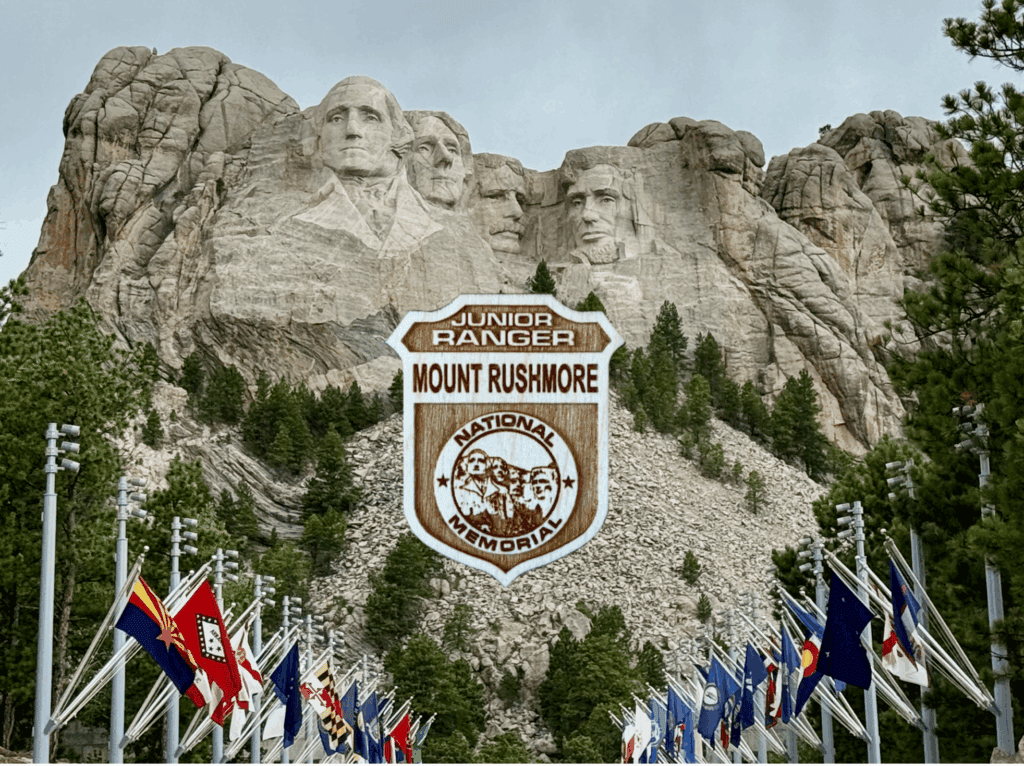
Once in the Black Hills, our first stop was the iconic Mount Rushmore National Memorial. Long before the chisels and dynamite, this granite mountain was known as something far greater. To the Lakota, it was known as Tȟuŋkášila Šákpe, The Six Grandfathers. It was the spiritual heart of their world, the place where the four cardinal directions, the sky above, and the earth below meet. It was, and remains, the center of the universe. A sacred axis where prayers rise and the Creator listens. Standing here, it’s impossible not to feel both the grandeur and the grief.
It was carved into land promised, and then taken, through broken treaties. We see it as the Lakota do, as a desecration of holy ground. It took me years to decide to let our kids earn a Junior Ranger badge at Mount Rushmore. In the end, we chose to visit with humility, to acknowledge the pain and honor the truth embedded in this place. The badge they earned that day wasn’t about pride; it was about awareness. We honored the cultural wounds bound up in the stone, knowing that its irreversibility is part of history. I suppose that remembrance, too, can be a kind of respect.
Crazy Horse Memorial (South Dakota)
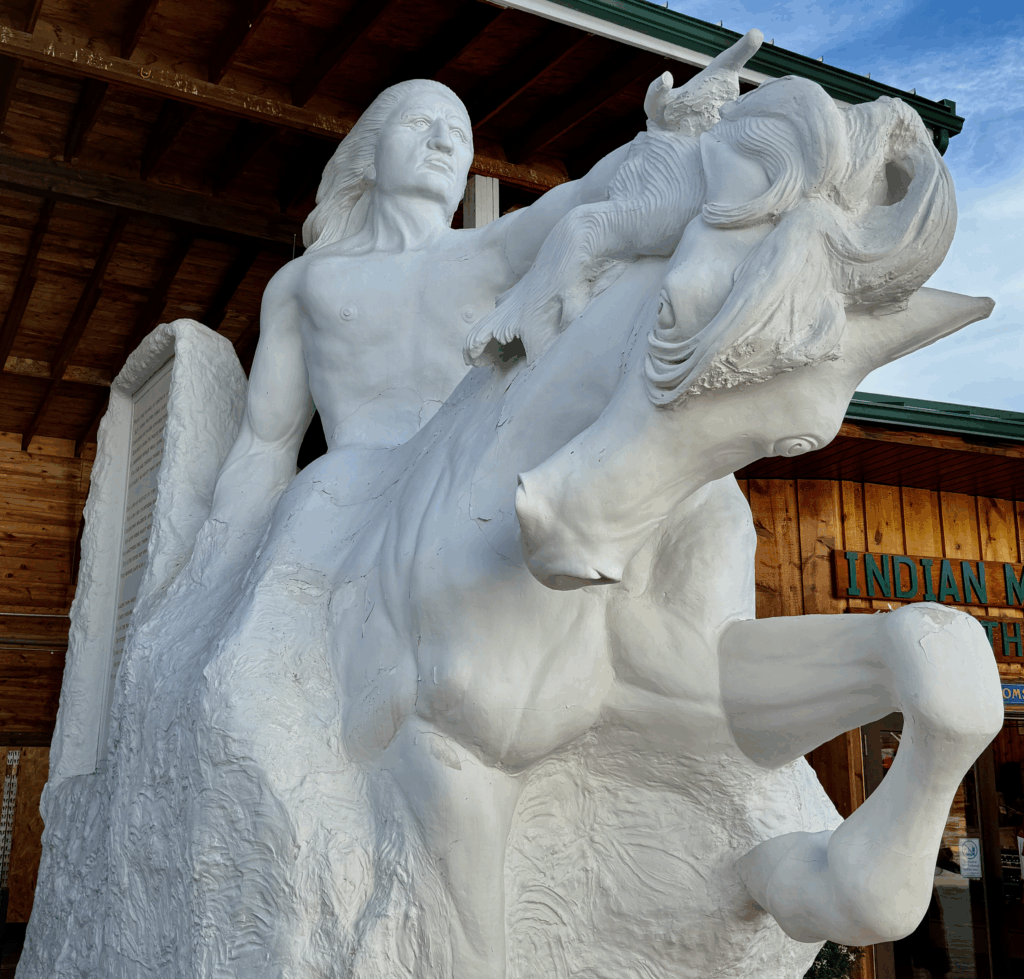
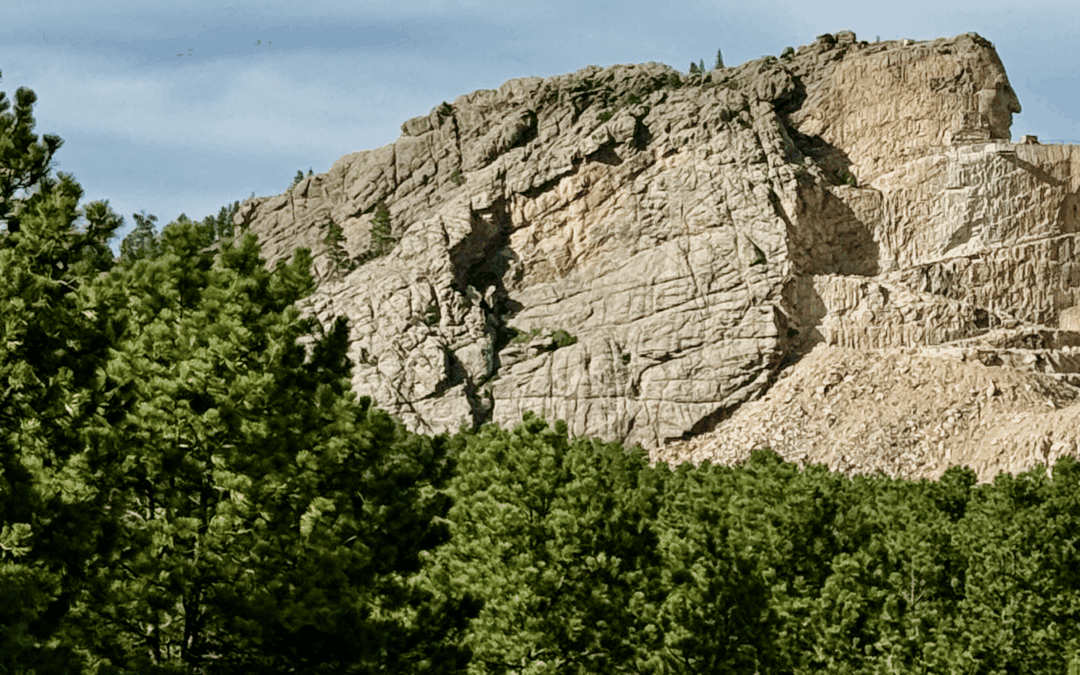
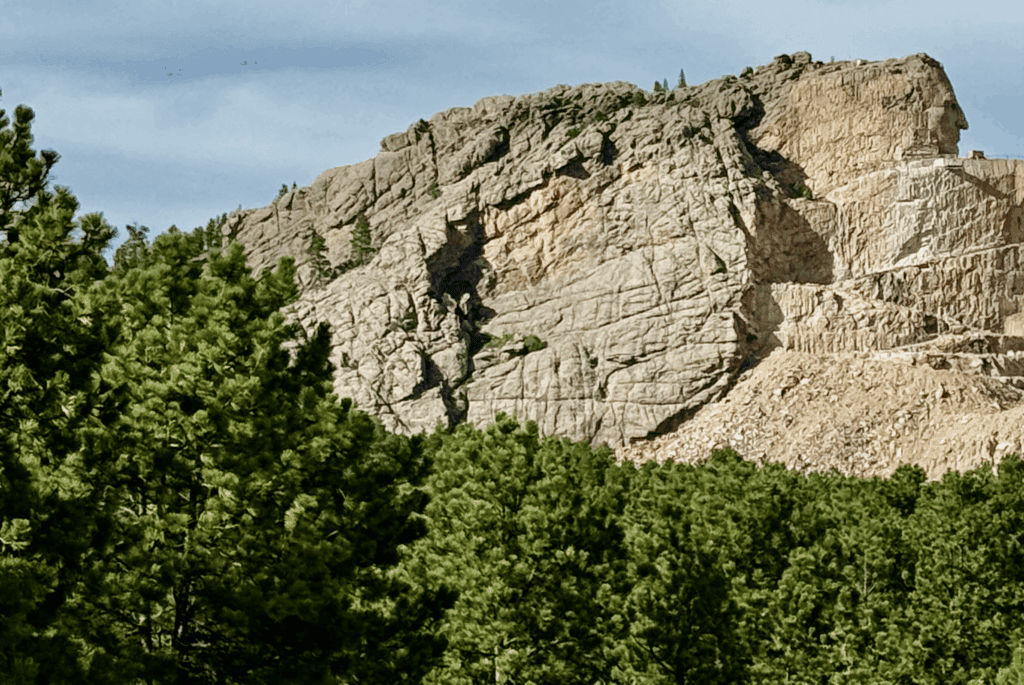
Rising from the granite of the Black Hills, the Crazy Horse Memorial stands not just as a monument, but as a living story. And it is one still being written. Unlike other carvings that look back at completed histories, this one looks forward. Toward healing and remembrance.
The mountain itself is sacred, and the sculpture honors Tȟašúŋke Witkó, Crazy Horse. The Oglala Lakota leader who defended his people, his culture, and the sanctity of this land. Watching the sunlight move across the unfinished face and outstretched arm, we felt the weight of legacy. Not in stone, but in spirit. The memorial’s ongoing work to preserve Native heritage through education and art gave us hope that stories long overshadowed are being lifted into the light again.
Jewel Cave National Monument (South Dakota)
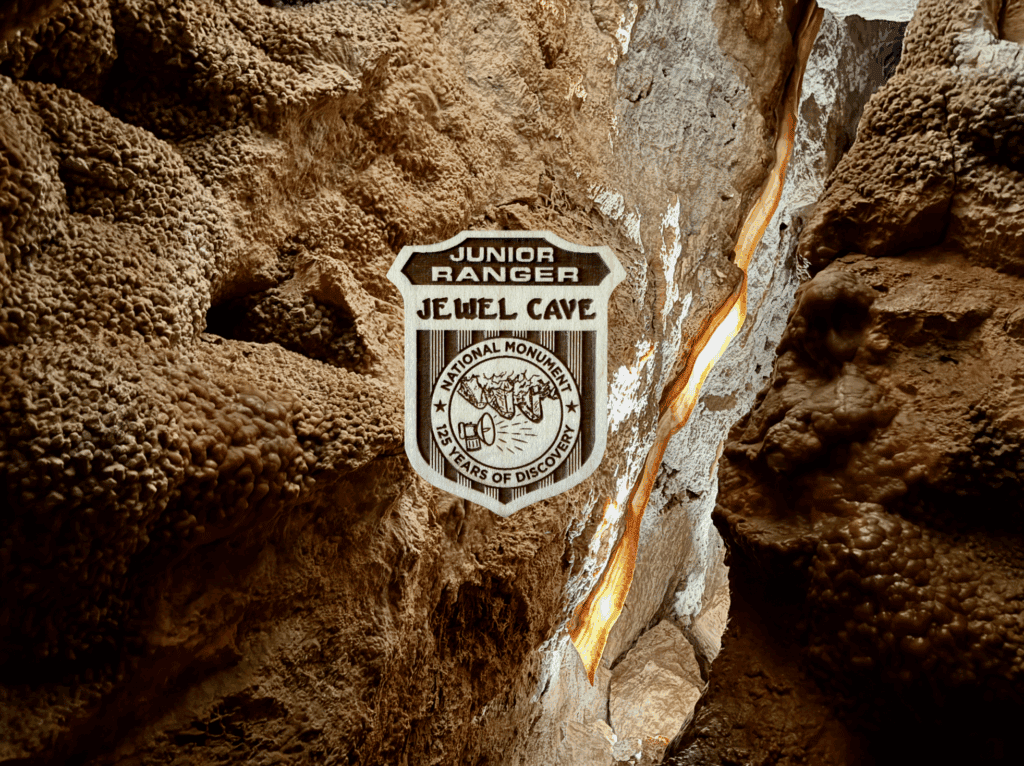
In the underbelly of the Black Hills, Jewel Cave National Monument opened another world beneath our feet. Over 200 miles of mapped passageways twist and glitter below the Black Hills, making it one of the longest cave systems in the world. The calcite crystals — the “jewels” — catch light like frost, and each chamber feels like entering a secret realm of the Earth’s memory. The air is cool and still, the silence alive. The Junior Ranger badge here was earned through careful passageways and curiosity, a reminder that the land’s stories aren’t only told in the open air, but also in the deep quiet below.
The Heart of the Pahá Sápa
The Black Hills (Pahá Sápa) are sacred to many Native nations, especially the Lakota, Cheyenne, and Arapaho. To walk here is to step into a living sanctuary. The pine forests whisper with wind, granite spires rise like cathedrals, and wildflowers dot the meadows like scattered offerings. For us, it was more than sightseeing. It was a chance to be guests. To visit with reverence, to listen.
We traveled here to see precious family and to collect a few badges, but left with something far deeper, the kind of memories that stay within you. These hills gave us more than just adventures; they gave us a sense of connection, humility, and wonder. They reminded us that sacredness isn’t always marked by temples or shrines, it is often found in the quiet pulse of the Earth itself, alive and ancient beneath your feet. Standing here together, we felt the weight of time, the gift of family, and the unmistakable sense that we were standing in the center of something greater than ourselves.