
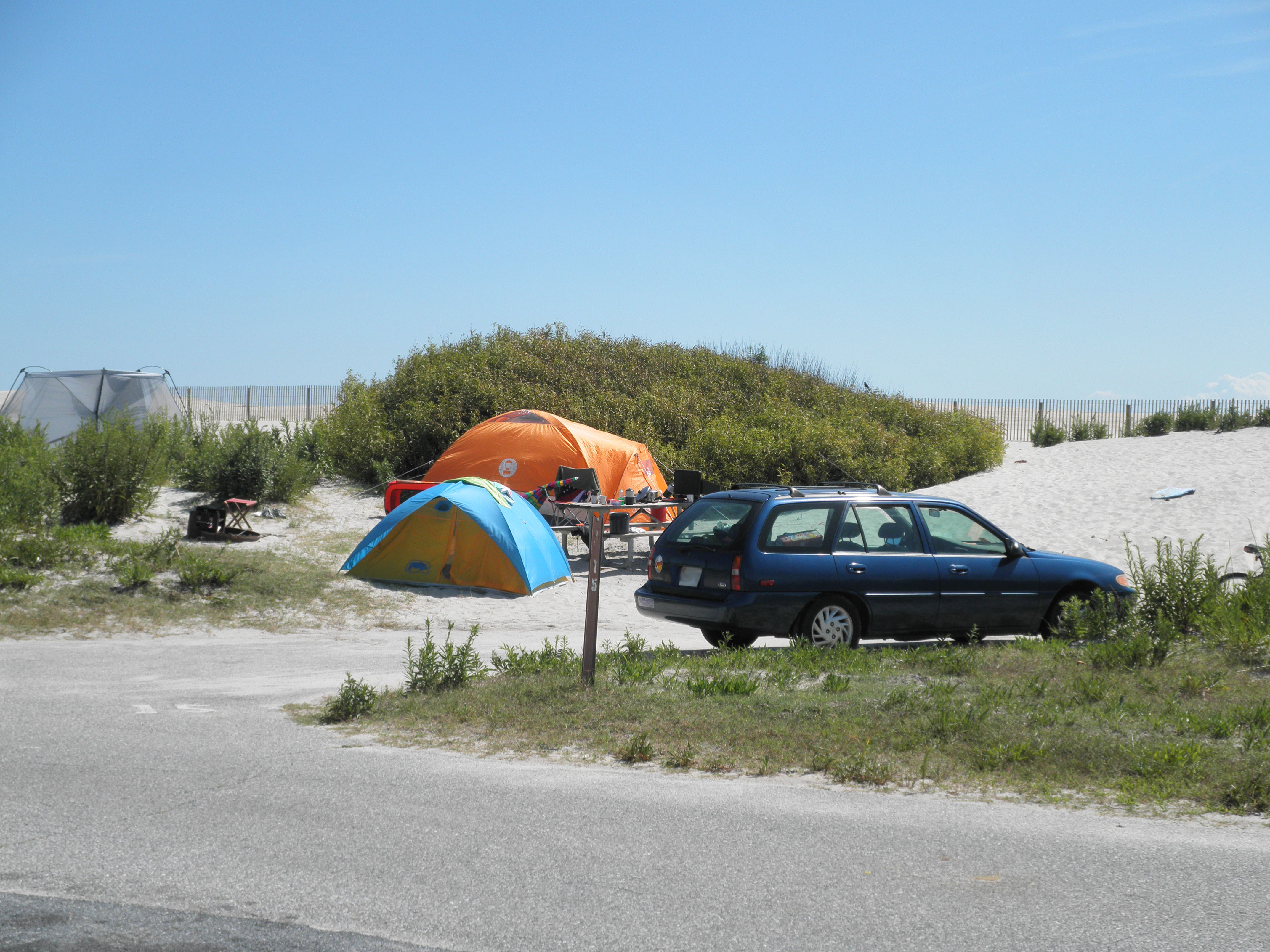
 Photo: NPS Photo
Assateague Island National Seashore protects 37 miles of pristine Atlantic barrier island where wild ponies have roamed freely for over 300 years, creating one of the most magical wildlife viewing experiences on the East Coast. The island spans two states with distinctly different ecosystems — Maryland's Oceanside offers direct beach camping and surf fishing, while Virginia's Bayside provides calmer waters perfect for crabbing and kayaking. Families discover maritime forests where ponies seek freshwater, vast salt marshes teeming with blue crabs, and endless sandy beaches where loggerhead sea turtles nest each summer. What truly sets Assateague apart is watching wild ponies emerge from the dunes onto the beach at sunrise, a scene that feels like stepping into a fairy tale.
Junior Ranger Program at Assateague Island National Seashore
The Junior Ranger program at Assateague Island focuses on coastal ecology and wildlife conservation, with special emphasis on the famous wild ponies that call this island home. Young rangers complete hands-on activities about beach habitats, learn wildlife tracking skills, and discover how barrier islands protect the mainland while earning their official Junior Ranger badge.
- Meet the famous wild ponies of Assateague Island up close
- Explore tide pools and discover marine creatures
- Learn beach safety and Leave No Trace principles for coastal environments
Program Details
Best Ages for Assateague Island National Seashore
Ages 4–6
Little ones absolutely love spotting wild ponies from the safety of the boardwalks and visitor center viewing areas. The beach offers endless opportunities for building sandcastles and collecting shells, though families should plan shorter visits since barrier island weather can change quickly.
Ages 7–10
This age group thrives with the hands-on coastal ecology activities, from identifying different types of shells to learning about barrier island formation. They're old enough to appreciate crabbing at the bayside and can handle the walk to Life of the Marsh Trail for wildlife spotting.
Ages 11+
Older kids and teens connect with the conservation message about protecting wild pony habitat and can tackle more challenging activities like surf fishing or kayaking in the coastal bays. The program's focus on wildlife tracking and barrier island science appeals to their developing environmental awareness.
Planning Your Visit
Getting There
Two separate entrances require planning — Maryland entrance is 8 miles south of Ocean City via Route 611, while Virginia entrance is 2 miles east of Chincoteague via Route 175. No vehicle access connects the two sides, so families must return to the mainland to visit both districts. Entrance fees are $25 for seven days (private vehicle) with free walk-in and bicycle access.
Van & RV Notes
Our 11.5-foot high Sprinter fits comfortably in both campgrounds, though Maryland's Oceanside sites offer the most dramatic beach access while Virginia's Bayside sites provide better protection from Atlantic winds. Both districts accommodate RVs up to 40 feet, with electrical hookups available but no water or sewer connections at individual sites.
Best Time to Visit
Late April through October offers the warmest weather for beach activities and the best wild pony viewing, though summer brings crowds and biting insects. Spring and fall provide cooler temperatures perfect for hiking the marsh trails, while winter visits reward families with solitude and excellent bird watching opportunities.
How Long to Spend
Plan a full day to truly experience both coastal habitats, especially if visiting both Maryland and Virginia districts. The drive between entrances takes about an hour, making this an ideal multi-day destination for families wanting to explore all the island offers.
Don't Miss
Time your visit for early morning or late afternoon pony viewing when the herds are most active and the light creates magical photo opportunities. Families consistently rave about crabbing at the bayside docks — it's surprisingly easy and incredibly rewarding when kids catch their first blue crab.
Fun Facts for Kids
The wild ponies likely descend from horses that survived a colonial shipwreck over 300 years ago, though some legends claim they swam ashore from a Spanish galleon
Assateague Island moves westward about 10 feet every year as Atlantic storms and currents reshape this living barrier island
The famous Chincoteague Pony Swim happens every July when ponies are herded across the channel to the mainland for health checks and adoption
Over 320 bird species have been recorded on Assateague Island, making it one of the premier birding destinations on the Atlantic Flyway
Plan Your Stay
Save on park entry with the America the Beautiful Pass — $80 for unlimited access to all 400+ National Park sites for a full year.
Where to Stay
Some of the links above are affiliate links. If you book through them, we may earn a small commission at no extra cost to you.
Nearby Parks to Earn More Badges
George Washington Birthplace National Monument
George Washington Birthplace National Monument offers families a peaceful contrast with colonial history demonstrations and plantation walks just 45 minutes south.
Harriet Tubman Underground Railroad National Historical Park
Harriet Tubman Underground Railroad National Historical Park brings American freedom stories to life through interactive exhibits about an hour northwest in Church Creek.
Yorktown Battlefield Part of Colonial National Historical Park
Yorktown Battlefield preserves the site where American independence was won, featuring living history programs and battlefield walks about 90 minutes south.
See all Junior Ranger badges
Track your family's progress across every National Park Service site
View Badge Tracker