
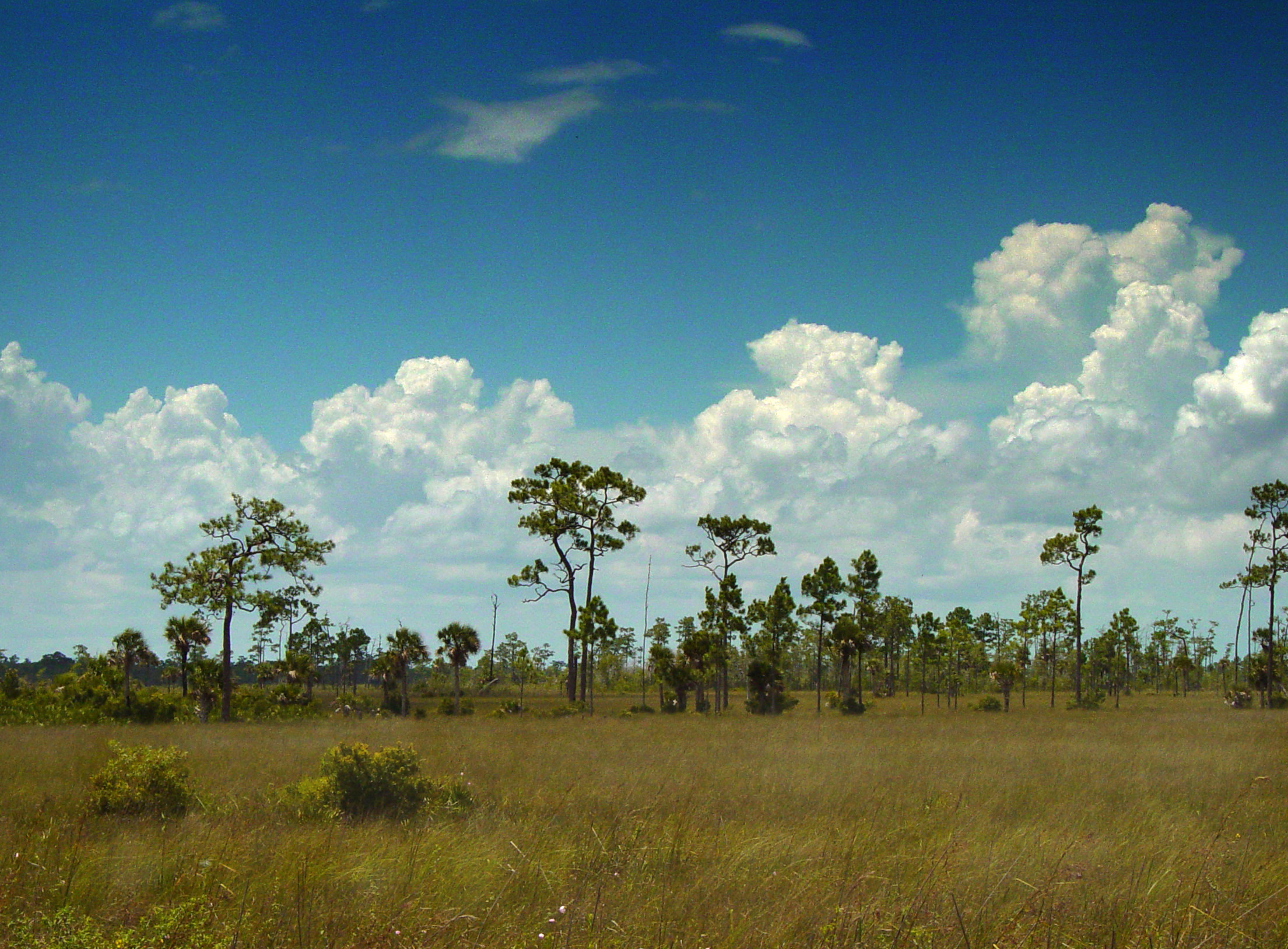
Big Cypress National Preserve
Big Cypress National Preserve protects the headwaters of the Everglades, where ancient cypress trees create mysterious underwater forests during Florida's wet season. Families explore diverse habitats from sawgrass prairies to deep cypress strands, where water levels can reach 4 feet deep in summer and nearly disappear in winter. The preserve features Deep Lake, the deepest natural lake in south Florida at 95 feet, and serves as critical habitat for the endangered Florida panther. Unlike other Florida parks, Big Cypress offers true wilderness immersion with minimal development, allowing families to experience authentic swampland ecology.
Junior Ranger Program at Big Cypress National Preserve
The Junior Ranger program at Big Cypress focuses on wetland ecology and wildlife conservation through hands-on activities and educational booklets. Kids learn to identify native species like alligators, wading birds, and cypress trees while completing age-appropriate challenges that teach them about this fragile ecosystem.
- Spot alligators and manatees in their natural habitat
- Explore scenic Loop Road for wildlife viewing
- Learn about Seminole and Miccosukee tribal history
Program Details
Our Earned Badge
Best Ages for Big Cypress National Preserve
Ages 1–6
Young kids absolutely love the short boardwalks at both visitor centers where alligators bask just feet away. The Oasis Visitor Center boardwalk offers guaranteed wildlife viewing in just 5-10 minutes, perfect for short attention spans. Families find the paved areas around visitor centers ideal for toddlers while older siblings tackle booklet activities.
Ages 7–12
Elementary kids thrive on the Fire Prairie Trail's easy 5-mile walk through sawgrass prairies where they spot wading birds and learn about wetland ecosystems. The booklet's wildlife identification activities perfectly match what families encounter on the Turner River scenic drive. Kids this age love earning the tri-park challenge by visiting all three South Florida preserves.
Ages 13+
Teens and adults can tackle the moderately strenuous Gator Hook Trail, wading through knee-deep water while learning about cypress strand ecology. The program encourages completion of all activities for the full educational experience. Older participants appreciate the preserve's role in Everglades restoration and Florida panther conservation efforts.
Planning Your Visit
Getting There
Drive US 41 (Tamiami Trail) between Miami and Naples — the preserve stretches for miles along this highway with two main visitor centers. Parking is free and abundant at both locations. No entrance fee or reservations required, and the preserve stays open 24/7 year-round.
Van & RV Notes
Burns Lake Campground welcomes RVs up to 40 feet with our Sprinter van fitting comfortably. The campground offers no hookups but provides a true wilderness camping experience. Both visitor centers have spacious parking areas easily accommodating large RVs and van conversions.
Best Time to Visit
Visit November through April during dry season when wildlife concentrates around remaining water sources and temperatures stay comfortable in the 70s-80s. Summer brings daily thunderstorms, oppressive humidity, and aggressive mosquitoes that make hiking miserable. Water levels drop significantly in winter, making trails more accessible but requiring extra water for hiking.
How Long to Spend
Plan a full day to experience both visitor centers and complete one moderate trail like Fire Prairie or Deep Lake. The preserve truly rewards multi-day visits with its 36-mile Florida Trail section and numerous scenic drives through different habitats.
Don't Miss
The Loop Road scenic drive takes families 24 miles through authentic cypress swamp on mostly unpaved roads where alligators sun themselves mere feet from your vehicle. Deep Lake Trail leads to the deepest natural lake in south Florida — kids are amazed that this seemingly shallow swamp hides such depths.
Fun Facts for Kids
Deep Lake plunges 95 feet down, making it the deepest natural lake in south Florida despite the surrounding swamp appearing shallow
Florida panthers need 200 square miles of territory each — Big Cypress provides critical habitat for these endangered cats with only 120-230 remaining in the wild
The preserve's cypress trees can live over 500 years, surviving hurricanes by growing buttressed roots that spread wide for stability
Water levels can vary by 4 feet between wet and dry seasons, completely transforming the landscape from underwater forest to walkable prairie
Plan Your Stay
Save on park entry with the America the Beautiful Pass — $80 for unlimited access to all 400+ National Park sites for a full year.
Where to Stay
Some of the links above are affiliate links. If you book through them, we may earn a small commission at no extra cost to you.
Nearby Parks to Earn More Badges
Biscayne National Park
Biscayne National Park protects coral reefs and crystal-clear waters perfect for snorkeling adventures just an hour's drive east
De Soto National Memorial
Everglades National Park offers the famous Anhinga Trail for guaranteed alligator viewing plus flamingo spotting at Flamingo visitor center
Everglades National Park
De Soto National Memorial commemorates the Spanish explorer's 1539 landing with living history demonstrations and beautiful Tampa Bay views
Our Adventures at Big Cypress National Preserve
See all Junior Ranger badges
Track your family's progress across every National Park Service site
View Badge Tracker