
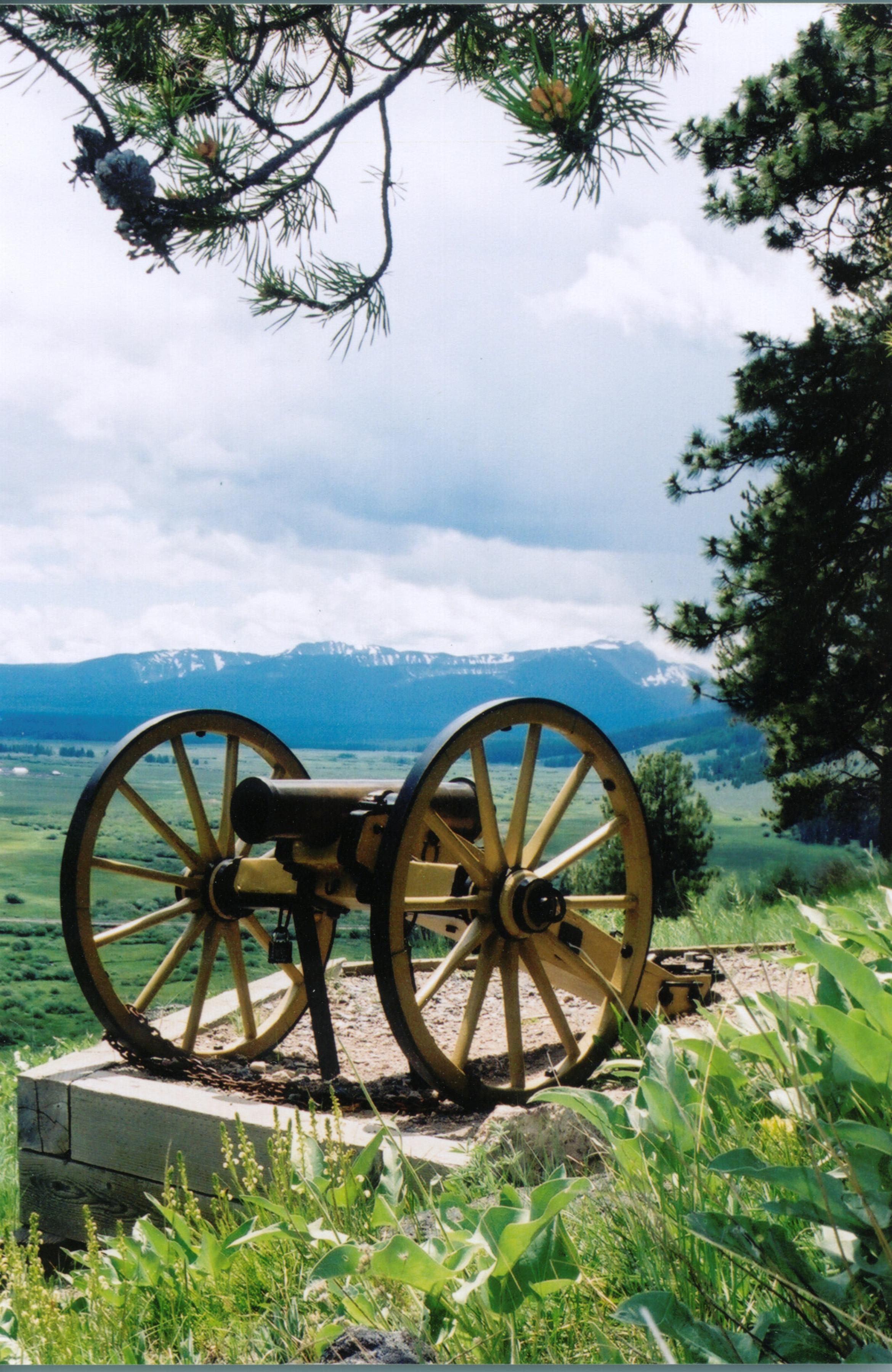
Big Hole National Battlefield preserves one of the most significant sites in the Nez Perce War of 1877, where Chief Joseph's band was attacked at dawn while fleeing toward Canada. The pristine mountain valley sits at 6,200 feet elevation, surrounded by the Bitterroot Range, where families can walk the actual battlefield terrain and see tepee pole scars still visible in the meadow grass. Unlike other battlefield parks that focus primarily on military strategy, Big Hole emphasizes the human cost of conflict through powerful exhibits about Nez Perce culture and the women, children, and elders who died here. The visitor center houses one of the most moving collections of Native American artifacts and oral histories in the National Park system.
Junior Ranger Program at Big Hole National Battlefield
The Junior Ranger program at Big Hole focuses on understanding Nez Perce culture and the historical significance of this battlefield. Kids complete activities that teach them about traditional Native American life, the importance of preserving sacred sites, and how to be respectful visitors to memorial locations.
- Walking the self-guided trail with Junior Ranger booklet activities
- Learning about Nez Perce traditions and their journey to freedom
- Earning a special Junior Ranger badge from this historic battlefield
Program Details
Best Ages for Big Hole National Battlefield
Ages 4–6
The visitor center exhibits and short film provide a gentle introduction to Native American culture and history. The flat Nez Perce camp trail works well for little legs, though the heavy subject matter requires careful parental guidance.
Ages 7–10
Kids this age can better understand the historical significance and engage meaningfully with the Junior Ranger activities about Nez Perce traditions and respect for sacred sites. The battlefield trails become more interesting as they can follow the story of what happened here.
Ages 11+
Teens and adults truly appreciate the complex historical narrative and can handle all three battlefield trails that piece together the tragic events of August 1877. The visitor center's extensive exhibits and oral history presentations resonate powerfully with older participants who can grasp the broader context of westward expansion and its impact on Native peoples.
Planning Your Visit
Getting There
The small parking area accommodates RVs and larger vehicles, but spaces fill during peak summer months so arrive early. Highway 43 is well-maintained year-round, though winter visitors should check road conditions as this remote location sits at high elevation.
Van & RV Notes
Our 22-foot Sprinter fits comfortably in the main parking area with room to maneuver. No overnight parking allowed at the battlefield, but nearby Wisdom offers basic services and several RV-friendly stops for restocking supplies.
Best Time to Visit
June through September offers the best weather and guaranteed visitor center operations, with July and August providing the warmest conditions for hiking all three battlefield trails. Spring and fall visits are possible but may have limited services and potentially muddy or snowy trail conditions.
How Long to Spend
Plan a full morning or afternoon to experience the visitor center exhibits and complete at least two of the three battlefield trails properly.
Don't Miss
The 23-minute film 'Big Hole National Battlefield: Honor and Sacrifice' provides essential context before exploring the trails, and the actual tepee pole scars in the meadow grass create a powerful connection to the families who camped here in 1877.
Fun Facts for Kids
You can still see scars in the meadow grass where Nez Perce tepee poles were dragged during the 1877 attack
The battlefield sits at 6,200 feet elevation in a valley that stays remarkably cold even in summer — frost can occur any month of the year
Chief Joseph's famous surrender speech 'I will fight no more forever' was given at Bear Paw Battlefield, 200 miles north of Big Hole
The Nez Perce traveled over 1,170 miles during their 1877 flight toward Canada, making it one of the longest military pursuits in American history
Plan Your Stay
Save on park entry with the America the Beautiful Pass — $80 for unlimited access to all 400+ National Park sites for a full year.
Where to Stay
Some of the links above are affiliate links. If you book through them, we may earn a small commission at no extra cost to you.
Nearby Parks to Earn More Badges
Grant-Kohrs Ranch National Historic Site
Grant-Kohrs Ranch National Historic Site showcases the cattle baron era of the Old West with living history demonstrations and beautiful ranch buildings just 90 minutes northeast.
Nez Perce National Historical Park
Nez Perce National Historical Park tells the broader story of the Nez Perce people across 38 sites in four states, with the headquarters and museum in Idaho offering deeper cultural context.
Yellowstone National Park
Yellowstone National Park lies about 3 hours southeast, making Big Hole a meaningful historical stop when traveling to or from America's first national park.
See all Junior Ranger badges
Track your family's progress across every National Park Service site
View Badge Tracker