
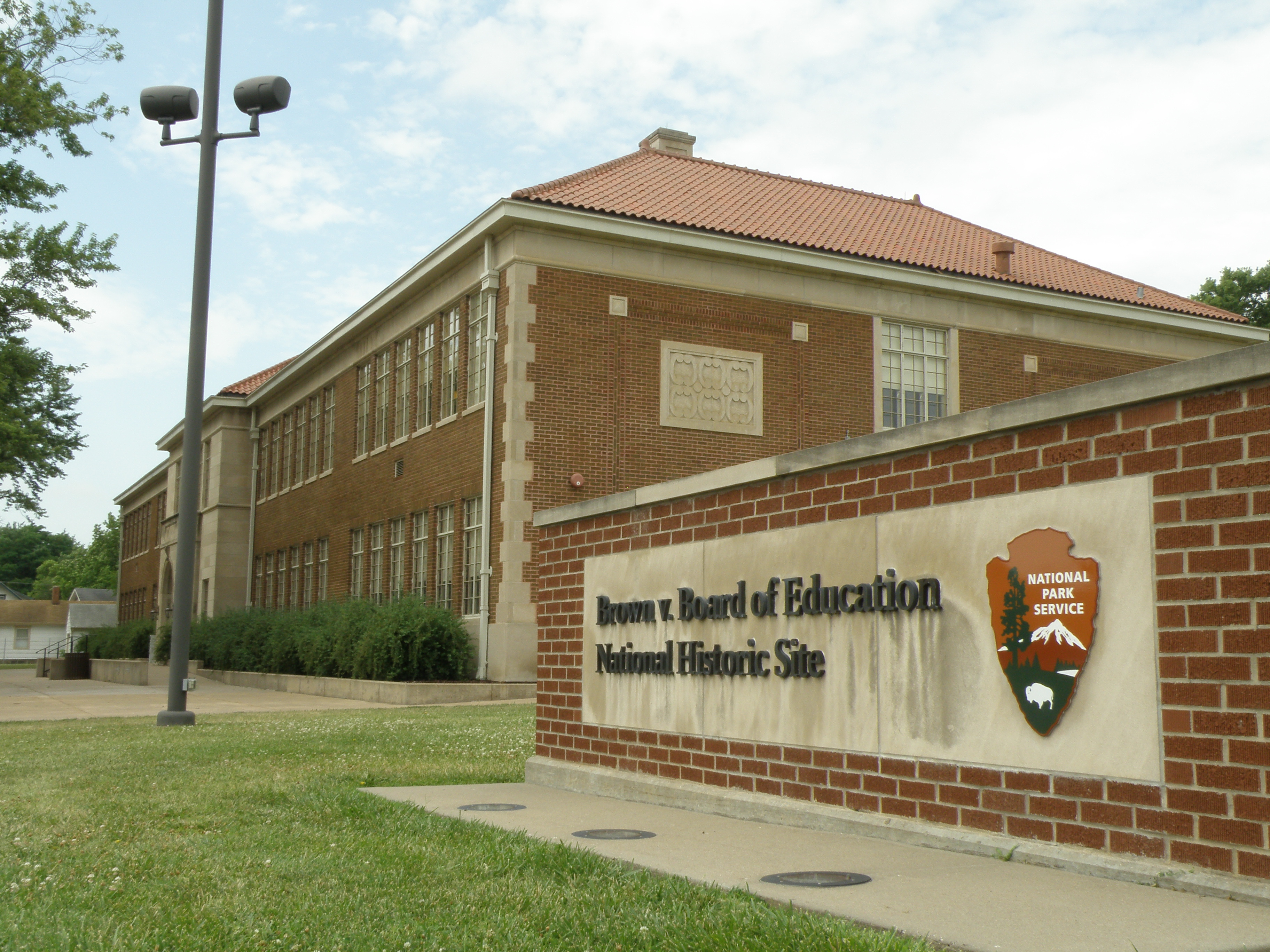
Brown v. Board of Education National Historical Park
Brown v. Board of Education National Historical Park preserves the original Monroe Elementary School, one of four segregated schools for Black children in Topeka before the landmark 1954 Supreme Court decision. Families walk through authentic 1950s classrooms where children once learned under the "separate but equal" doctrine, experiencing firsthand the stark differences in educational resources. The park's interactive exhibits bring to life the courage of the thirteen families who challenged segregation, including detailed stories of the children who became the face of this pivotal civil rights case. Unlike other civil rights sites, this park focuses specifically on education equality, making complex legal concepts accessible through personal stories and preserved classroom settings.
Junior Ranger Program at Brown v. Board of Education National Historical Park
The Junior Ranger program here engages young visitors through interactive activities that bring civil rights history to life in age-appropriate ways. Kids complete educational booklets featuring puzzles, games, and thought-provoking questions while exploring the historic Monroe Elementary School and learning about the brave families who fought for educational equality.
- Explore the restored 1950s Monroe Elementary School classroom
- Learn about Ruby Bridges and other young civil rights heroes
- Participate in role-playing activities about fairness and equality
Program Details
Best Ages for Brown v. Board of Education National Historical Park
Age ranges are suggested groupings — check at the visitor center for the official Junior Ranger booklet breakdown.
Ages 4–7
Young children connect well with the personal stories of the children involved in the case, as they can relate to going to school every day. The preserved classroom settings help them understand how schools used to be different, though parents should be prepared to discuss difficult topics about fairness in age-appropriate ways.
Ages 8–12
This age group truly grasps the significance of the court case and can engage more deeply with the exhibits about segregation and integration. Kids this age often have strong reactions to learning about unfair treatment and can better understand the timeline of events leading to the Supreme Court decision.
Ages 13+
Teens and adults can fully appreciate the legal complexities and long-term impact of the Brown v. Board decision on American society. The program challenges older participants to think critically about ongoing equality issues and connects historical events to contemporary civil rights movements.
Planning Your Visit
Getting There
The park sits right in downtown Topeka at 1515 SE Monroe Street with straightforward city driving access. The visitor center parking lot easily accommodates larger vehicles including RVs and conversion vans. No reservations needed — simply arrive during operating hours and park in the designated lot.
Van & RV Notes
The downtown location means no overnight parking at the park itself, but several RV parks and campgrounds operate within 15 minutes of downtown Topeka. Our 22-foot Sprinter had no issues with the visitor center parking or navigating the surrounding city streets. Urban boondocking options exist, though we recommend established campgrounds for comfort and amenities.
Best Time to Visit
Spring through fall offers the most comfortable weather for exploring, though the entirely indoor experience makes this park perfect for winter visits when other Kansas attractions might be less appealing. Weekdays typically see smaller crowds, allowing for more personal interaction with rangers and quieter reflection time in the historic classrooms.
How Long to Spend
Plan 2-3 hours total to fully experience the exhibits, complete the Junior Ranger program, and absorb the powerful history. The compact site focuses your time effectively without overwhelming younger visitors.
Don't Miss
Walk through the restored 1950s classroom to see original desks, chalkboards, and educational materials that bring the era to life. The multimedia presentation featuring interviews with the actual families involved in the case provides incredibly moving firsthand accounts that make history feel immediate and personal.
Fun Facts for Kids
The case was actually five separate lawsuits from different states that were combined into one Supreme Court case
Monroe Elementary School continued operating as an integrated school until 1975, more than 20 years after the famous court decision
The lead plaintiff, Oliver Brown, was recruited by the NAACP specifically because he lived close enough to the white school to make the segregation argument clear
The school building served different purposes over the years, including as a storage facility, before being restored as a National Historic Site
Plan Your Stay
Save on park entry with the America the Beautiful Pass — $80 for unlimited access to all 400+ National Park sites for a full year.
Where to Stay
Some of the links above are affiliate links. If you book through them, we may earn a small commission at no extra cost to you.
Nearby Parks to Earn More Badges
Fort Scott National Historic Site
Fort Scott National Historic Site preserves a frontier military fort where families can explore historic buildings and learn about the role of Buffalo Soldiers in westward expansion.
Harry S Truman National Historic Site
Tallgrass Prairie National Preserve offers hiking trails through authentic Kansas prairie landscape where kids can spot bison and learn about this vanishing ecosystem.
Tallgrass Prairie National Preserve
Harry S Truman National Historic Site in Missouri showcases the home and neighborhood of America's 33rd president, perfect for families interested in presidential history.
See all Junior Ranger badges
Track your family's progress across every National Park Service site
View Badge Tracker