
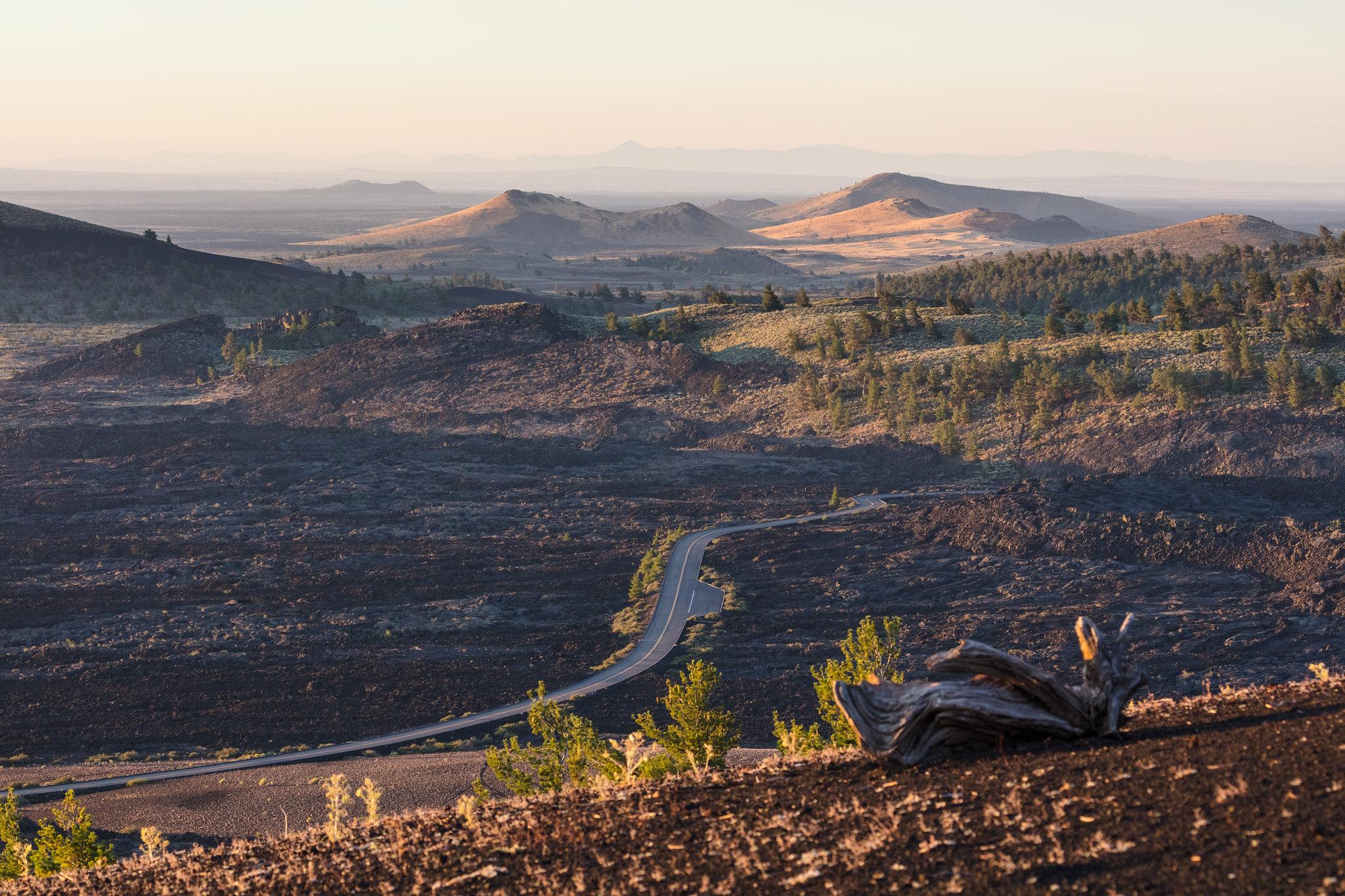
Craters Of The Moon National Monument & Preserve
Craters Of The Moon spans 750,000 acres of ancient lava flows that erupted as recently as 2,000 years ago, making it one of the youngest volcanic landscapes in the continental United States. Families explore named features like Inferno Cone, Devils Orchard, and Indian Tunnel—a massive lava tube cave you can walk through with flashlights. The monument's black basalt formations absorbed so much heat that NASA actually trained Apollo astronauts here in the 1960s, practicing for lunar surface conditions. Unlike other volcanic parks, Craters Of The Moon showcases a complete lava field ecosystem where hardy plants like limber pines and Indian paintbrush have colonized the harsh volcanic soil.
Junior Ranger Program at Craters Of The Moon National Monument & Preserve
The Junior Ranger program here focuses on volcanic geology and desert survival, with activities exploring how lava tubes formed and what plants and animals thrive in this harsh environment. Kids complete hands-on experiments about volcanic processes and learn to identify different types of lava rock formations throughout the monument.
- Exploring accessible lava tube caves with flashlights
- Learning about the area's role in NASA astronaut training
- Discovering how sagebrush and wildflowers survive in volcanic soil
Program Details
Our Earned Badge
Best Ages for Craters Of The Moon National Monument & Preserve
Ages 4–6
Young kids absolutely love exploring the visitor center exhibits about volcanoes and touching different types of lava rock samples. The short walk to view Spatter Cones works perfectly for little legs, and they're fascinated by the mini-volcano formations. Save the cave exploration for when they're older, as lava tubes can feel overwhelming in the darkness.
Ages 7–10
This age group truly shines with the hands-on volcanic experiments and lava tube exploration activities. They love learning how different lava formations got their names and can handle moderate hikes like Devils Orchard trail. The Junior Ranger program's focus on desert survival skills and identifying volcanic features keeps them engaged throughout their visit.
Ages 11+
Older kids and teens gravitate toward the more challenging hikes like Inferno Cone and North Crater Trail, where they can see the volcanic landscape from elevated perspectives. They appreciate learning about NASA's astronaut training here and understanding the complex geological processes that created this unique ecosystem. The cave exploration becomes an adventure rather than intimidating for this age group.
Planning Your Visit
Getting There
The visitor center sits 18 miles southwest of Arco, Idaho on U.S. Highway 20/26/93 with ample parking for larger vehicles. No reservations needed for the main Loop Road area, but arrive early during peak summer months as the black lava absorbs heat intensely by midday. The entrance fee is $20 per vehicle for seven consecutive days.
Van & RV Notes
The visitor center parking area easily accommodates our 22-foot Sprinter van and larger RVs without issues. Loop Road campground offers sites suitable for vans, though no hookups are available—plan for dry camping. Backcountry roads require high clearance four-wheel drive vehicles, so larger RVs should stick to the paved scenic drive and walk to explore specific features.
Best Time to Visit
Late April through October offers the most comfortable family visiting, as the Loop Road closes in winter due to snow. Summer temperatures can reach 170°F on the black lava surface, making early morning or late afternoon visits essential during July and August. Spring and fall provide ideal hiking weather with fewer crowds and more manageable temperatures for exploring lava tubes.
How Long to Spend
Plan a full day to experience both the visitor center exhibits and several short hikes along Loop Road. The Junior Ranger program takes 15-30 minutes but families typically spend 4-6 hours exploring caves, hiking to viewpoints, and learning about volcanic processes throughout the monument.
Don't Miss
Indian Tunnel offers an incredible lava tube cave experience where families can walk through a massive underground passage with flashlights—it's like exploring an alien world beneath your feet. The view from Inferno Cone rewards families with a stunning panoramic perspective of the entire lava field, helping kids understand the massive scale of ancient volcanic activity.
Fun Facts for Kids
The lava surface can reach 170°F in summer, hot enough to melt the soles of shoes if you stand still too long
NASA trained Apollo astronauts here because the terrain closely resembles the lunar surface
Some lava flows at Craters of the Moon are only 2,000 years old, making them younger than the Roman Colosseum
Indian Tunnel lava tube is so large that early settlers used it as a natural refrigerator to store food
Plan Your Stay
Save on park entry with the America the Beautiful Pass — $80 for unlimited access to all 400+ National Park sites for a full year.
Where to Stay
Some of the links above are affiliate links. If you book through them, we may earn a small commission at no extra cost to you.
Nearby Parks to Earn More Badges
City Of Rocks National Reserve
City Of Rocks National Reserve features towering granite spires and pioneer wagon ruts where families can rock climb and trace California Trail history just 90 minutes south.
Hagerman Fossil Beds National Monument
Hagerman Fossil Beds National Monument showcases ancient horse fossils and Snake River views, perfect for young paleontologists about 75 miles southeast.
Minidoka National Historic Site
Minidoka National Historic Site preserves the history of Japanese American incarceration during World War II, offering important educational opportunities 90 minutes east near Twin Falls.
See all Junior Ranger badges
Track your family's progress across every National Park Service site
View Badge Tracker