
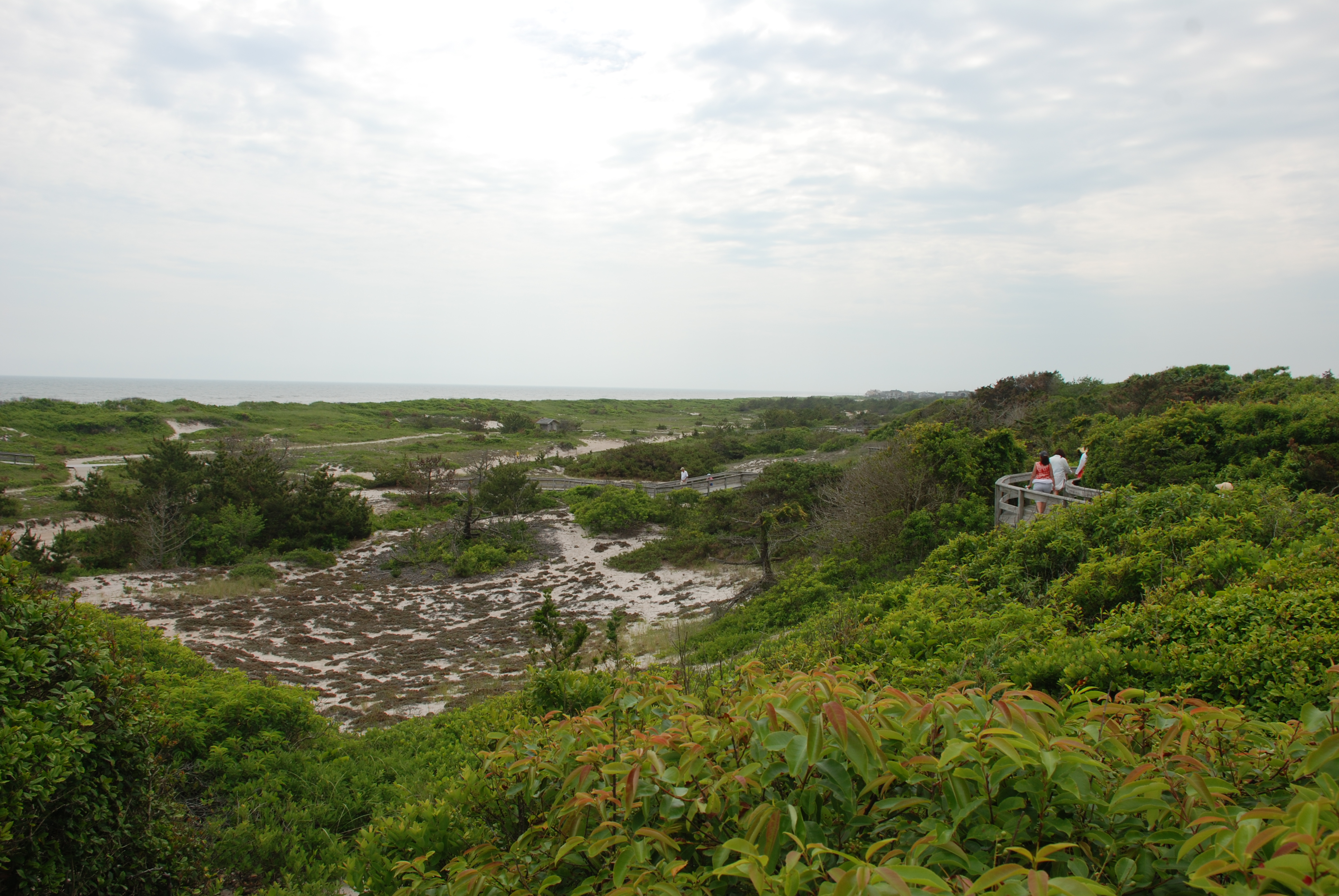
Fire Island National Seashore protects one of the few remaining undeveloped barrier islands on the Atlantic coast, where dynamic sand dunes shift constantly with ocean winds and storms. Families explore the 26-mile stretch via ferry access, discovering maritime forests where deer browse just steps from pristine beaches, and the historic Fire Island Lighthouse that has guided ships since 1858. The Otis Pike Fire Island High Dune Wilderness offers a rare wilderness experience within an hour of Manhattan, where kids can witness how barrier islands naturally protect the mainland from storm surge. Unlike other coastal parks, vehicles aren't permitted on most of the island, creating a uniquely peaceful environment where families walk or bike between communities connected only by boardwalks and sandy paths.
Junior Ranger Program at Fire Island National Seashore
The Junior Ranger program at Fire Island focuses on barrier island ecology, teaching kids about dune formation, sea turtle conservation, and protecting fragile coastal environments. Young explorers participate in beach walks, wildlife observation, and learn how barrier islands serve as natural storm buffers for the mainland.
- Spotting deer, foxes, and over 300 bird species in maritime forests
- Learning about sea turtle nesting and lighthouse history
- Exploring pristine beaches and understanding dune ecosystem protection
Program Details
Best Ages for Fire Island National Seashore
Ages 5–7
The youngest explorers love the Fire Island orientation booklet designed specifically for their age group, focusing on basic barrier island concepts they can understand. Beach walks to search for shells and observe shorebirds capture their attention, while simple activities about dune formation help them connect with the coastal environment. Ferry rides to reach the island often become the highlight of their visit.
Ages 8–12
This age group thrives during Junior Ranger Saturdays, participating in hands-on activities covering seashore environment, maritime history, and national park concepts. The horseshoe crab booklet particularly engages kids who enjoy learning about these ancient creatures that spawn on Fire Island beaches each spring. Ranger-led programs during summer offer perfect opportunities for this age group to dive deeper into barrier island ecology and coastal stewardship.
Ages 13+
Teens and adults tackle the comprehensive orientation booklet designed for their age level, exploring complex topics like coastal dynamics and Fire Island's role in protecting Long Island's south shore. The wilderness aspect appeals to older participants who can appreciate backcountry camping opportunities in the Otis Pike Wilderness Area. Safe boating activities and maritime history programs provide engaging challenges for this age group who can understand the island's strategic importance during wartime.
Planning Your Visit
Getting There
Park at mainland visitor centers in Patchogue or Bay Shore, then take seasonal ferries to reach Fire Island since vehicles aren't permitted on most of the island. Ferry schedules vary by season, so check current timetables before your visit. The Fire Island Lighthouse and William Floyd Estate on Long Island are accessible by car year-round.
Van & RV Notes
Your Sprinter works perfectly for accessing mainland facilities, with ample parking at the Patchogue headquarters and ferry terminals. No camping is available for RVs, but backcountry camping exists in the wilderness area for tent camping only. Consider staying at nearby Long Island campgrounds and making day trips via ferry to the island.
Best Time to Visit
Late spring through early fall offers the warmest weather and full ferry service, with July and August providing the most Junior Ranger programming. Spring and fall bring fewer crowds and excellent birding along the Atlantic Flyway, though ferry schedules may be reduced. Winter visits focus on mainland sites like the lighthouse and William Floyd Estate, with limited island access.
How Long to Spend
Plan a full day to experience both mainland sites and ferry access to the island, allowing time for beach exploration and visitor center activities. Multiple visits work well since different Junior Ranger booklets focus on various aspects of the seashore ecosystem.
Don't Miss
Climbing the Fire Island Lighthouse provides stunning views of the barrier island system and Atlantic Ocean that help kids understand the geography they're exploring. The Burma Trail through the wilderness area offers families a rare chance to hike undisturbed maritime forest where white-tailed deer roam just miles from New York City.
Fun Facts for Kids
Fire Island moves westward about 20 feet per year due to natural sand migration, constantly reshaping the coastline
The island is home to one of the largest populations of white-tailed deer on Long Island, with some swimming between barrier islands
Fire Island's maritime forests contain some of the oldest American holly trees on the East Coast, twisted by decades of salt spray
During World War II, enemy submarines were spotted from Fire Island Lighthouse, making it a crucial coastal defense point
Plan Your Stay
Save on park entry with the America the Beautiful Pass — $80 for unlimited access to all 400+ National Park sites for a full year.
Where to Stay
Some of the links above are affiliate links. If you book through them, we may earn a small commission at no extra cost to you.
Nearby Parks to Earn More Badges
Gateway National Recreation Area
Gateway National Recreation Area offers additional coastal experiences with Jamaica Bay Wildlife Refuge providing excellent birding opportunities just across the water
Sagamore Hill National Historic Site
Sagamore Hill National Historic Site preserves President Theodore Roosevelt's summer home, perfect for families interested in the conservation president who established many national parks
Weir Farm National Historical Park
Weir Farm National Historical Park showcases American Impressionist art in Connecticut, offering a cultural complement to Fire Island's natural focus
See all Junior Ranger badges
Track your family's progress across every National Park Service site
View Badge Tracker