
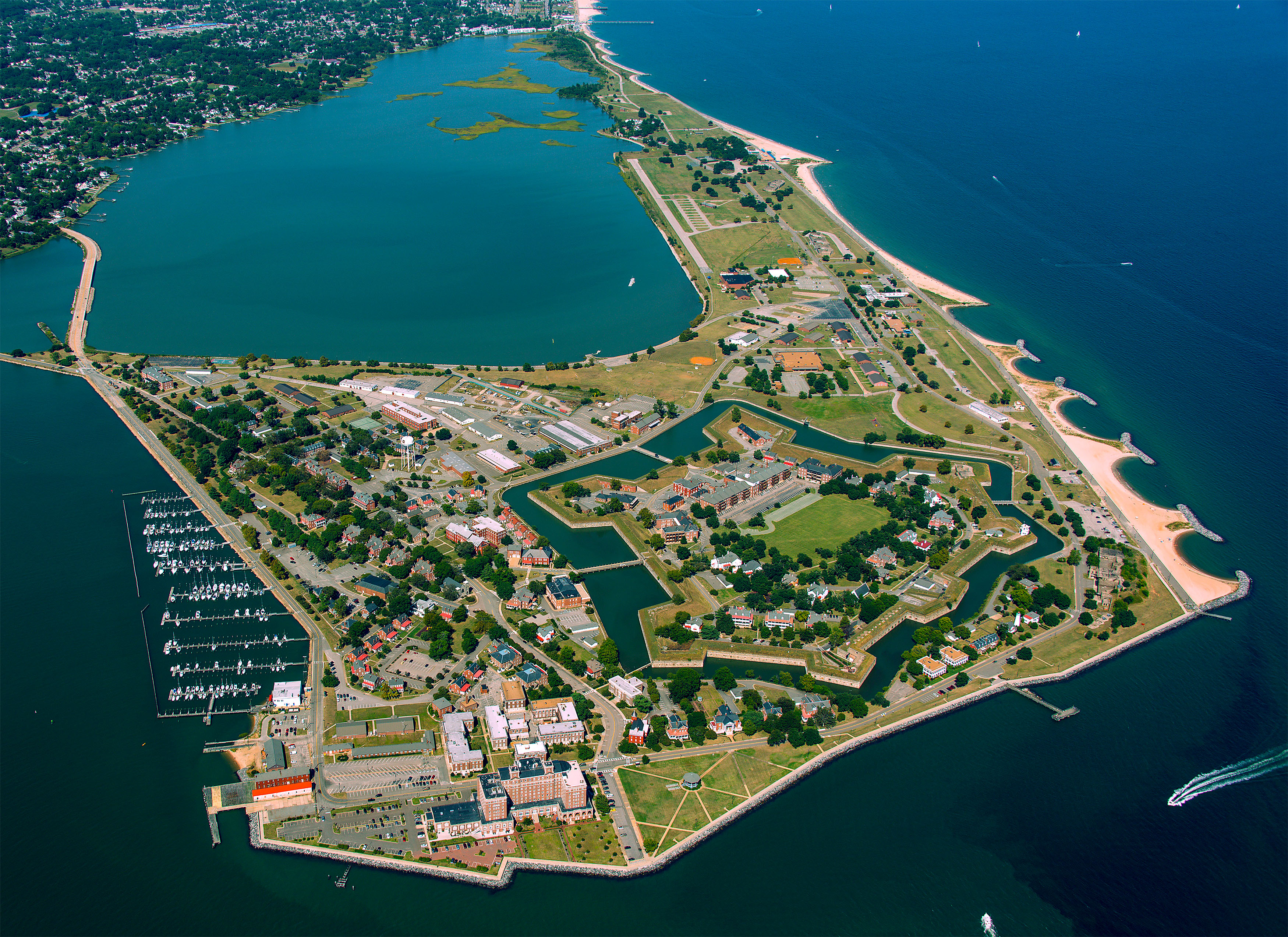
Fort Monroe National Monument is America's largest stone fort, its moat-surrounded walls telling the story of over 400 years of American history from the first enslaved Africans' arrival in 1619 to its role as 'Freedom's Fortress' during the Civil War. Families explore massive stone casemates where escaped slaves found refuge, walk along pristine Chesapeake Bay beaches, and discover how this strategic peninsula shaped our nation's destiny. The fort's unique designation as both a national monument and active community creates an authentic living history experience, with historic buildings still serving as residences and the Casemate Museum showcasing military artifacts within the original stone fortifications. What truly sets Fort Monroe apart is its dual identity as a site of both oppression and liberation, where the same walls that once defended slavery later became a beacon of freedom for those seeking escape.
Junior Ranger Program at Fort Monroe National Monument
The Junior Ranger program at Fort Monroe engages kids with interactive activities that bring Civil War history to life through scavenger hunts, historical demonstrations, and hands-on learning experiences. Young rangers explore the massive stone fortifications, learn about the Underground Railroad, and discover how this fort served as a beacon of freedom during turbulent times in American history.
- Explore the massive stone casemates and artillery positions of America's largest fort
- Learn about the Underground Railroad and Fort Monroe's role as 'Freedom's Fortress'
- Enjoy beach activities and wildlife watching along the Chesapeake Bay shoreline
Program Details
Best Ages for Fort Monroe National Monument
Ages 5–8
Younger children absolutely love exploring the massive stone walls and imagining life inside a real fort, though some historical concepts may need parent explanation. The visitor center's 15-minute film provides a perfect introduction, and the beach areas offer great breaks between learning activities.
Ages 9–12
This age group truly engages with the complex history of freedom and slavery that makes Fort Monroe unique among national parks. Kids this age can grasp the powerful transformation from a site that received enslaved people to one that became their refuge during the Civil War.
Ages 13+
Teens and adults find the deep historical connections fascinating, especially understanding how the same fortification served vastly different purposes throughout American history. The program challenges older participants to think critically about the fort's role in shaping our nation's ongoing story of freedom and justice.
Planning Your Visit
Getting There
Exit I-64 at exit 268 toward Fort Monroe, following South Mallory Street to East Mellen Street across the bridge. The visitor center parking lot accommodates larger vehicles, and street parking along Ingalls Road provides additional options during busy periods.
Van & RV Notes
The main visitor center lot handles our Sprinter comfortably, but historic fort roads have weight restrictions requiring foot exploration once parked. No camping is available on-site, so families typically stay at nearby Hampton or Virginia Beach campgrounds about 15-30 minutes away.
Best Time to Visit
April through October offers the most comfortable weather for combining indoor museum visits with outdoor fort exploration and beach time. Summer provides warm beach weather but can reach 100°F, while spring and fall offer cooler temperatures ideal for walking tours with fewer crowds.
How Long to Spend
Plan a full day to truly appreciate both the historical significance and recreational opportunities, allowing time for the visitor center, museum, walking tour, and beach exploration. Families often split their visit across morning historical activities and afternoon beach time.
Don't Miss
Walk through the sally port entrance where enslaved people first sought freedom during the Civil War, creating a powerful moment for families to discuss this pivotal chapter in American history. The view from the fort's ramparts across the Chesapeake Bay offers the same strategic perspective that made this location so important for over four centuries.
Fun Facts for Kids
Fort Monroe's walls are surrounded by a genuine medieval-style moat that still fills with water today
This is where the first enslaved Africans arrived in English North America in 1619, beginning a 400-year story still unfolding
During the Civil War, the fort earned the nickname 'Freedom's Fortress' when thousands of escaped slaves found safety within its walls
The fort remained an active military base until 2011, making it one of the longest continuously operated military installations in U.S. history
Plan Your Stay
Save on park entry with the America the Beautiful Pass — $80 for unlimited access to all 400+ National Park sites for a full year.
Where to Stay
Some of the links above are affiliate links. If you book through them, we may earn a small commission at no extra cost to you.
Nearby Parks to Earn More Badges
Historic Jamestowne Part of Colonial National Historical Park
Historic Jamestowne offers families the chance to explore America's first permanent English settlement where colonists and Powhatan Indians first encountered each other in 1607
Richmond National Battlefield Park
Richmond National Battlefield Park provides multiple Civil War battlefields where families can walk the same grounds where the fate of the nation was decided
Yorktown Battlefield Part of Colonial National Historical Park
Yorktown Battlefield lets kids experience the final major battle of the Revolutionary War through battlefield walks and living history demonstrations
See all Junior Ranger badges
Track your family's progress across every National Park Service site
View Badge Tracker