
George Washington Carver National Monument
George Washington Carver National Monument sits on the exact farm where Carver was born around 1864, making it one of the few national parks dedicated to an African American scientist's birthplace. The 240-acre site preserves both prairie and woodland ecosystems that young Carver explored as he developed his legendary "plant doctor" skills, treating sick plants for neighbors. Families walk the same trails where Carver collected specimens, with the restored tallgrass prairie showcasing over 200 native plant species he would have studied. The Moses Carver Family Cemetery on the property reminds visitors that this working farm shaped one of America's most influential agricultural innovators.
Junior Ranger Program at George Washington Carver National Monument
The Junior Ranger program here focuses on Carver's love of nature and scientific discovery, with activities that encourage kids to explore the restored prairie, identify native plants, and conduct simple experiments. Young visitors complete age-appropriate booklets while hiking the Discovery Trail and visiting the museum to learn about Carver's incredible journey from slavery to becoming one of America's most respected scientists.
- Walk the same prairie paths where young George explored and developed his love of plants
- Hands-on activities featuring Carver's agricultural innovations and scientific methods
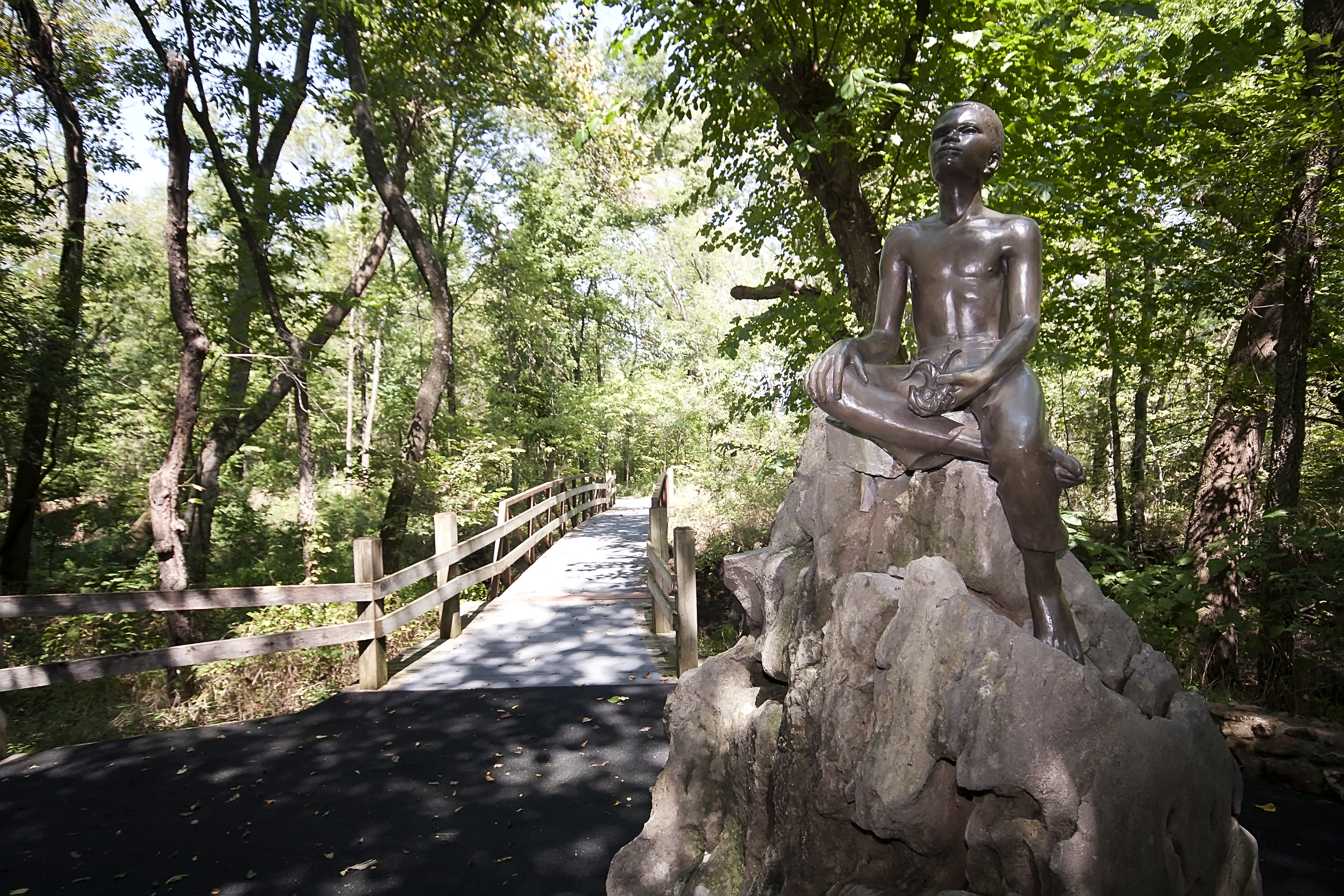
- Statue and memorial site perfect for family photos and reflection
Program Details
Download Junior Ranger Booklet
Get a head start! Download and print the booklet before your visit.
Source: NPS Junior Ranger Program Page
Our Earned Badges
Best Ages for George Washington Carver National Monument
Ages 5–7
The Plant Doctor booklet perfectly matches this age group's curiosity about nature and simple scientific concepts. Young kids love identifying plants along the trails just like Carver did, and the quarter-mile Contemplative Loop Trail with its quote stones keeps their attention without overwhelming them.
Ages 8+
The Scientist booklet challenges older kids with more complex activities about Carver's agricultural innovations and scientific methods. This age group truly connects with the museum exhibits showing Carver's actual artwork and scientific tools, understanding how his childhood observations led to groundbreaking discoveries.
Ages 8+
Teens and adults using The Scientist booklet appreciate the deeper exploration of Carver's impact on sustainable agriculture and his role in American history. The program encourages critical thinking about environmental conservation and social justice themes that resonate with older participants.
Planning Your Visit
Getting There
The visitor center parking area easily accommodates large RVs and vans with no size restrictions mentioned. From Interstate 44, take either Interstate 49 (exit 35) or Highway 59 through Diamond, both leading to Highway V and then Carver Road to reach the park entrance.
Van & RV Notes
The spacious parking area works well for Sprinter vans and larger RVs, with concrete accessible routes throughout the main areas. No overnight camping is available on-site, but the park's compact size makes it an easy day trip addition to longer van life routes through Missouri.
Best Time to Visit
Spring through fall offers the most comfortable weather for the outdoor trails, with wildflowers blooming April through October along the Discovery Trail. Summer can reach 100 degrees with high humidity, while winter temperatures drop to freezing, though all indoor exhibits remain accessible year-round.
How Long to Spend
Plan a half-day visit to complete the Junior Ranger program and explore both trails comfortably. The compact park size makes it perfect for combining with nearby Wilson's Creek National Battlefield for a full day of Missouri history.
Don't Miss
The bronze statue of young George Washington Carver along the Carver Trail marks the exact spot where he likely played as a child, creating a powerful connection to his story. The museum's display of Carver's original artwork and poetry reveals his creative side that many families don't expect from the famous scientist.
Fun Facts for Kids
George Washington Carver created over 300 products from peanuts, but he never actually invented peanut butter
The tallgrass prairie here contains the same native plants Carver studied as a child, including compass plants whose leaves point north-south
Carver was the first African American student at Iowa State University, where he later became the first African American faculty member
The Moses Carver house foundation visible on the trails is where young George lived after being orphaned during the Civil War
Plan Your Stay
Save on park entry with the America the Beautiful Pass — $80 for unlimited access to all 400+ National Park sites for a full year.
Where to Stay
Some of the links above are affiliate links. If you book through them, we may earn a small commission at no extra cost to you.
Nearby Parks to Earn More Badges
George Washington Carver NM (Pin)
Wilson's Creek National Battlefield preserves the site of the first major Civil War battle west of the Mississippi River, with a driving tour perfect for families learning about Missouri's role in the conflict.
Pea Ridge National Military Park
Pea Ridge National Military Park in Arkansas offers Junior Rangers the chance to explore the largest Civil War battlefield west of the Mississippi, with well-preserved earthworks and a comprehensive museum.
Wilson's Creek National Battlefield
George Washington Carver National Monument provides an intimate look at the scientist's childhood home and the natural landscapes that inspired his agricultural innovations.
Our Adventures at George Washington Carver National Monument
See all Junior Ranger badges
Track your family's progress across every National Park Service site
View Badge Tracker