
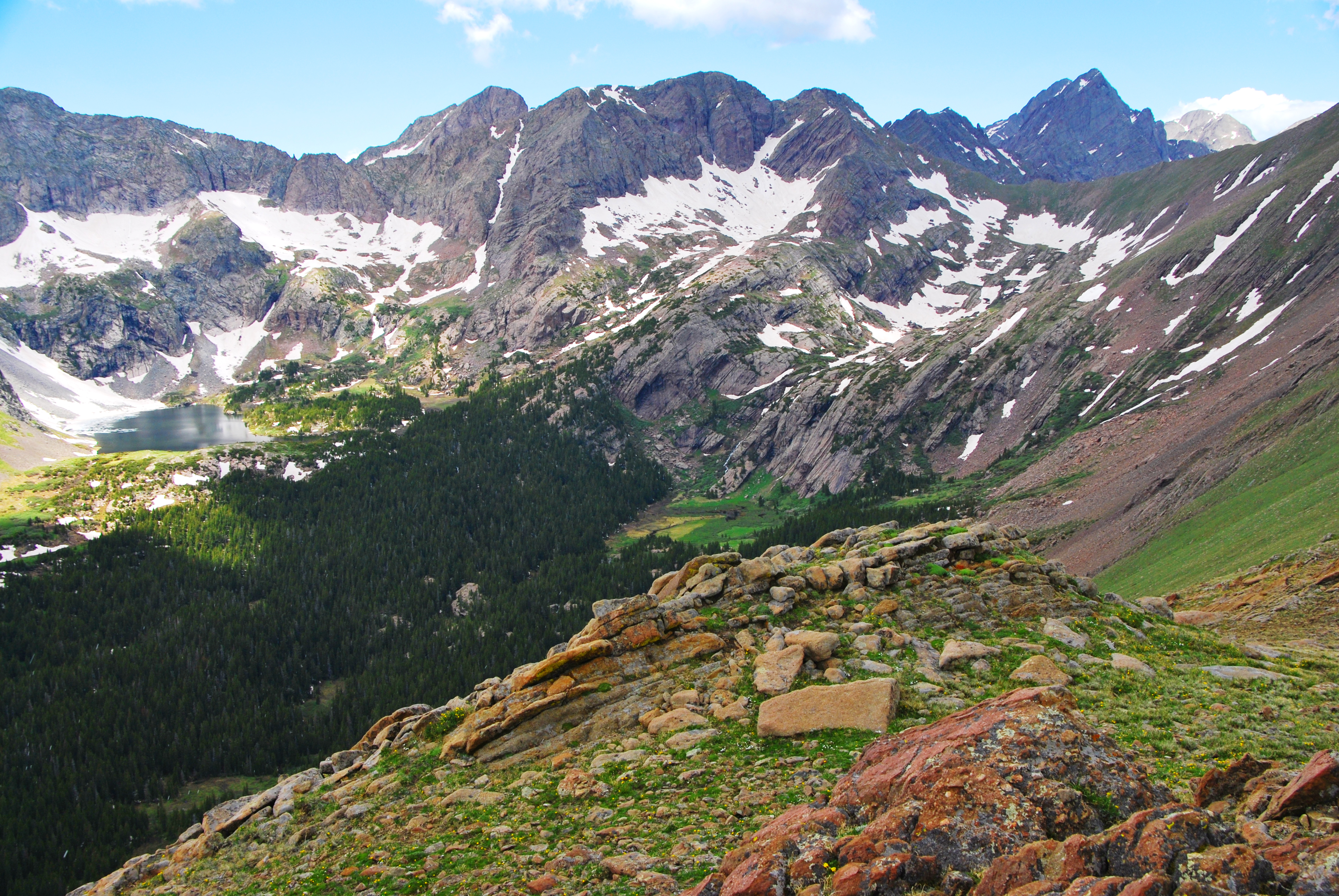
Great Sand Dunes National Park & Preserve
Great Sand Dunes National Park & Preserve protects North America's tallest sand dunes, rising 750 feet above the San Luis Valley floor. These massive dunes formed over 440,000 years as sand grains from the Sangre de Cristo Mountains were trapped by opposing winds and the seasonal Medano Creek. Families can sandboard down High Dune, splash in the seasonal creek that flows around the dunefield's base, and explore five distinct ecosystems from desert dunes to alpine tundra above 13,000 feet. The park's unique geography creates a natural sand recycling system where creek waters carry sand back to rebuild the dunes each year.
Junior Ranger Program at Great Sand Dunes National Park & Preserve
The Junior Ranger program at Great Sand Dunes teaches kids about the park's incredible geology, wildlife adaptations, and the science behind how these massive dunes formed. Young explorers complete activities focused on desert ecosystems, sand movement, and conservation while earning their official Junior Ranger badge through hands-on dune exploration.
- Sand surfing and sandboarding on massive dunes
- Splashing in seasonal Medano Creek during snowmelt
- Night sky programs with incredible stargazing opportunities
Program Details
Download Junior Ranger Booklet
Get a head start! Download and print the booklet before your visit.
Source: NPS Junior Ranger Program Page
Our Earned Badge
Best Ages for Great Sand Dunes National Park & Preserve
Ages 3–6
Kids complete 4 activities marked with the kangaroo rat symbol, including the fun Dunes Bingo scavenger hunt and connect-the-dots puzzle. The booklet focuses on basic safety concepts like staying hydrated and not wandering alone, plus simple observation activities perfect for preschoolers exploring their first sand dunes.
Ages 7–9
This group completes 6 activities marked with the bear symbol, diving deeper into dune formation and wildlife adaptations. Kids learn about kangaroo rats' amazing ability to survive without drinking water and practice weather observations while exploring the massive dunefield.
Ages 10–12
These junior rangers tackle 7 activities marked with the elk symbol, including detailed habitat matching exercises and creative writing about dune formation. They explore connections between the park's five ecosystems and learn about wilderness designation and conservation challenges.
Planning Your Visit
Getting There
The park sits at the dead end of Colorado Highway 150, about 35 miles northeast of Alamosa. No reservations required — the park operates 24/7 year-round, though entrance fees are collected when the station is staffed. The main Dunes Parking Lot fills quickly on summer weekends, so arriving early morning is essential for finding spots close to the dunes.
Van & RV Notes
Pinon Flats Campground accommodates RVs up to 40 feet with no hookups, making it perfect for self-contained Sprinter vans. The campground sits at 8,200 feet elevation with stunning dune views, though sites fill quickly from May through September. Our 22-foot Sprinter fit comfortably in most sites, and the high clearance helped on the sandy access roads.
Best Time to Visit
Late May through early July offers the perfect combination of warm sand for climbing and seasonal Medano Creek flow for cooling off afterward. Summer afternoons bring intense heat (sand can reach 160°F) and thunderstorms, so plan dune exploration for early morning or evening. Winter visits provide a completely different experience with snow-dusted peaks and minimal crowds, though creek play isn't possible.
How Long to Spend
Plan a full day to experience both dune climbing and creek play, plus time for Junior Ranger activities at the visitor center. Families often underestimate how tiring sand hiking can be — even reaching the first ridge takes 45 minutes of steady climbing.
Don't Miss
Sandboarding or sand sledding down the steep slip faces provides pure joy for kids of all ages — rent boards in nearby Alamosa or bring your own sleds. The seasonal Medano Creek creates a natural water park at the dunes' base where families can float, splash, and rinse off sand from their adventures.
Fun Facts for Kids
The dunes contain sand from five different colors including pink feldspar, black magnetite, and clear quartz grains that you can see up close
Kangaroo rats living in the dunes never need to drink water — their bodies make all the water they need from the seeds they eat
Star Dune, the park's tallest dune, moves very slowly but can shift up to several feet per year depending on wind patterns
On moonless nights, the park becomes an International Dark Sky Park where you can see the Milky Way stretching overhead
Plan Your Stay
Save on park entry with the America the Beautiful Pass — $80 for unlimited access to all 400+ National Park sites for a full year.
Where to Stay
Some of the links above are affiliate links. If you book through them, we may earn a small commission at no extra cost to you.
Nearby Parks to Earn More Badges
Capulin Volcano National Monument
Curecanti National Recreation Area offers excellent fishing and boating on three reservoirs with dramatic canyon scenery perfect for water-loving families
Curecanti National Recreation Area
Florissant Fossil Beds National Monument preserves 34-million-year-old fossils including giant petrified redwood stumps that kids can walk among and touch
Florissant Fossil Beds National Monument
Capulin Volcano National Monument lets families drive to the rim of an extinct volcano and hike around the crater edge with panoramic views across four states
Our Adventures at Great Sand Dunes National Park & Preserve
See all Junior Ranger badges
Track your family's progress across every National Park Service site
View Badge Tracker