
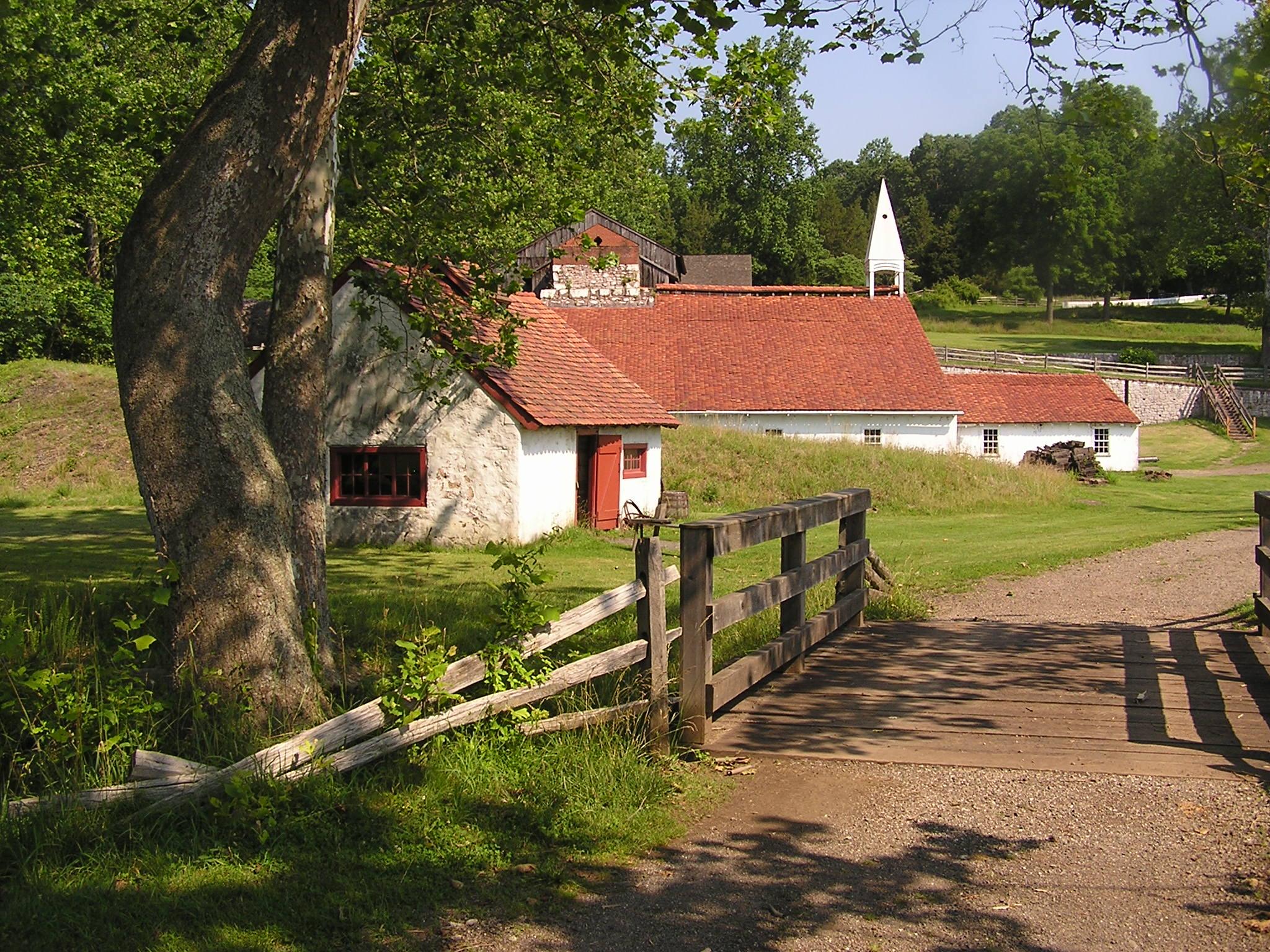
 Photo: NPS Photo
Hopewell Furnace National Historic Site preserves one of America's finest examples of a colonial-era iron plantation, where families lived and worked together to produce iron goods from 1771 to 1883. The park's 848 acres showcase the complete ironmaking process, from the massive stone blast furnace that could reach temperatures of 3,000 degrees Fahrenheit to the charcoal hearths scattered throughout the surrounding forest. Families can explore over 14 restored historic buildings, including the ironmaster's mansion, worker cottages, and the company store, while watching costumed interpreters demonstrate blacksmithing and other colonial crafts. What truly sets Hopewell apart is its preservation as a complete iron plantation community, showing how entire families depended on this dangerous but essential industry during America's early industrial revolution.
Junior Ranger Program at Hopewell Furnace National Historic Site
The Junior Ranger program at Hopewell Furnace combines history detective work with hands-on activities as kids explore the historic village and learn about colonial crafts. Young historians complete age-appropriate activities like identifying historic buildings, understanding the ironmaking process, and discovering how families lived and worked together in the 1700s.
- Watch live blacksmithing and colonial craft demonstrations
- Explore authentic historic buildings including the blast furnace and worker houses
- Learn about early American industry and daily life through interactive exhibits
Program Details
Best Ages for Hopewell Furnace National Historic Site
Ages 4–6
Young children love exploring the historic buildings and spotting the farm animals that roam the village. The short walks between buildings are manageable, and kids enjoy the hands-on demonstrations where they can touch tools and watch blacksmithing. Keep visits shorter during hot summer days since many demonstrations happen near the furnace area.
Ages 7–10
This age group thrives on the detective work aspects of understanding how the iron plantation operated as a complete community. Kids can grasp the ironmaking process and enjoy comparing colonial family life to their own experiences. The Junior Ranger activities help them connect the different buildings and understand why entire families worked together in this industry.
Ages 11+
Older kids and teens appreciate the complex social and economic history, including stories of enslaved workers and free laborers who lived at Hopewell. They can understand the dangerous working conditions and the technology that made America's early industrial growth possible. The program challenges them to think critically about how this small community connected to the larger American Revolution and early republic.
Planning Your Visit
Getting There
The park sits on PA Route 345, about 5 miles south of Birdsboro, with clear signage from major highways. The visitor center parking area accommodates larger vehicles including Sprinter vans without difficulty. No reservations needed for most visits, though special events may require advance planning.
Van & RV Notes
The visitor center parking lot works well for Sprinter vans and similar sized RVs, with level ground and easy access. French Creek State Park next door offers camping with hookups if you're planning an extended stay in the area. The historic village trails are paved or well-maintained gravel, perfect for families with strollers or mobility needs.
Best Time to Visit
April through October offers the best experience when living history demonstrations are most active and weather allows comfortable outdoor exploration. Summer brings the most programming but also crowds and heat near the furnace demonstrations. Early fall provides beautiful foliage and cooler temperatures for walking the village trails.
How Long to Spend
Plan a full morning or afternoon, typically 3-4 hours, to properly explore the historic village and complete Junior Ranger activities. The compact size makes it manageable for families, but there's enough depth to warrant taking your time with demonstrations and exhibits.
Don't Miss
The blacksmithing demonstrations at the working forge truly bring the iron plantation to life, with sparks flying and the ring of hammer on anvil echoing across the village. Kids absolutely love exploring the ironmaster's mansion to see how the wealthy family lived compared to the worker cottages, creating vivid contrasts that make colonial social structure tangible for young minds.
Fun Facts for Kids
The blast furnace at Hopewell could produce about 20 tons of iron per week when fully operational, requiring massive amounts of charcoal made from local forests
Iron plantation workers included enslaved people, indentured servants, and free laborers all living together in the same small community
The ironmaster's mansion had luxuries like imported wallpaper and fine furniture while workers lived in simple one-room cottages
Hopewell iron was used to make everything from farming tools to cannons during the American Revolution, helping supply George Washington's Continental Army
Plan Your Stay
Save on park entry with the America the Beautiful Pass — $80 for unlimited access to all 400+ National Park sites for a full year.
Where to Stay
Some of the links above are affiliate links. If you book through them, we may earn a small commission at no extra cost to you.
Nearby Parks to Earn More Badges
Edgar Allan Poe National Historic Site
Edgar Allan Poe National Historic Site in Philadelphia preserves the home where America's master of mystery wrote some of his most famous tales, perfect for families with budding writers.
First State National Historical Park
First State National Historical Park celebrates Delaware's role as the first state to ratify the Constitution, with colonial sites and beautiful riverside walks.
Valley Forge National Historical Park
Valley Forge National Historical Park offers the chance to walk where Washington's Continental Army endured their famous winter encampment, with extensive trails and powerful Revolutionary War stories.
See all Junior Ranger badges
Track your family's progress across every National Park Service site
View Badge Tracker