
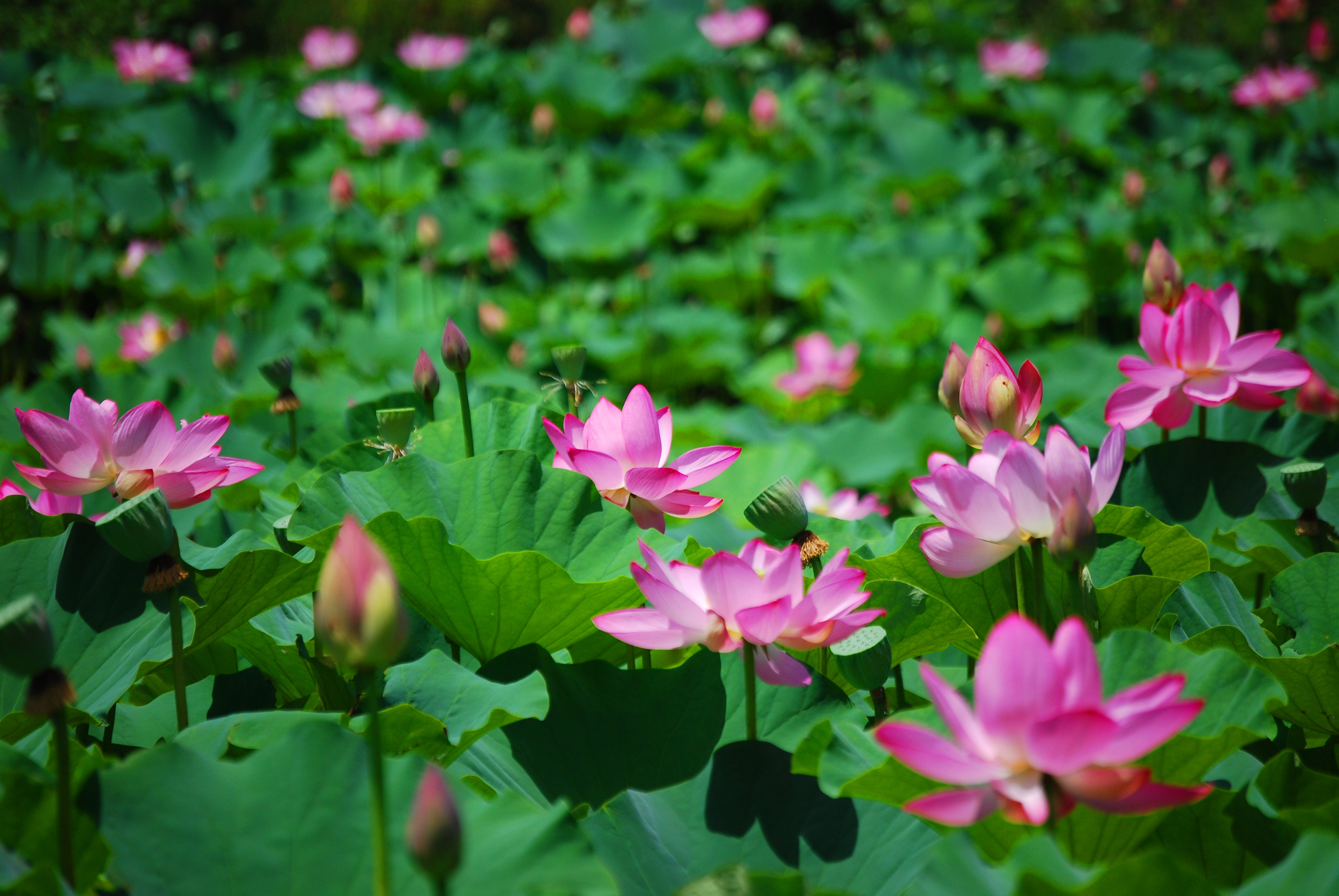
 Photo: NPS Photo/Miguel A. Marquez
Kenilworth Park & Aquatic Gardens protects one of the last remaining tidal wetlands in Washington DC, where the Anacostia River creates a unique freshwater marsh ecosystem just miles from the Capitol. Families can explore over 40 ponds filled with rare water lilies and spectacular lotus flowers, some varieties dating back to the park's origins as Shaw's Water Garden in 1880. The park features elevated boardwalks and trails that wind through cattail marshes where beavers build lodges and over 240 bird species have been spotted. What makes Kenilworth truly special is its contrast — this peaceful wetland oasis exists within earshot of urban traffic, offering families an authentic nature experience without leaving the nation's capital.
Junior Ranger Program at Kenilworth Park & Aquatic Gardens
The Junior Ranger program at Kenilworth introduces kids to wetland ecosystems through hands-on activities like pond exploration, wildlife identification, and learning about aquatic plant life cycles. Young rangers complete fun challenges focused on water conservation, habitat protection, and discovering the fascinating creatures that call these wetlands home.
- Spotting great blue herons, turtles, and frogs in their natural habitat
- Walking the elevated boardwalks through blooming lotus and lily ponds
- Learning about Native American uses of wetland plants through interactive exhibits
Program Details
Best Ages for Kenilworth Park & Aquatic Gardens
Ages 5–7
Young children absolutely love the boardwalks where they can safely peer into ponds to spot turtles sunning on logs and colorful dragonflies hovering over lily pads. The visitor center offers simple activities that help them identify different wetland animals through fun matching games. We recommend focusing on the shorter River Trail and main garden areas since younger kids can tire quickly on the longer marsh walks.
Ages 8–12
Kids this age get excited about the hands-on pond exploration activities and learning about the fascinating life cycles of lotus flowers and water lilies. They're old enough to appreciate the conservation message and understand how wetlands filter water and provide wildlife habitat. The scavenger hunt activities work perfectly for this age group as they explore different pond sections and identify various aquatic plants.
Ages 13+
Teens and adults can dive deeper into the park's urban ecology story and learn about the complex relationship between city development and natural habitats. They'll appreciate the historical context of how this wetland survived urbanization and the ongoing restoration efforts. The program challenges older participants to think critically about environmental stewardship and water conservation in urban areas.
Planning Your Visit
Getting There
The park sits conveniently near Interstate 295 with free parking at the main visitor center lot. Families can also arrive via Metro — the Deanwood Orange Line station is just half a mile away, making this one of the most accessible national park sites for car-free families. No reservations needed, but check current hours since the park occasionally closes for special events.
Van & RV Notes
The main visitor center parking area easily accommodates Sprinter vans and larger RVs with plenty of maneuvering room. No overnight camping is available here, but nearby campgrounds in the DC area can serve as base camps. The paved paths and boardwalks make the park fully accessible for families traveling with mobility equipment.
Best Time to Visit
Visit during lotus blooming season from late June through August for the most spectacular displays, though expect larger crowds and bring mosquito repellent. Spring offers excellent bird watching as migratory species return, while fall provides comfortable temperatures and fewer bugs. Winter visits can be surprisingly peaceful with interesting ice formations, though some boardwalks may be closed depending on conditions.
How Long to Spend
Most families spend 2-3 hours here, which allows time to complete the Junior Ranger activities while walking the main trails and enjoying the gardens at a relaxed pace.
Don't Miss
The spectacular lotus blooms in summer create magical photo opportunities that kids will treasure, especially the pink and white Sacred Lotus flowers that rise dramatically above the water. Families consistently love spotting the beaver lodges along the River Trail — these impressive stick structures showcase nature's engineering skills and often spark fascinating conversations about wildlife adaptation.
Fun Facts for Kids
The park's lotus flowers can live for over 1,000 years, and their seeds can germinate after being dormant for centuries
Beavers returned to the Anacostia River here in 2000 after being absent from DC waterways for over 200 years
Some of the water lily varieties in the park are descendants of plants from the original Shaw's Water Garden that opened in 1880
Over 240 bird species have been spotted at the park, making it one of DC's premier birding locations despite covering just 700 acres
Plan Your Stay
Save on park entry with the America the Beautiful Pass — $80 for unlimited access to all 400+ National Park sites for a full year.
Where to Stay
Some of the links above are affiliate links. If you book through them, we may earn a small commission at no extra cost to you.
Nearby Parks to Earn More Badges
Ford's Theatre National Historic Site
Ford's Theatre National Historic Site offers families the chance to explore the actual theater where President Lincoln was shot and learn about that pivotal night in American history
Frederick Douglass National Historic Site
Frederick Douglass National Historic Site preserves the Cedar Hill home where the famous abolitionist lived, providing powerful insights into his later life and continuing fight for civil rights
National Mall and Memorial Parks
National Mall and Memorial Parks encompasses the iconic monuments and memorials that define Washington DC, perfect for combining with Kenilworth for a full day of diverse park experiences
See all Junior Ranger badges
Track your family's progress across every National Park Service site
View Badge Tracker