
Knife River Indian Villages National Historic Site
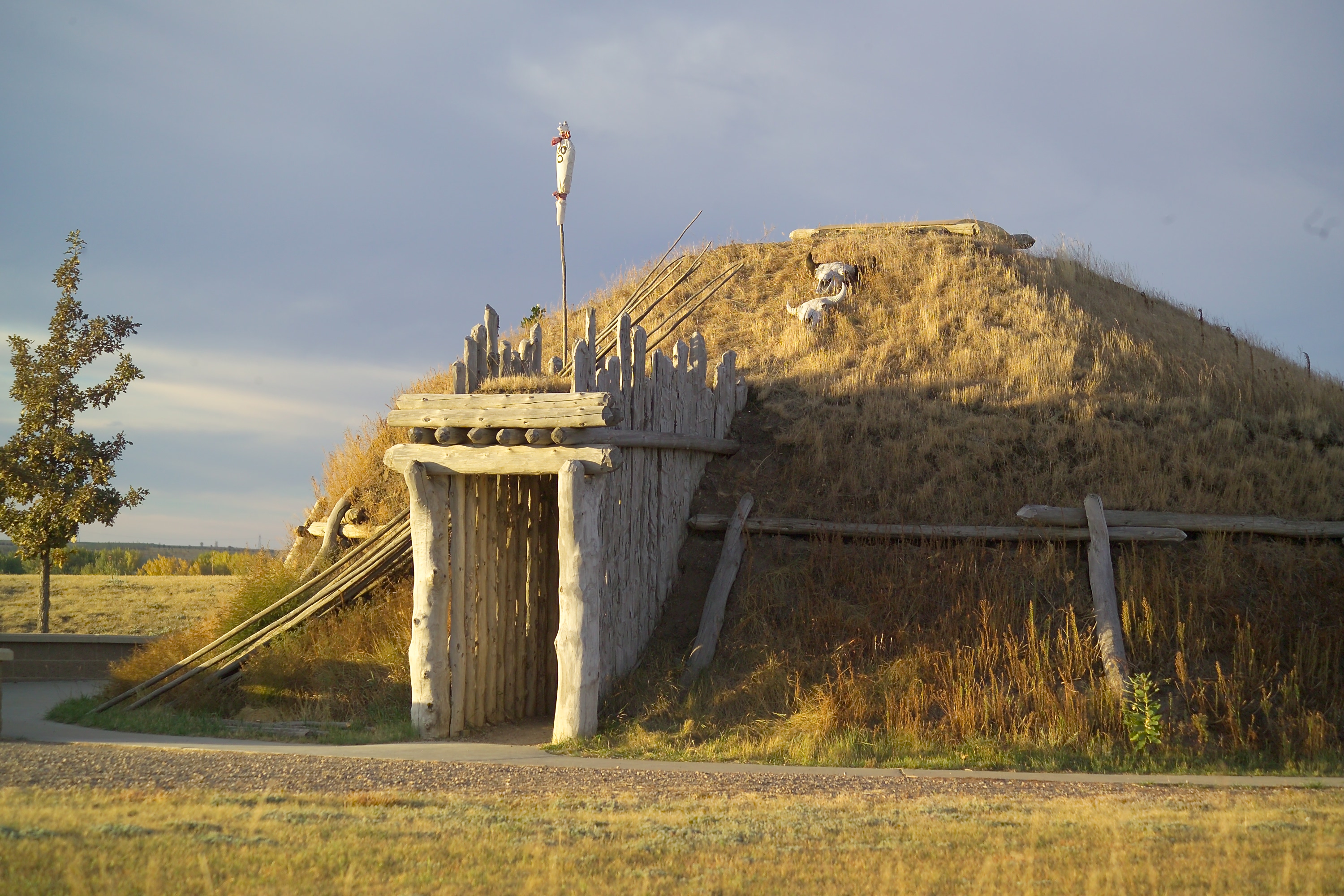
Knife River Indian Villages preserves the archaeological remains of three major Hidatsa and Mandan villages that flourished for over 500 years at the confluence of the Knife and Missouri rivers. Families can explore reconstructed earth lodges that once housed extended families of up to 40 people, walk through the actual village sites where Sacagawea lived before joining Lewis and Clark, and discover how these agricultural communities became the largest trade center on the northern Great Plains. The park's Village Trail leads families through the Awatixa Xi'e Village and Awatixa Village sites, where depressions in the earth still mark where earth lodges once stood. What makes this site truly special is its role as both an active archaeological site and a living cultural center where traditional Native American crafts and farming techniques are still demonstrated today.
Junior Ranger Program at Knife River Indian Villages National Historic Site
The Junior Ranger program at Knife River immerses kids in hands-on activities like exploring reconstructed earth lodges, learning traditional Native American games, and discovering how indigenous peoples lived along the river for centuries. Young rangers complete activity booklets while participating in cultural demonstrations and archaeological discoveries throughout the historic village sites.
- Explore authentic reconstructed earth lodges and imagine life in a Hidatsa village
- Try traditional Native American games and learn about indigenous hunting and farming techniques
- Walk the historic village trails where Lewis and Clark met Sacagawea and her people
Program Details
Our Earned Badge
Best Ages for Knife River Indian Villages National Historic Site
Ages 7–9
Young participants enjoy exploring the reconstructed earth lodge and learning about daily life in Native American villages through hands-on activities. The cultural demonstrations and traditional games help bring history to life for this age group. The walking portions are manageable, though families should plan for breaks along the 1.3-mile Village Trail.
Ages 10–12
This age group truly connects with the archaeological aspects of the site and understanding how the Hidatsa and Mandan people adapted to river life. They appreciate learning about Sacagawea's connection to the villages and can handle more complex concepts about trade relationships and cultural exchange. The booklet activities engage their growing ability to analyze historical evidence and make connections.
Ages 13+
Teens and adults find the site's role as a major trade center fascinating, especially understanding how it connected cultures from the Rocky Mountains to the Great Lakes. They can appreciate the complex agricultural techniques and the sophisticated society that developed here over centuries. The program challenges them to think critically about cultural preservation and the ongoing archaeological research happening at the site.
Planning Your Visit
Getting There
The visitor center is located just half a mile north of Stanton, North Dakota, on County Road 37, about an hour northwest of Bismarck. Parking at the visitor center easily accommodates larger vehicles including tour buses and RVs. No reservations are required, and the park grounds remain open from sunrise to sunset even when the visitor center is closed.
Van & RV Notes
The visitor center parking area provides level parking with excellent access for high-roof vans like our Sprinter and larger RVs without size restrictions mentioned. While there's no on-site camping, several RV-friendly campgrounds are available in the Bismarck area about an hour away. The facility offers convenient restroom access and climate-controlled comfort for families.
Best Time to Visit
May through September offers the best weather for outdoor exploration, with warm temperatures perfect for walking the Village Trail and participating in outdoor cultural demonstrations. Summer months can occasionally reach 100°F with afternoon thunderstorms, so morning visits work well for families. Winter visits are possible but focus more on indoor exhibits, as North Dakota winters can be extremely cold with temperatures dropping to -35°F.
How Long to Spend
Plan a half-day visit to fully experience the Junior Ranger program, walk the Village Trail, and participate in cultural demonstrations. The combination of indoor exhibits and outdoor village exploration provides a perfect pace for families without feeling rushed.
Don't Miss
Families absolutely love exploring the reconstructed earth lodge, where kids can experience the cozy interior space and imagine family life centuries ago. The cultural demonstrations of traditional crafts, games, and farming techniques bring the site to life in ways that truly engage children and help them understand how indigenous peoples thrived in this river valley environment.
Fun Facts for Kids
Sacagawea lived in one of these villages before joining the Lewis and Clark expedition as their guide
Earth lodges could house up to 40 people from extended families and stayed warm even in harsh North Dakota winters
These villages were located at the center of a vast trade network that connected tribes from the Rocky Mountains to the Great Lakes
The Hidatsa and Mandan people grew corn, beans, and squash in the fertile river valley, making them some of the most successful farmers on the Great Plains
Plan Your Stay
Save on park entry with the America the Beautiful Pass — $80 for unlimited access to all 400+ National Park sites for a full year.
Where to Stay
Some of the links above are affiliate links. If you book through them, we may earn a small commission at no extra cost to you.
Nearby Parks to Earn More Badges
Fort Union Trading Post National Historic Site
Minuteman Missile National Historic Site offers families a fascinating Cold War experience with actual missile silos and launch facilities just a few hours south.
Minuteman Missile National Historic Site
Theodore Roosevelt National Park showcases the rugged Badlands landscape that shaped our 26th president, with excellent wildlife viewing and hiking opportunities.
Theodore Roosevelt National Park
Fort Union Trading Post National Historic Site recreates the bustling fur trade era where Native Americans and European traders met for commerce along the Missouri River.
Our Adventures at Knife River Indian Villages National Historic Site
See all Junior Ranger badges
Track your family's progress across every National Park Service site
View Badge Tracker