
 Photo: NPS Photo / Paige Spencer
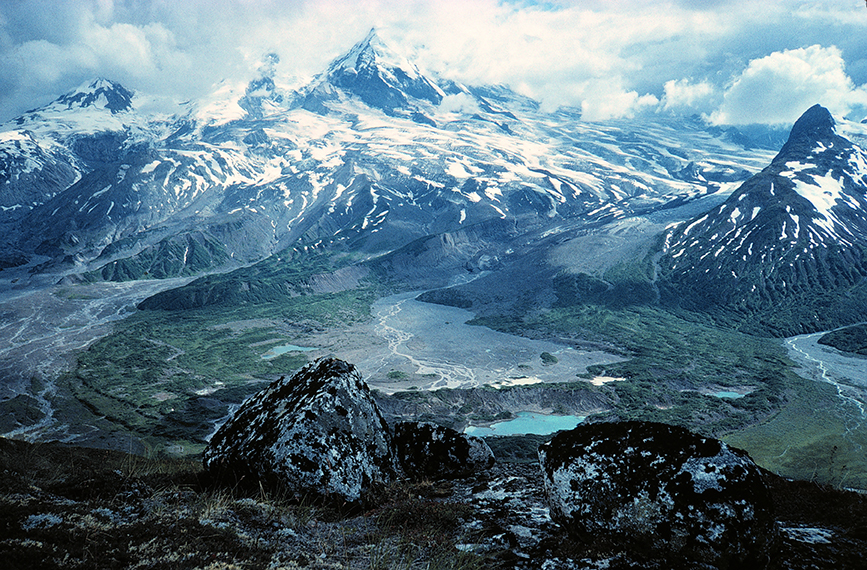
Lake Clark National Park & Preserve protects one of Alaska's most pristine wilderness areas, where active volcanoes like Mount Redoubt and Mount Iliamna create dramatic backdrops to turquoise lakes and pristine salmon runs. Families discover an untouched landscape where brown bears fish for sockeye salmon along remote coastlines, and the Kvichak watershed supports one of the world's most productive salmon spawning grounds. The park's dual climate zones create unique ecosystems, from the wet coastal regions to the drier interior valleys. Unlike other Alaskan parks, Lake Clark offers intimate wildlife viewing experiences without crowds, accessible only by small aircraft that land directly on pristine lakes and beaches.
Junior Ranger Program at Lake Clark National Park & Preserve
The Junior Ranger program at Lake Clark focuses on wilderness safety, wildlife conservation, and volcanic geology through hands-on activities and ranger-led programs. Kids learn essential bear safety skills, discover how volcanoes shape the landscape, and explore the connections between salmon, bears, and the ecosystem.
- Learn bear safety and wildlife viewing etiquette from park rangers
- Explore active volcanoes and understand geological processes
- Discover how salmon runs support the entire ecosystem
Program Details
Download Junior Ranger Booklet
Get a head start! Download and print the booklet before your visit.
Source: NPS Junior Ranger Program Page
Best Ages for Lake Clark National Park & Preserve
Ages 4–8
Young children love learning basic bear safety rules and discovering how salmon travel from the ocean to spawning grounds. The hands-on activities help kids understand why clean water matters for fish and bears, while simple geology lessons explain how volcanoes created the lakes they see from the plane.
Ages 8–12
This age group truly engages with the ecosystem connections between salmon, bears, and indigenous cultures that depend on both. Kids enjoy learning about volcanic geology and how different climate zones within the park create diverse habitats. The program challenges them to think about wilderness conservation and their role as future stewards.
Ages 13+
Teens and adults appreciate the cultural history lessons about Dena'ina Athabascan traditions and commercial fishing heritage. The program explores complex topics like climate change impacts on salmon runs and the balance between subsistence use and conservation. Many families find the wilderness safety and Leave No Trace principles particularly valuable for their Alaska adventures.
Planning Your Visit
Getting There
Lake Clark requires chartered flights from Anchorage, Kenai, or Homer - typically 1-2 hours depending on destination within the park. Fixed-wing aircraft can land on suitable lakes, rivers, beaches, and gravel bars throughout the park and preserve. No entrance fees, but flight costs vary significantly by operator and destination.
Van & RV Notes
Park your Sprinter in Anchorage and arrange fly-in camping or day trips, as the park has no road access. Remote base camping requires careful planning with your charter pilot for gear transport and pickup logistics. Public use cabins offer rustic overnight options for families wanting a true wilderness experience.
Best Time to Visit
June through August provides the warmest weather and best flight conditions, with July offering peak salmon runs for wildlife viewing. September brings beautiful fall colors but unpredictable weather that can strand visitors. Ice conditions from November to April require ski-equipped planes, limiting access for most families.
How Long to Spend
Most families plan day trips from Anchorage for bear viewing and fishing, though multi-day camping trips offer deeper wilderness experiences. The remote nature means every visit feels substantial, even short excursions to places like Tanalian Falls.
Don't Miss
Fly-in bear viewing along the West Cook Inlet coast during salmon runs creates unforgettable wildlife memories families treasure forever. The Port Alsworth Visitor Center and its exhibits about salmon sustainability provide essential context that makes the wilderness experience more meaningful for kids.
Fun Facts for Kids
Lake Clark's lakes typically freeze in November and don't melt until April, determining whether planes need floats or skis to land
The Kvichak watershed, fed by Lake Clark, produces some of the world's most productive sockeye salmon spawning grounds
The park protects the last best example of a traditional Dena'ina Athabascan fish cache in the Lake Clark-Iliamna region
Mount Redoubt and Mount Iliamna are active volcanoes that continue shaping the landscape families see today
Plan Your Stay
Save on park entry with the America the Beautiful Pass — $80 for unlimited access to all 400+ National Park sites for a full year.
Where to Stay
Some of the links above are affiliate links. If you book through them, we may earn a small commission at no extra cost to you.
Nearby Parks to Earn More Badges
Denali National Park & Preserve
Denali National Park & Preserve offers families the chance to see North America's tallest peak while spotting caribou, wolves, and grizzly bears along the park road.
Katmai National Park & Preserve
Katmai National Park & Preserve provides world-famous bear viewing at Brooks Falls, where families watch brown bears catch jumping salmon during summer runs.
Kenai Fjords National Park
Kenai Fjords National Park features dramatic tidewater glaciers and abundant marine wildlife accessible by boat tours from the charming town of Seward.
See all Junior Ranger badges
Track your family's progress across every National Park Service site
View Badge Tracker