
 Photo: NPS photo
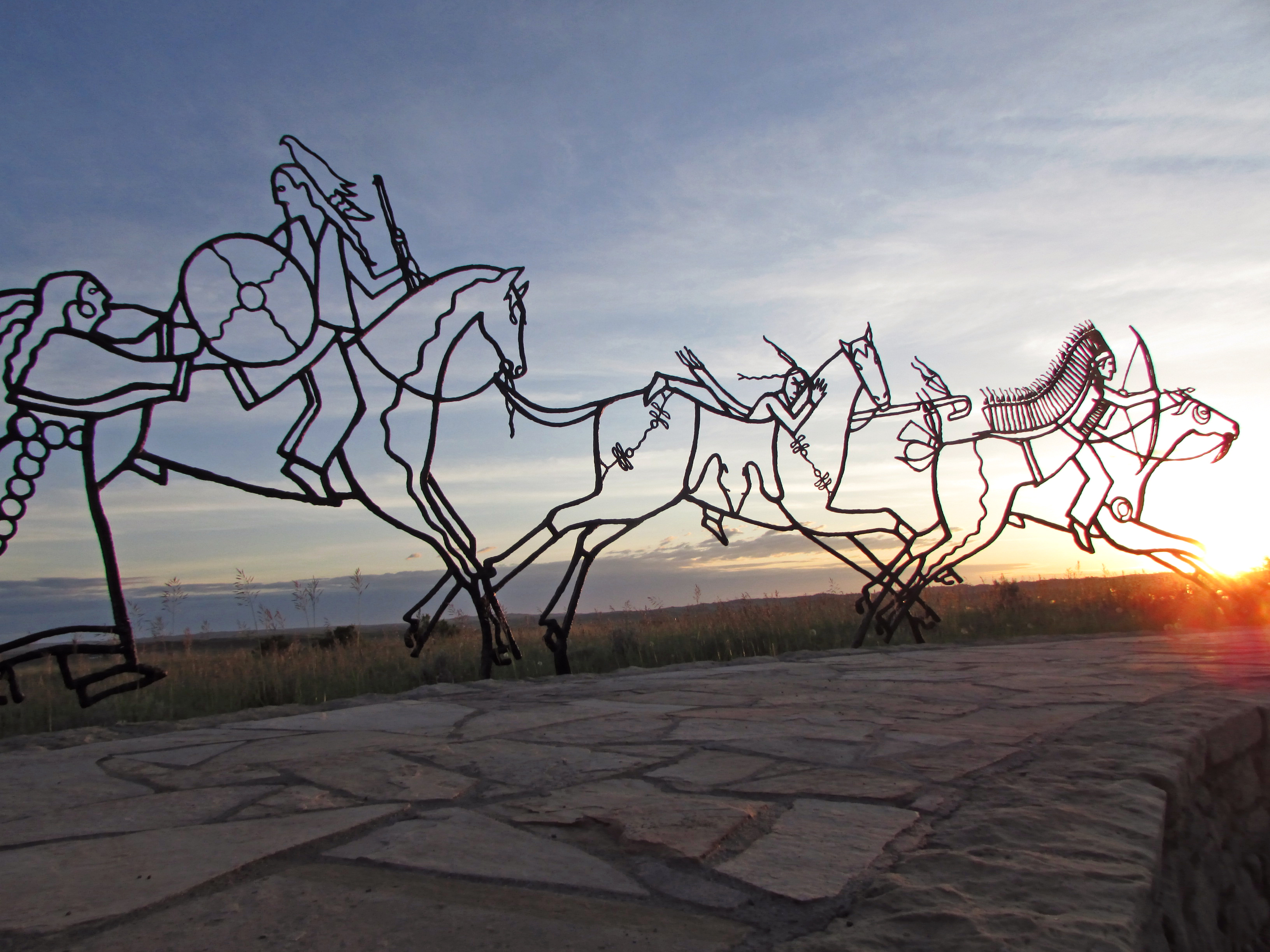
Little Bighorn Battlefield National Monument preserves 765 acres of rolling Montana prairie where the famous 1876 battle unfolded along the Little Bighorn River, known to Native Americans as the Greasy Grass. Families can walk the actual battlefield where Lakota, Northern Cheyenne, and Arapaho warriors defended their way of life against the U.S. Army's 7th Cavalry. The monument features both Last Stand Hill, where Custer and his men made their final stand, and the newer Indian Memorial honoring the Native American perspective. This sacred ground offers families a rare opportunity to explore a pivotal moment in American history from multiple viewpoints, set against the backdrop of the beautiful Montana grasslands that remain largely unchanged since 1876.
Junior Ranger Program at Little Bighorn Battlefield National Monument
The Junior Ranger program at Little Bighorn engages children in learning about both Native American culture and frontier military history through interactive activities and museum exploration. Kids complete age-appropriate activities that help them understand the perspectives of all people involved in this pivotal moment in American history, earning their official Junior Ranger badge upon completion.
- Explore the visitor center museum with authentic artifacts and exhibits
- Walk the battlefield trails where history came alive
- Learn about Plains Indian culture and traditional ways of life
Program Details
Best Ages for Little Bighorn Battlefield National Monument
Ages 4–8
Young children connect well with the animal activities, particularly learning about cottontail rabbits and horses that were important to both sides of the battle. The open prairie landscape captures their imagination, though parents should plan for shorter walking distances on the battlefield trails. The visitor center exhibits provide a comfortable indoor space for completing activities.
Ages 9–12
This age group truly engages with the multiple perspectives presented in the Junior Ranger activities, from oral histories to understanding how landscape affected the battle. They can handle the full battlefield walking tour and appreciate the complex history of the Plains Indian Wars. The activities encourage them to think critically about how we learn history from different sources.
Ages 13+
Teens and adults find the perspective-based activities particularly meaningful, especially examining how the same event is remembered differently by various communities. The virtual program options work well for this age group, allowing deeper research into the battle's lasting impact on Indigenous communities today. They can complete the full range of activities independently while exploring the monument's trails and memorials.
Planning Your Visit
Getting There
Take I-90 to Exit 510 at Crow Agency, then follow signs to the park entrance on Battlefield Tour Road. The visitor center parking lot accommodates large vehicles with level spaces and easy access to facilities. During winter months, the park operates on limited hours Friday through Sunday only.
Van & RV Notes
The visitor center parking area easily handles high-roof Sprinter vans and larger RVs with level parking and no height restrictions. No campgrounds exist within the monument, but nearby Crow Agency offers basic services. The 4.5-mile battlefield tour road is suitable for all vehicle sizes during operating seasons.
Best Time to Visit
Late spring through early fall provides the most comfortable weather for exploring outdoor sites, though winter visits offer a more contemplative experience with fewer crowds. Summer temperatures can reach 100°F, so early morning visits work best for families. The monument's winter schedule limits access to Friday-Sunday only from October through March.
How Long to Spend
Plan a half-day visit to complete Junior Ranger activities and explore the main battlefield sites including Last Stand Hill and the Indian Memorial. Families often spend 3-4 hours total between the visitor center exhibits and walking the outdoor trails.
Don't Miss
Walk to Last Stand Hill where marble markers show where soldiers fell, and visit the newer Indian Memorial that honors the Native American warriors and their perspective on the battle. The short Deep Ravine Trail offers families a chance to walk in the actual footsteps of history across the prairie grasslands.
Fun Facts for Kids
The Lakota, Cheyenne, and Arapaho called this place the Battle of Greasy Grass, named after the plants growing along the Little Bighorn River
Cottontail rabbits are among the most commonly seen animals at the monument today, living in the same prairie ecosystem that existed during the 1876 battle
The white marble markers on Last Stand Hill show the exact locations where soldiers fell, based on archaeological evidence found years after the battle
Custer National Cemetery, located within the monument, contains graves of soldiers from multiple American wars, not just the 1876 battle
Plan Your Stay
Save on park entry with the America the Beautiful Pass — $80 for unlimited access to all 400+ National Park sites for a full year.
Where to Stay
Some of the links above are affiliate links. If you book through them, we may earn a small commission at no extra cost to you.
Nearby Parks to Earn More Badges
Bighorn Canyon National Recreation Area
Bighorn Canyon National Recreation Area offers families spectacular water activities and dramatic canyon scenery just 43 miles north of Little Bighorn Battlefield.
Devils Tower National Monument
Devils Tower National Monument provides an iconic rock climbing destination and cultural site sacred to Plains tribes, located about 75 miles northeast in Wyoming.
Pompeys Pillar National Monument
Pompeys Pillar National Monument features the only remaining physical evidence of the Lewis and Clark Expedition, with William Clark's signature carved into the sandstone pillar 46 miles northwest.
See all Junior Ranger badges
Track your family's progress across every National Park Service site
View Badge Tracker