
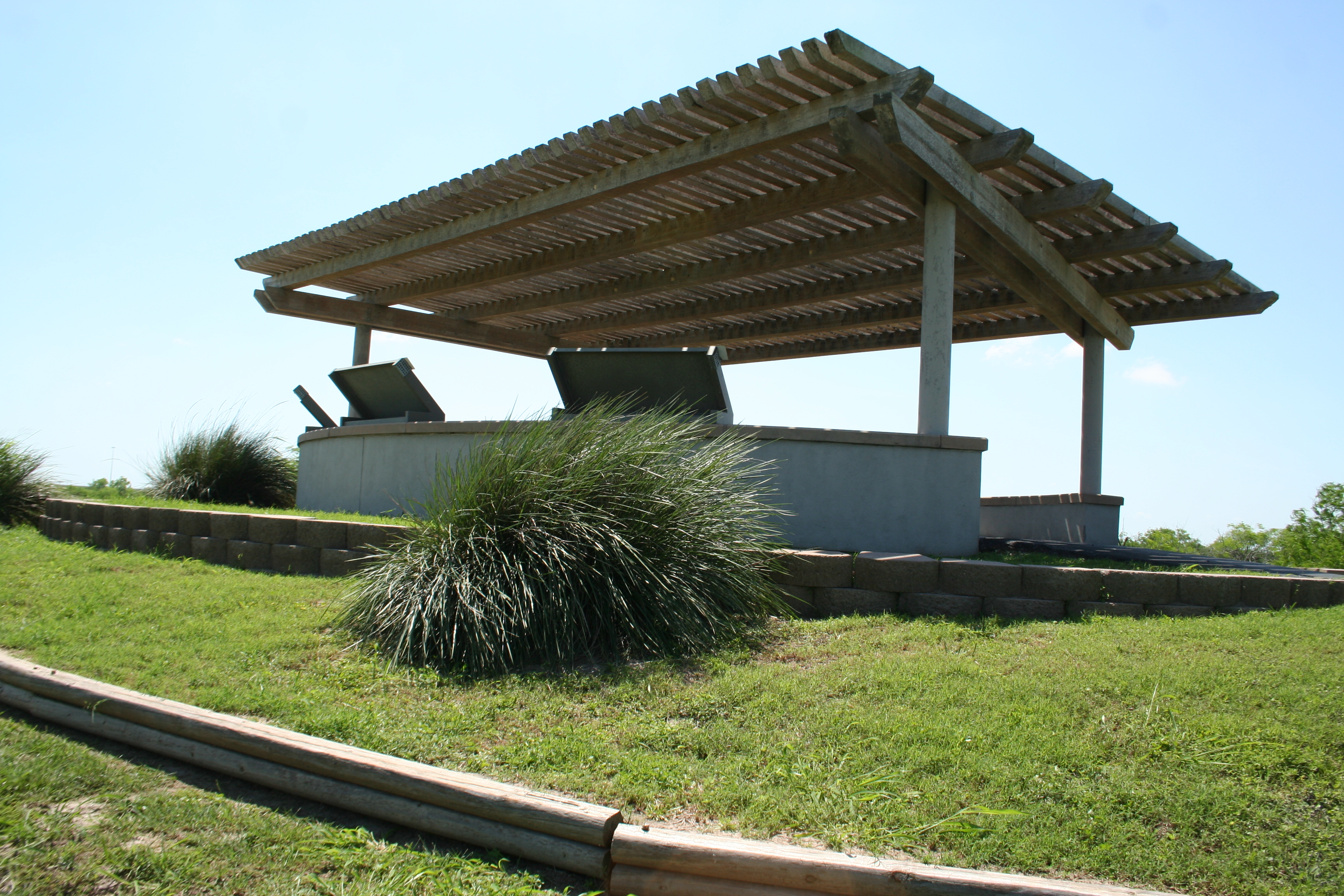
 Photo: NPS
Palo Alto Battlefield preserves the exact prairie grassland where the first major battle of the Mexican-American War erupted on May 8, 1846, with the landscape largely unchanged from what soldiers experienced nearly 180 years ago. Families can walk the half-mile battlefield trail through native coastal prairie, exploring cannon positions and learning about the innovative artillery tactics that defined this pivotal conflict. The park's unique resaca wetlands—oxbow lakes formed by the meandering Rio Grande—create an oasis for over 200 bird species in the heart of the Rio Grande Valley. Unlike other battlefield parks, Palo Alto offers bilingual interpretation that honors both American and Mexican perspectives on this complex chapter of North American history.
Junior Ranger Program at Palo Alto Battlefield National Historical Park
The Junior Ranger program at Palo Alto Battlefield engages kids with hands-on historical activities including map reading, artifact identification, and battlefield exploration. Young historians complete age-appropriate booklets while learning about 1840s military life, the diverse cultures that shaped the Rio Grande Valley, and the lasting impact of this historic conflict.
- Explore the actual battlefield where history was made in 1846
- Interactive visitor center with period artifacts and military displays
- Learn about both American and Mexican perspectives of the conflict
Program Details
Best Ages for Palo Alto Battlefield National Historical Park
Age ranges are suggested groupings — check at the visitor center for the official Junior Ranger booklet breakdown.
Ages 4–7
Young children love the short battlefield trail and spotting wildlife in the resaca wetlands. The visitor center's hands-on exhibits and 15-minute bilingual film help little ones understand the historical story without overwhelming detail.
Ages 8–12
This age group truly connects with the military strategy activities and map reading exercises in the Junior Ranger booklet. Kids enjoy exploring the artillery positions along the trail and learning about the diverse cultures that shaped the Rio Grande Valley.
Ages 13+
Teens and adults appreciate the complex historical perspectives and lasting impact discussions in the program. The battlefield's connection to westward expansion and its role in changing the map of North America resonates with older participants seeking deeper historical understanding.
Planning Your Visit
Getting There
The park sits on Brownsville's north side near Los Fresnos, just north of the intersection of FM 1847 and FM 511/550. Large parking areas easily accommodate RVs and vans with level spaces perfect for families. No reservations needed for general visiting.
Van & RV Notes
The spacious parking lot handles our 22-foot Sprinter with plenty of room to maneuver and level overnight parking if allowed. No hookups available on site, but several RV parks in nearby Brownsville offer full services. The flat terrain makes this an easy stop for larger rigs.
Best Time to Visit
October through April offers the most comfortable weather for outdoor exploration, with mild winters perfect for walking the trails. Summer visits require early morning arrival to avoid intense heat and humidity, while tropical weather systems may affect the area August through October.
How Long to Spend
Plan a half-day visit to fully experience both the visitor center exhibits and battlefield trail. Families combining this with nearby sites on the Brownsville Historic Battlefield Trail can easily fill a full day.
Don't Miss
The observation deck overlooking the resaca wetlands offers incredible bird watching opportunities and helps kids understand why these unique waterways made this area so strategically important. Walking the actual battlefield trail where soldiers marched in 1846 provides an authentic historical connection you simply can't get from books.
Fun Facts for Kids
The prairie grass at Palo Alto grows so tall it once hid entire armies—soldiers couldn't see each other until they were very close
This battle introduced new artillery tactics that changed warfare, with cannons firing explosive shells instead of just solid cannonballs
The resacas (oxbow lakes) were formed when the Rio Grande changed course, creating the wetland oasis that attracts over 200 bird species today
Both armies wore blue uniforms during the battle, making it very confusing to tell friend from foe in the heat of combat
Plan Your Stay
Save on park entry with the America the Beautiful Pass — $80 for unlimited access to all 400+ National Park sites for a full year.
Where to Stay
Some of the links above are affiliate links. If you book through them, we may earn a small commission at no extra cost to you.
Nearby Parks to Earn More Badges
Lyndon B Johnson National Historical Park
Lyndon B Johnson National Historical Park in the Texas Hill Country offers a completely different landscape and presidential history experience, perfect for families exploring Texas's diverse stories.
Padre Island National Seashore
Padre Island National Seashore provides pristine Gulf Coast beaches and sea turtle nesting sites, creating an ideal coastal contrast to the inland prairie battlefield.
San Antonio Missions National Historical Park
San Antonio Missions National Historical Park showcases four 18th-century Spanish colonial missions, extending your family's exploration of Texas's multicultural heritage.
See all Junior Ranger badges
Track your family's progress across every National Park Service site
View Badge Tracker