
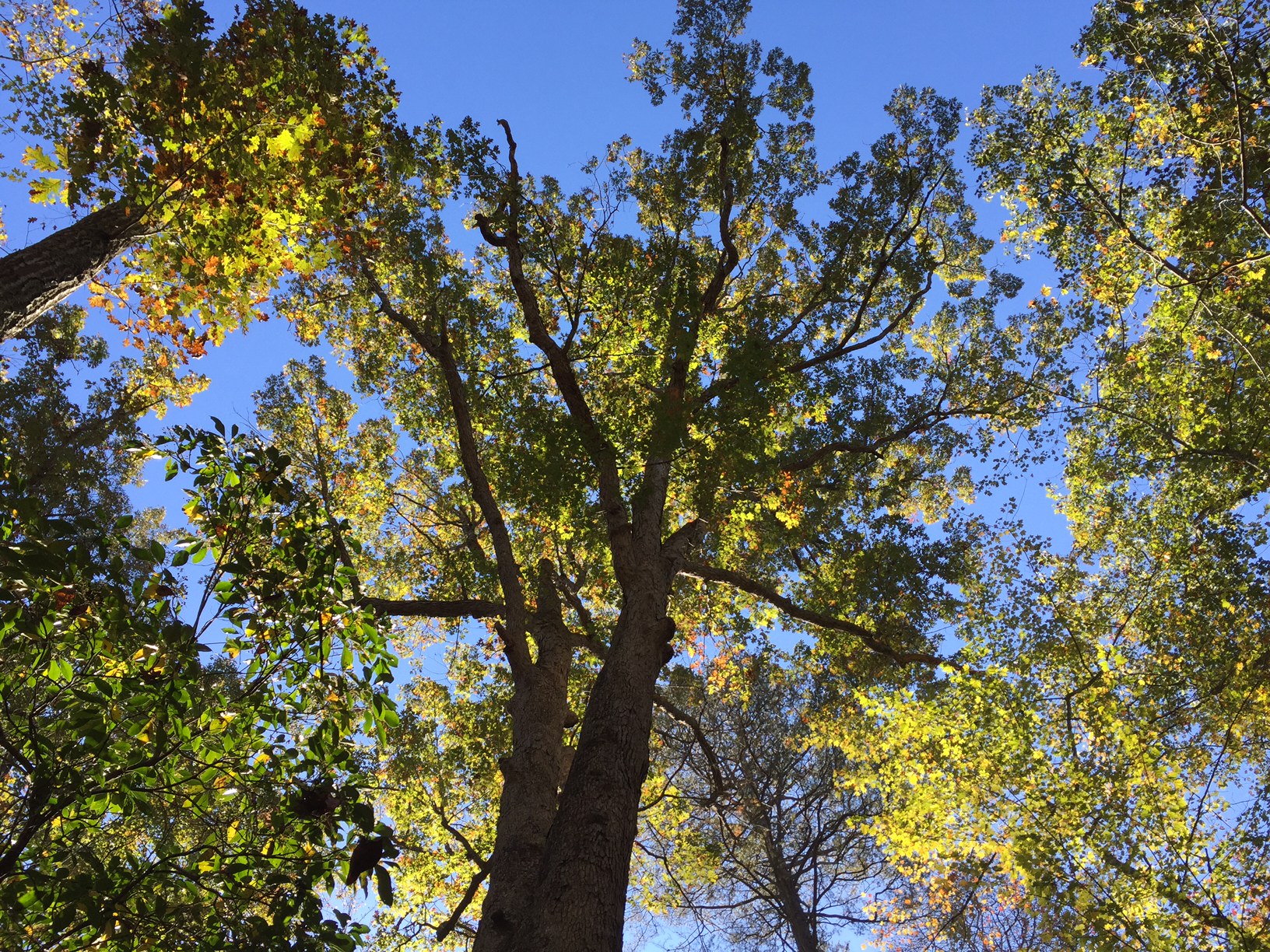
Prince William Forest Park preserves the largest protected forest in the Northern Virginia Piedmont, where 15,000 acres of oak-hickory woodlands shelter over 170 bird species and remnants of 1930s Civilian Conservation Corps camps. Families explore the unique Chopawamsic Backcountry, where Algonquian-named streams wind through dense forest that once housed Depression-era children's camps. The park's 37 miles of fire roads and trails connect historic farm sites being slowly reclaimed by nature, including the accessible Taylor Farm site meadow. Unlike most Mid-Atlantic parks focused on battlefields or monuments, Prince William offers pure forest immersion just miles from the nation's capital.
Junior Ranger Program at Prince William Forest Park
The Junior Ranger program at Prince William Forest Park focuses on forest ecology and wildlife conservation through hands-on activities and nature exploration. Kids complete age-appropriate booklets featuring forest animal identification, ecosystem studies, and conservation challenges while hiking the park's extensive trail system.
- Spotting deer, foxes, and over 150 bird species along forest trails
- Learning about stream ecology at South Fork Quantico Creek
- Exploring historic Civilian Conservation Corps cabin sites from the 1930s
Program Details
Download Junior Ranger Booklet
Get a head start! Download and print the booklet before your visit.
Source: NPS Junior Ranger Program Page
Best Ages for Prince William Forest Park
Ages 4–8
Young children love spotting forest wildlife and identifying different tree types throughout the park's gentle trails. The Taylor Farm site hike offers an easy introduction to the park's history with plenty of open meadow space for kids to explore. Parents should focus on shorter trail sections and plan extra time for nature discovery stops.
Ages 9–12
This age group thrives on the Junior Ranger booklet's forest ecology activities and conservation challenges. They enjoy the treasure hunt aspect of orienteering courses and can handle longer hikes to backcountry areas. The combination of history and hands-on nature study keeps them engaged throughout the program.
Ages 13+
Teens and adults appreciate the park's conservation history and complex forest ecosystem relationships detailed in the program. They can tackle the more challenging orienteering courses and backcountry camping opportunities. The program encourages deeper exploration of how Depression-era camps transformed into today's protected forest sanctuary.
Planning Your Visit
Getting There
Located just off I-95 at exit 150-B, the park entrance is clearly marked on VA Route 619. The main park road offers several pullouts perfect for larger vehicles to stop and explore trailheads. No advance reservations needed for day visits, though backcountry camping requires permits.
Van & RV Notes
Oak Ridge Campground accommodates most family vans and RVs with spacious sites and hookups. Our 22-foot Sprinter fits comfortably at most sites, though reservations are recommended during peak seasons. The 11.5-foot height clearance works fine on park roads, but check specific campground loops for any low-hanging branches.
Best Time to Visit
April through October offers the most comfortable hiking weather and peak wildlife activity during cooler morning and evening hours. Summer brings hot, humid conditions but also the most active forest ecosystem, while fall colors typically peak in mid-to-late October. Winter visits can be magical for snow activities, though main roads may close during severe weather.
How Long to Spend
Plan a full day to truly experience the forest trails and complete the Junior Ranger program thoroughly. Families often combine the visitor center activities with a hike to Taylor Farm site and one of the shorter orienteering courses.
Don't Miss
The Chopawamsic Backcountry offers a rare chance to experience true wilderness just 35 miles from Washington, DC, with its 2.2-mile loop trail perfect for families. The orienteering courses provide an engaging treasure hunt experience that kids absolutely love, turning a forest hike into an adventure game with 30 different courses to choose from.
Fun Facts for Kids
The park's name 'Chopawamsic' means 'by the small divided streams' in the Algonquian language
During the Great Depression, this forest housed children's relief camps before becoming a national park in 1948
The park protects over 170 bird species, including barred owls whose calls echo through the forest at dusk
Remnants of old farmsteads scattered throughout the forest are slowly being reclaimed by 100-year-old oak trees
Plan Your Stay
Save on park entry with the America the Beautiful Pass — $80 for unlimited access to all 400+ National Park sites for a full year.
Where to Stay
Some of the links above are affiliate links. If you book through them, we may earn a small commission at no extra cost to you.
Nearby Parks to Earn More Badges
Fredericksburg & Spotsylvania National Military Park
Fredericksburg & Spotsylvania National Military Park offers four Civil War battlefields where families can explore preserved trenches and historic structures just 30 minutes south.
Manassas National Battlefield Park
Manassas National Battlefield Park provides two major Civil War battle sites with excellent visitor centers and reenactment programs about an hour north.
Thomas Stone National Historic Site
Thomas Stone National Historic Site in Maryland showcases colonial plantation life and a signer of the Declaration of Independence's preserved home and grounds.
See all Junior Ranger badges
Track your family's progress across every National Park Service site
View Badge Tracker