
Pullman National Historical Park
Pullman National Historical Park preserves America's first planned industrial town, where George Pullman created a self-contained community for his railroad car workers in the 1880s. Families explore the remarkably intact Administration-Clock Tower Building, walk tree-lined streets past Victorian worker cottages, and visit the National A. Philip Randolph Pullman Porter Museum to learn about the African American porters who fought for labor rights. The park's unique blend of industrial history and social justice stories makes it unlike typical historic sites—kids discover how ordinary workers changed American labor history. Located in Chicago's South Side, this living neighborhood combines preserved architecture with active community life.
Junior Ranger Program at Pullman National Historical Park
The Junior Ranger program at Pullman helps kids explore the town's remarkable history through interactive activities and historical detective work. Young visitors complete age-appropriate tasks while learning about the workers who lived here and the significant labor movement events that shaped American history.
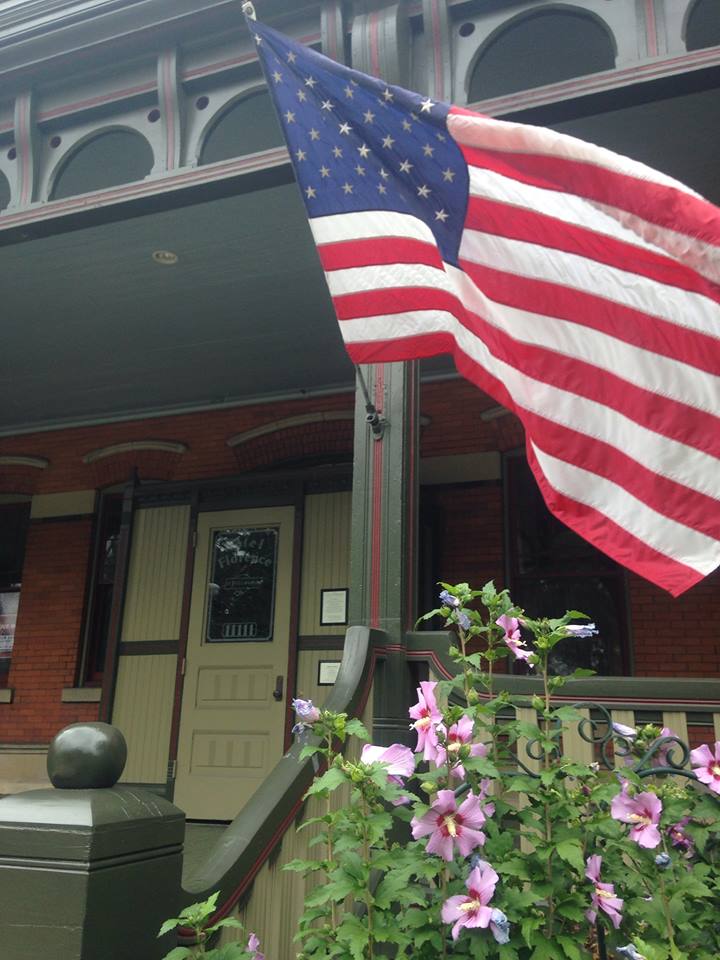
- Explore the historic Hotel Florence where wealthy visitors once stayed
- Learn about the Pullman Strike of 1894 through kid-friendly storytelling
- Discover how entire families lived in the company town's row houses
Program Details
Our Earned Badge
Best Ages for Pullman National Historical Park
Grades 1–3
Young children enjoy the hands-on activities designed for early readers, including simple detective work about the historic buildings they can see. The visitor center exhibits and short walking distances make this age-appropriate, though little ones may need help with reading activities.
Grades 4–6
This age group typically connects well with the worker stories and can handle more detailed historical activities. Kids this age enjoy comparing their lives to the Pullman workers' experiences and understanding the community's unique planned design.
Grades 7–12
Teens and preteens can dive deeper into the complex labor history and social justice themes that make Pullman significant. The booklet for this age group explores the Brotherhood of Sleeping Car Porters and civil rights connections that resonate with older kids interested in social movements.
Planning Your Visit
Getting There
Park on nearby residential streets as the visitor center has limited parking—enter the lot from 111th Street, not through the historic stone gate. The historic district is easily walkable once you're parked, and street parking is typically available on surrounding blocks.
Van & RV Notes
Our Sprinter fits fine on the residential streets around the park, though some streets are narrow so drive slowly and carefully. No campgrounds are available within the park—this is an urban day-visit destination where you'll likely stay at Chicago-area RV parks or campgrounds.
Best Time to Visit
Spring through fall offers the most comfortable weather for walking the historic district, with May through October being ideal for outdoor exploration. Winter visits work well too since the main exhibits are indoors, plus you'll avoid any summer crowds.
How Long to Spend
Plan 2-3 hours for a thorough visit including the visitor center, Junior Ranger program, and walking parts of the historic district. Families truly interested in labor history might spend a full day exploring both the park and the nearby A. Philip Randolph Pullman Porter Museum.
Don't Miss
The Administration-Clock Tower Building itself is absolutely worth exploring—kids love seeing where the company bosses worked while learning about the workers below. Walk past some of the original worker cottages to see how Pullman's planned community looked, and don't miss the Hotel Florence's Victorian architecture even though it's currently closed to interior tours.
Fun Facts for Kids
George Pullman built the entire town in the 1880s, including houses, shops, a library, and even a school—everything workers needed without leaving the company town
The Pullman Palace Car Company created the luxury railroad sleeping cars that made train travel comfortable for wealthy passengers across America
The famous Pullman Strike of 1894 started here when workers protested wage cuts, leading to a nationwide railroad shutdown
African American porters who worked on Pullman cars formed one of the first successful African American labor unions in the United States
Plan Your Stay
Save on park entry with the America the Beautiful Pass — $80 for unlimited access to all 400+ National Park sites for a full year.
Where to Stay
Some of the links above are affiliate links. If you book through them, we may earn a small commission at no extra cost to you.
Nearby Parks to Earn More Badges
Herbert Hoover National Historic Site
Herbert Hoover National Historic Site in Iowa showcases the humble beginnings and presidential legacy of America's 31st president in his reconstructed boyhood home.
Indiana Dunes National Park
Lincoln Home National Historic Site in Springfield, Illinois preserves the only home Abraham Lincoln ever owned, where families explore his pre-presidential life.
Lincoln Home National Historic Site
Indiana Dunes National Park along Lake Michigan combines massive sand dunes with diverse ecosystems just an hour from Chicago's industrial history.
Our Adventures at Pullman National Historical Park
See all Junior Ranger badges
Track your family's progress across every National Park Service site
View Badge Tracker