
 Photo: NPS Photo
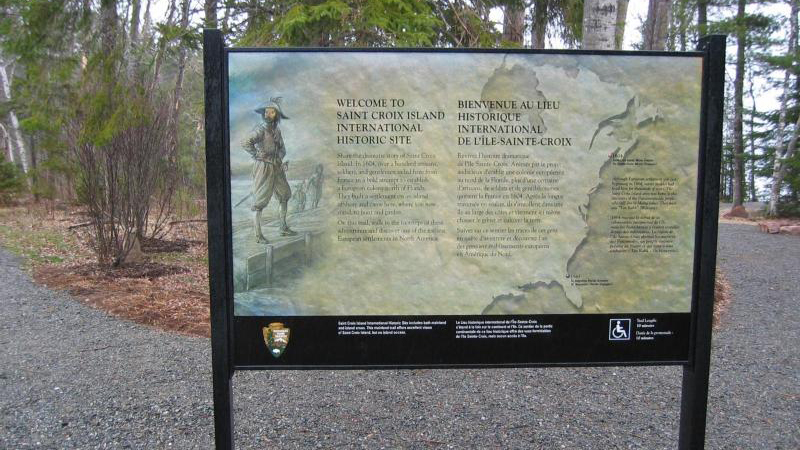
Saint Croix Island International Historic Site preserves the location where French explorers Pierre Dugua and Samuel de Champlain established North America's first attempted permanent settlement north of Florida in 1604. The actual island remains uninhabited and protected, but families explore the mainland visitor center and interpretive trail featuring life-sized bronze sculptures depicting both French colonists and Passamaquoddy people. This compact site uniquely tells the story of cultural cooperation and survival challenges through interactive exhibits that bring the harsh winter of 1604-1605 to life. Unlike larger historic sites, Saint Croix focuses intensely on one pivotal year that shaped the future of French exploration in the New World.
Junior Ranger Program at Saint Croix Island International Historic Site
The Junior Ranger program at Saint Croix Island combines hands-on activities with storytelling to bring 400-year-old history to life. Kids complete an activity booklet while exploring the visitor center exhibits, learning about survival challenges faced by early colonists and the cooperation between French settlers and Passamaquoddy people.
- Learn about the first European settlement attempts in America
- Discover how French colonists and Native Americans worked together
- Explore artifacts and exhibits showing daily life in 1604
Program Details
Best Ages for Saint Croix Island International Historic Site
Ages 4–6
Young children love the bronze sculptures along the short interpretive trail and hearing stories about the French explorers. The visitor center exhibits work well for this age with plenty of visual elements, though some historical concepts may need parent explanation.
Ages 7–10
This age group truly connects with the survival story and can grasp the challenges faced during the brutal winter of 1604-1605. They enjoy learning about the cooperation between French settlers and Passamaquoddy people through the interactive exhibits and trail activities.
Ages 11+
Older kids and teens appreciate the deeper historical significance of this early colonial attempt and its impact on North American exploration. They can fully engage with the complex cultural interactions and understand the site's role in shaping French presence in the New World.
Planning Your Visit
Getting There
The small parking area is located 8 miles south of Calais on US Route 1, turning onto St. Croix Drive with the entrance gate on the right. Parking fills quickly during summer months, so arriving early in the day ensures better spots and cooler temperatures for outdoor exploration.
Van & RV Notes
The compact parking area accommodates our Sprinter van comfortably, though larger RVs may find maneuvering challenging during busy periods. No campground exists on-site, but several RV-friendly options are available in nearby Calais and surrounding areas.
Best Time to Visit
Visit between late May and October when rangers are on duty and the visitor center operates regular hours. Summer months offer the most programming and warmest weather for the outdoor interpretive trail, while fall provides beautiful foliage backdrop.
How Long to Spend
Plan a half-day visit combining the Junior Ranger program, visitor center exhibits, and interpretive trail walk. The site's focused scope makes it perfect for a morning or afternoon stop while exploring Maine's coast.
Don't Miss
Walk the complete interpretive trail to see all the bronze sculptures depicting both French and Passamaquoddy people in their historical settings. Families consistently love the visitor center's interactive exhibits that show how both cultures adapted and survived in this challenging environment.
Fun Facts for Kids
The harsh winter of 1604-1605 killed 35 of the 79 French colonists, making it one of the deadliest early colonial experiences in North America
Saint Croix Island sits in the middle of the Saint Croix River, forming the international boundary between Maine and New Brunswick, Canada
Samuel de Champlain, who would later found Quebec, spent this difficult winter on the island as part of Pierre Dugua's expedition
The Passamaquoddy people's knowledge of local food sources and trading relationships helped the surviving colonists recover their health in spring
Plan Your Stay
Save on park entry with the America the Beautiful Pass — $80 for unlimited access to all 400+ National Park sites for a full year.
Where to Stay
Some of the links above are affiliate links. If you book through them, we may earn a small commission at no extra cost to you.
Nearby Parks to Earn More Badges
Acadia National Park
Acadia National Park offers families stunning coastal scenery, tide pools, and carriage roads perfect for biking just two hours south
Cape Cod National Seashore
Cape Cod National Seashore provides excellent beaches, lighthouse visits, and maritime history programs about four hours southwest
Katahdin Woods and Waters National Monument
Katahdin Woods and Waters National Monument features wilderness hiking, canoeing, and wildlife viewing in Maine's North Woods about three hours northwest
See all Junior Ranger badges
Track your family's progress across every National Park Service site
View Badge Tracker