
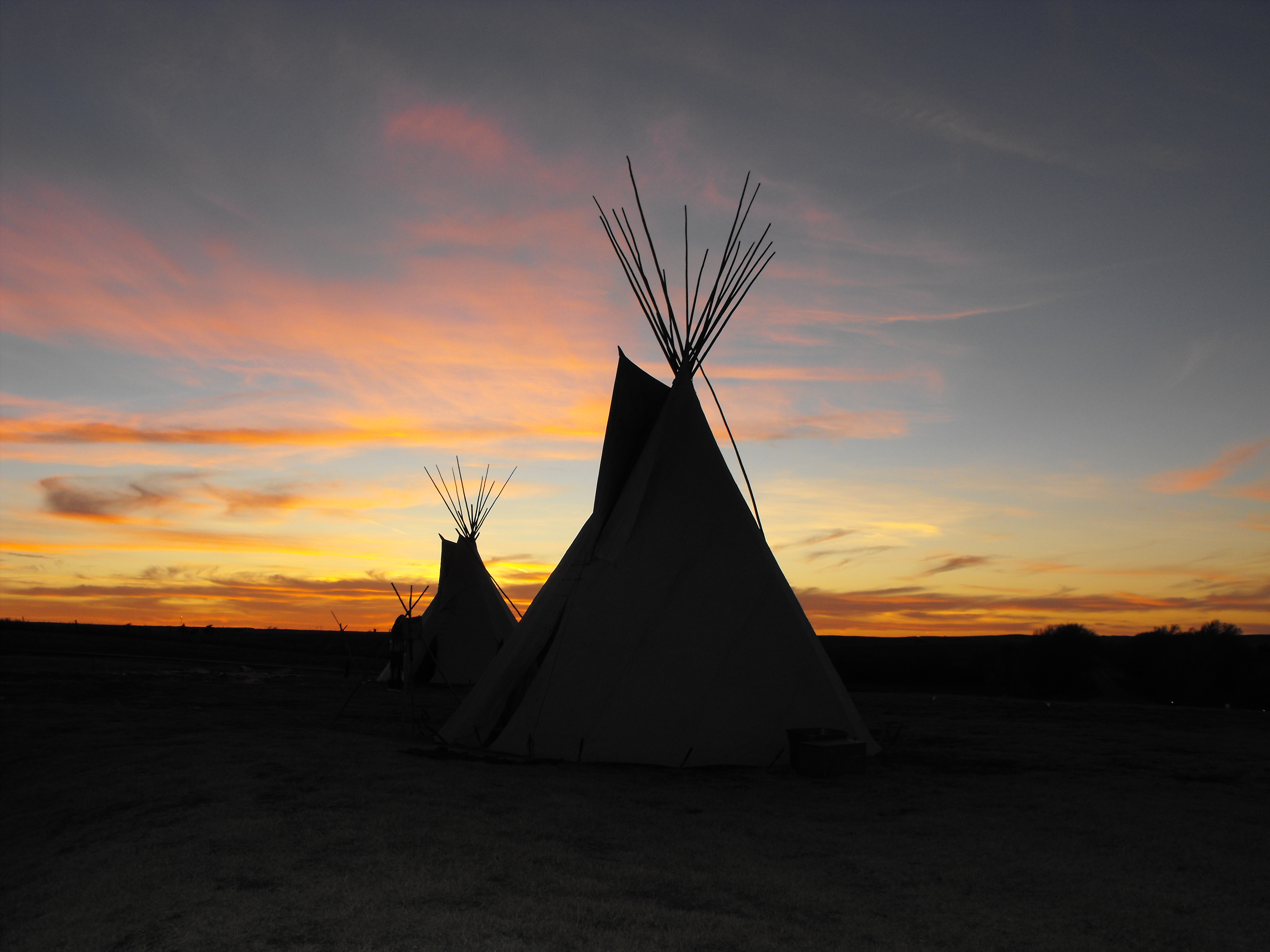
 Photo: NPS Photo / Gene Eakins
Washita Battlefield National Historic Site preserves the location where Lt. Colonel George Armstrong Custer's 7th Cavalry attacked Peace Chief Black Kettle's Cheyenne village on a snowy November morning in 1868. The site sits on rolling Oklahoma prairie where families can walk the same landscape where this pivotal clash occurred during the Great Plains Wars. The battlefield overlook provides sweeping views across the Washita River valley, helping visitors understand how the terrain influenced this tragic encounter. What sets this park apart is its focus on presenting multiple perspectives of the same historical event, encouraging families to consider both military and Native American viewpoints of this complex frontier story.
Junior Ranger Program at Washita Battlefield National Historic Site
The Junior Ranger program at Washita Battlefield engages kids through interactive activities that explore Plains Indian culture, frontier history, and the importance of preserving different perspectives of historical events. Young historians complete age-appropriate activities in their Junior Ranger booklet while walking the battlefield trail and visiting the museum exhibits.
- Learn about Southern Cheyenne culture and daily life through hands-on activities
- Walk the historic battlefield trail and imagine life on the Great Plains
- Explore museum exhibits featuring artifacts and multiple perspectives of frontier history
Program Details
Download Junior Ranger Booklet
Get a head start! Download and print the booklet before your visit.
Source: NPS Junior Ranger Program Page
Best Ages for Washita Battlefield National Historic Site
Ages 4–8
Young children connect well with the prairie wildlife activities and simple map exercises in the booklet. The short visitor center film helps them understand the basic story before walking outside. Parents should plan to read and explain most activities, as the complex historical themes require guidance for this age group.
Ages 9–12
This age group engages deeply with the perspective-based activities that ask them to consider different viewpoints of the same historical event. They can handle the 1.5-mile battlefield trail independently and often become fascinated by the military strategy and Plains Indian culture sections. The booklet's map activities and timeline exercises work perfectly for their developing critical thinking skills.
Ages 13+
Teens and adults appreciate the nuanced approach to this difficult historical topic, particularly activities that explore the broader context of westward expansion and its impact on Native peoples. The program encourages deeper research into primary sources and personal reflection on historical perspectives. Many families find the discussion questions spark meaningful conversations about how we remember and interpret difficult historical events.
Planning Your Visit
Getting There
The visitor center sits about 25 miles north of Interstate 40 via State Highway 283, making it an easy stop for families traveling cross-country. Parking accommodates RVs and larger vehicles easily, with the battlefield overlook just half a mile past the visitor center. No reservations needed, though we recommend calling ahead during winter months to confirm visitor center hours.
Van & RV Notes
The parking areas work well for Sprinter vans and larger RVs, with plenty of room to maneuver at both the visitor center and battlefield overlook. No overnight camping available at the site, but several RV parks in nearby Cheyenne provide full hookups. The flat, paved trail access makes this particularly suitable for families with mobility considerations.
Best Time to Visit
Spring through early fall offers the most comfortable weather for the outdoor trail, with May bringing beautiful wildflower displays across the prairie. Summer temperatures can be brutally hot, so early morning visits work best during June through August. Fall provides crisp weather and fewer crowds, though winter visits focus primarily on the indoor exhibits due to bitter winds across the open landscape.
How Long to Spend
Plan 2-3 hours total to watch the park film, explore museum exhibits, complete Junior Ranger activities, and walk the battlefield trail at a family-friendly pace.
Don't Miss
The battlefield overlook provides the most powerful moment for families, where you can stand and look across the actual Washita River valley where these events unfolded. The visitor center's exhibits presenting both military and Cheyenne perspectives of the battle help kids understand how the same event can be remembered very differently by different groups of people.
Fun Facts for Kids
Black Kettle survived an earlier attack at Sand Creek in Colorado, only to be killed four years later at Washita Battlefield
The 7th Cavalry played the regimental song 'Garryowen' as they charged into the sleeping Cheyenne village at dawn
Snow was falling during the battle, and the temperature was below freezing on that November morning in 1868
The Washita River was named by French explorers, and 'Washita' comes from a Caddo Indian word meaning 'good hunting grounds'
Plan Your Stay
Save on park entry with the America the Beautiful Pass — $80 for unlimited access to all 400+ National Park sites for a full year.
Where to Stay
Some of the links above are affiliate links. If you book through them, we may earn a small commission at no extra cost to you.
Nearby Parks to Earn More Badges
Alibates Flint Quarries National Monument
Alibates Flint Quarries National Monument offers families ranger-guided tours to see ancient quarries where Native peoples mined flint for tools over 13,000 years ago.
Lake Meredith National Recreation Area
Lake Meredith National Recreation Area provides water activities and camping opportunities along the Canadian River, perfect for extending your western Oklahoma adventure.
Oklahoma City National Memorial
Oklahoma City National Memorial commemorates the 1995 bombing with moving exhibits and outdoor symbolic elements that help families discuss tragedy and healing in American communities.
See all Junior Ranger badges
Track your family's progress across every National Park Service site
View Badge Tracker