
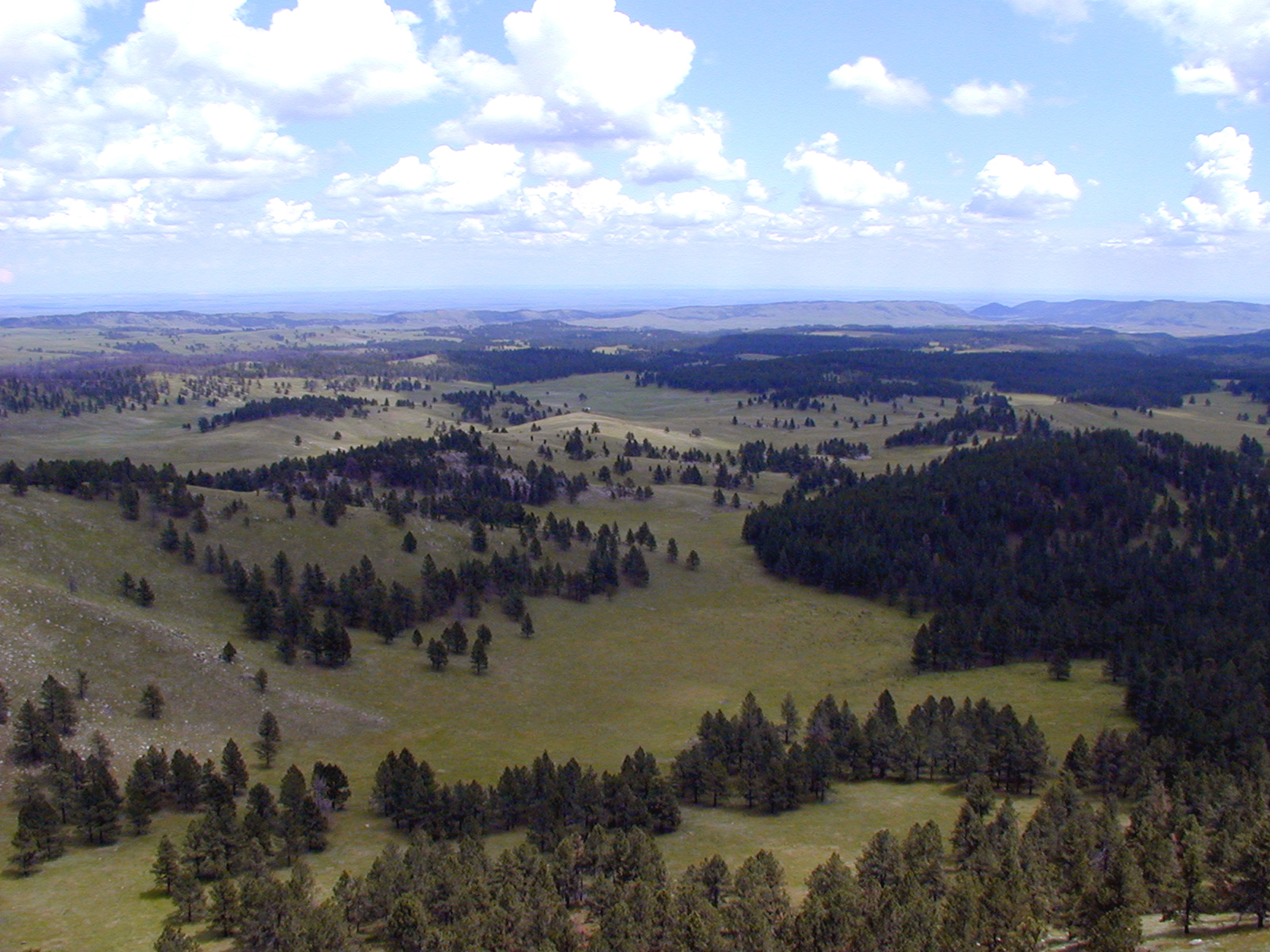
 Photo: NPS Photo
Wind Cave National Park protects one of the one of the world's longest cave systems, featuring over 150 miles of mapped passages beneath 33,970 acres of mixed-grass prairie. The cave is famous for its rare boxwork formations—thin calcite fins that create honeycomb-like patterns found nowhere else in such abundance. Above ground, families can spot bison herds, prairie dog towns, and elk in one of America's few remaining intact prairie ecosystems. The park's natural entrance is a small opening where Lakota oral tradition says the first bison and humans emerged into the world.
Junior Ranger Program at Wind Cave National Park
The Junior Ranger program at Wind Cave combines cave exploration education with prairie wildlife discovery through activity booklets tailored to different age groups. Kids learn about cave formations, underground ecosystems, and prairie conservation while completing fun challenges that earn them an official Junior Ranger badge and certificate.
- Learn about unique boxwork cave formations found nowhere else in such abundance
- Spot bison herds roaming the prairie grasslands from scenic drives
- Discover prairie dog towns and learn about their complex underground cities
Program Details
Our Earned Badge
Best Ages for Wind Cave National Park
Ages 4–6
Young children love spotting prairie dogs popping up from their towns and watching for bison from the safety of the car. The natural cave entrance visit is perfect for this age—it's quick, accessible, and sparks their imagination about what lies beneath. Cave tours may be challenging for very young ones due to duration and cave temperatures.
Ages 7–10
This age group truly shines with Wind Cave's combination of underground and prairie adventures. They're old enough to appreciate cave formations during tours and love the detective work of completing Junior Ranger activities while wildlife watching. The geology driving tour keeps them engaged with hands-on learning about the Black Hills' ancient history.
Ages 11+
Older kids and teens can tackle more challenging hiking trails while completing their Junior Ranger requirements and often become fascinated by the cave's complex geology and rare boxwork formations. They appreciate the cultural significance of the cave in Lakota tradition and can handle longer cave tours. The program connects them to both underground ecosystems and prairie conservation efforts.
Planning Your Visit
Getting There
The visitor center sits about half a mile west of Highway 385, with ample parking for vehicles of all sizes. All cave tours begin from the visitor center, so plan to arrive early during summer months when tours can fill up. No reservations are typically required for most activities, but check current tour availability when you arrive.
Van & RV Notes
Elk Mountain Campground accommodates RVs up to 40 feet with electric hookups, making it perfect for Sprinter vans. The campground sites are well-spaced among ponderosa pines, and our 22-foot van fits comfortably with room for slide-outs. Roads throughout the park are paved and easily navigable for larger vehicles.
Best Time to Visit
Late spring through early fall offers the best experience, with May through September providing comfortable weather for both cave tours and surface activities. Summer brings hot prairie temperatures but cool cave conditions, while fall offers spectacular elk bugling opportunities in September and October. Winter access can be limited by snow, though the park remains open year-round.
How Long to Spend
Plan a full day to experience both the underground cave system and prairie wildlife viewing. Families typically spend 2-3 hours on cave tours and Junior Ranger activities, plus additional time for wildlife watching and hiking the surface trails.
Don't Miss
The cave tour experience is absolutely essential—kids are amazed by the rare boxwork formations that exist almost nowhere else on Earth. Equally important is spending time in the prairie dog towns where these charismatic animals provide endless entertainment as they pop up and down from their burrows, often allowing surprisingly close observation from walking paths.
Fun Facts for Kids
Wind Cave contains over 95% of the world's known boxwork formations—delicate calcite fins that create honeycomb patterns on cave walls
The cave 'breathes' through its natural entrance, with air flowing in and out as atmospheric pressure changes
Wind Cave is considered sacred by the Lakota people, who believe it's where their ancestors and the buffalo first emerged into this world
The cave maintains a constant temperature of 53°F year-round, making it a natural air conditioner in summer and heater in winter
Plan Your Stay
Save on park entry with the America the Beautiful Pass — $80 for unlimited access to all 400+ National Park sites for a full year.
Where to Stay
Some of the links above are affiliate links. If you book through them, we may earn a small commission at no extra cost to you.
Nearby Parks to Earn More Badges
Badlands National Park
Badlands National Park showcases dramatic layered rock formations and fossil beds just 90 minutes east, offering a completely different geological experience with excellent Junior Ranger programs
Jewel Cave National Monument
Jewel Cave National Monument, located just 13 miles away, features the world's third-longest cave system with sparkling calcite crystals that complement Wind Cave's unique boxwork formations
Mount Rushmore National Memorial
Mount Rushmore National Memorial sits 45 minutes north and provides an iconic presidential sculpture experience with family-friendly trails and evening lighting ceremonies
Our Adventures at Wind Cave National Park
Theodore Roosevelt with Kids: Junior Ranger Guide
July 10, 2026
Theodore Roosevelt National Park is the only national park in the United States named for a single person — and the wild North Dakota badlands it protects are the very country that shaped him...
Pipestone with Kids: Junior Ranger Guide
July 4, 2026
Pipestone National Monument protects the sacred red stone — catlinite — that Plains nations have quarried by hand for centuries to carve the bowls of their sacred pipes. It is the only place where that quarrying has never stopped, and it is where White Buffalo Woman is remembered...
Wind Cave with Kids: Junior Ranger Guide
June 28, 2026
Wind Cave National Park holds about 95% of the world's known boxwork — and it is a cave that breathes, exhaling and inhaling through its one natural entrance as the pressure changes. To the Lakota it is Maka Oniye, the breathing earth, the door their people came through...
Magic in the National Parks: Living Legends of the Charming Upper Midwest
August 24, 2019
Pipestone National Monument is the only place in the U.S. where catlinite — the sacred red stone of Indigenous ceremonial pipes — is still quarried, a right reserved exclusively for Native people. Here's our journey through the Upper Midwest's living legends.
See all Junior Ranger badges
Track your family's progress across every National Park Service site
View Badge Tracker