
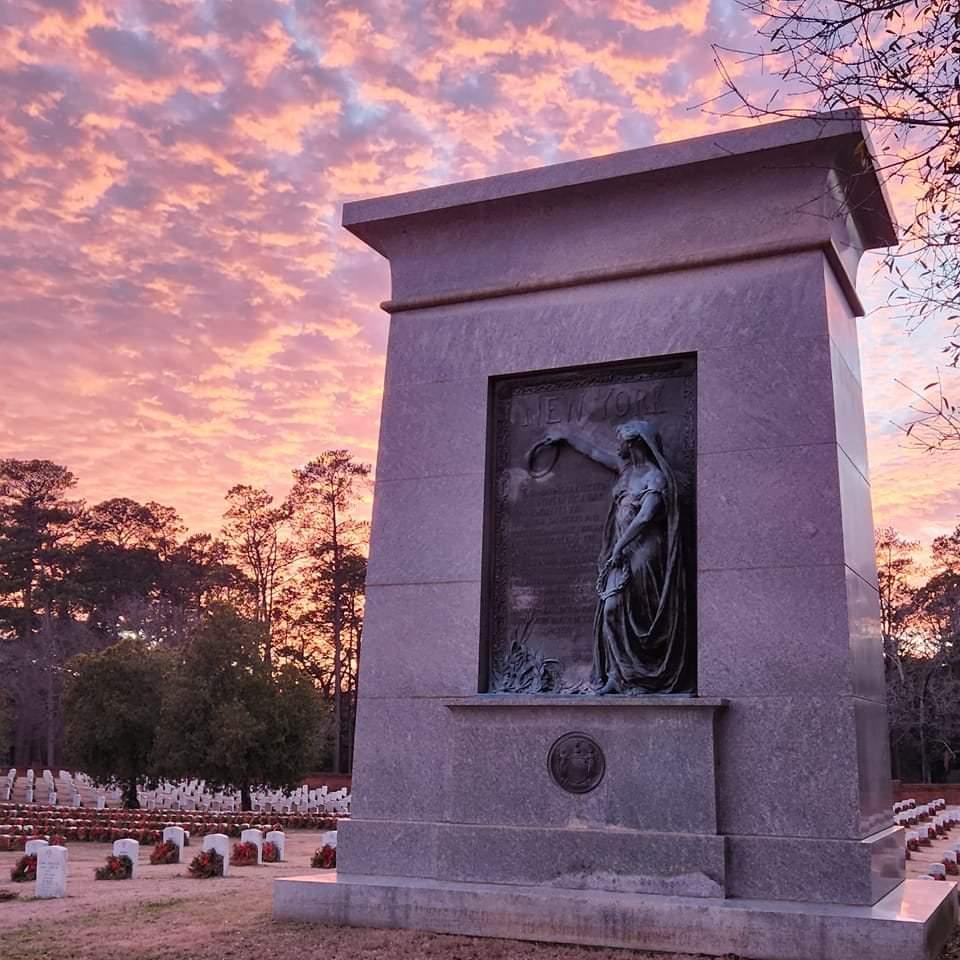
 Photo: ANDE / Teri Surber
Andersonville National Historic Site encompasses the haunting remains of Camp Sumter, one of the Civil War's most notorious prisoner-of-war camps where nearly 13,000 Union soldiers died in just 14 months. The original earthwork fortifications still stand today, offering families a chance to walk the actual grounds where history unfolded. What makes Andersonville unique is its dual role as both a Civil War site and the home of the National Prisoner of War Museum, honoring American POWs from all conflicts. The adjacent Andersonville National Cemetery continues to serve as an active burial ground for veterans, creating a living memorial that spans generations of American service.
Junior Ranger Program at Andersonville National Historic Site
The Junior Ranger program at Andersonville engages kids with age-appropriate activities that explore Civil War prison life, survival stories, and the importance of remembering history. Through hands-on exhibits, guided walks, and thoughtful discussions, young visitors earn their badges while learning valuable lessons about resilience, freedom, and human dignity.
- Explore the historic prison site where Civil War soldiers were held
- Visit the National Prisoner of War Museum with interactive exhibits
- Complete activities about survival, courage, and remembering heroes
Program Details
Best Ages for Andersonville National Historic Site
Age ranges are suggested groupings — check at the visitor center for the official Junior Ranger booklet breakdown.
Ages 4–7
The program officially recommends ages 8 and up, but younger children can participate with significant adult help. The choose-your-own-adventure format requires strong reading skills, so plan to read together. The somber subject matter may be challenging for sensitive younger children.
Ages 8–12
This age group truly thrives with the innovative choose-your-own-adventure format that puts them in a prisoner's shoes. Kids this age can handle the difficult historical concepts while engaging with the decision-making activities throughout the museum and grounds. The program encourages critical thinking about survival, trust, and the human experience of war.
Ages 13+
Teens and adults find the program's mature approach to prisoner-of-war experiences deeply engaging and thought-provoking. The booklet doesn't shy away from difficult questions about survival and morality, making it genuinely challenging for older participants. Many families report that the program sparked meaningful discussions about sacrifice, freedom, and the true cost of war.
Planning Your Visit
Getting There
The park sits 12 miles north of Americus on GA-49, making it easily accessible from I-75. The visitor center parking lot accommodates RVs and larger vehicles with no reservations needed. Free admission makes this an accessible stop for families exploring southwest Georgia.
Van & RV Notes
The parking lot easily handles our 22-foot Sprinter with room to maneuver, and we've never had issues with the 11.5-foot height clearance. No overnight camping is available on-site, but several RV parks in nearby Americus provide full hookups within 15 minutes. The flat, paved paths throughout the museum and main grounds work well for families with strollers or mobility needs.
Best Time to Visit
Fall through early spring offers the most comfortable weather for exploring the outdoor grounds, with summer's heat and humidity making extended outdoor time challenging. Weekdays tend to be quieter, allowing for more intimate experiences with the exhibits and grounds. The museum's climate-controlled environment makes it a perfect midday retreat during Georgia's hot summers.
How Long to Spend
Plan a full day to truly absorb the museum exhibits, complete the Junior Ranger program, and walk the historic grounds respectfully. The emotional weight of the site makes this more of a contemplative experience than a quick educational stop.
Don't Miss
The National Prisoner of War Museum offers an incredibly moving multimedia experience that helps families understand POW experiences across all American conflicts. Walking the original earthwork walls of Camp Sumter provides a sobering connection to the 45,000 men who were imprisoned here, making history tangible in a way few sites can match.
Fun Facts for Kids
Camp Sumter operated for only 14 months but became one of the most notorious Civil War prison camps due to severe overcrowding and poor conditions
The earthwork walls visitors see today are the original fortifications built by Confederate forces in 1864
Andersonville National Cemetery remains an active burial ground where veterans from all American conflicts continue to be laid to rest
The prison was designed to hold 10,000 men but at its peak confined over 33,000 Union prisoners in just 26.5 acres
Plan Your Stay
Save on park entry with the America the Beautiful Pass — $80 for unlimited access to all 400+ National Park sites for a full year.
Where to Stay
Some of the links above are affiliate links. If you book through them, we may earn a small commission at no extra cost to you.
Nearby Parks to Earn More Badges
Jimmy Carter National Historical Park
Tuskegee Airmen National Historic Site celebrates the pioneering African American military pilots who broke barriers during World War II
Ocmulgee Mounds National Historical Park
Jimmy Carter National Historical Park in Plains offers families a chance to explore the hometown and early life of America's 39th president
Tuskegee Airmen National Historic Site
Ocmulgee Mounds National Historical Park showcases 17,000 years of continuous human habitation through impressive Native American earthen mounds
See all Junior Ranger badges
Track your family's progress across every National Park Service site
View Badge Tracker