
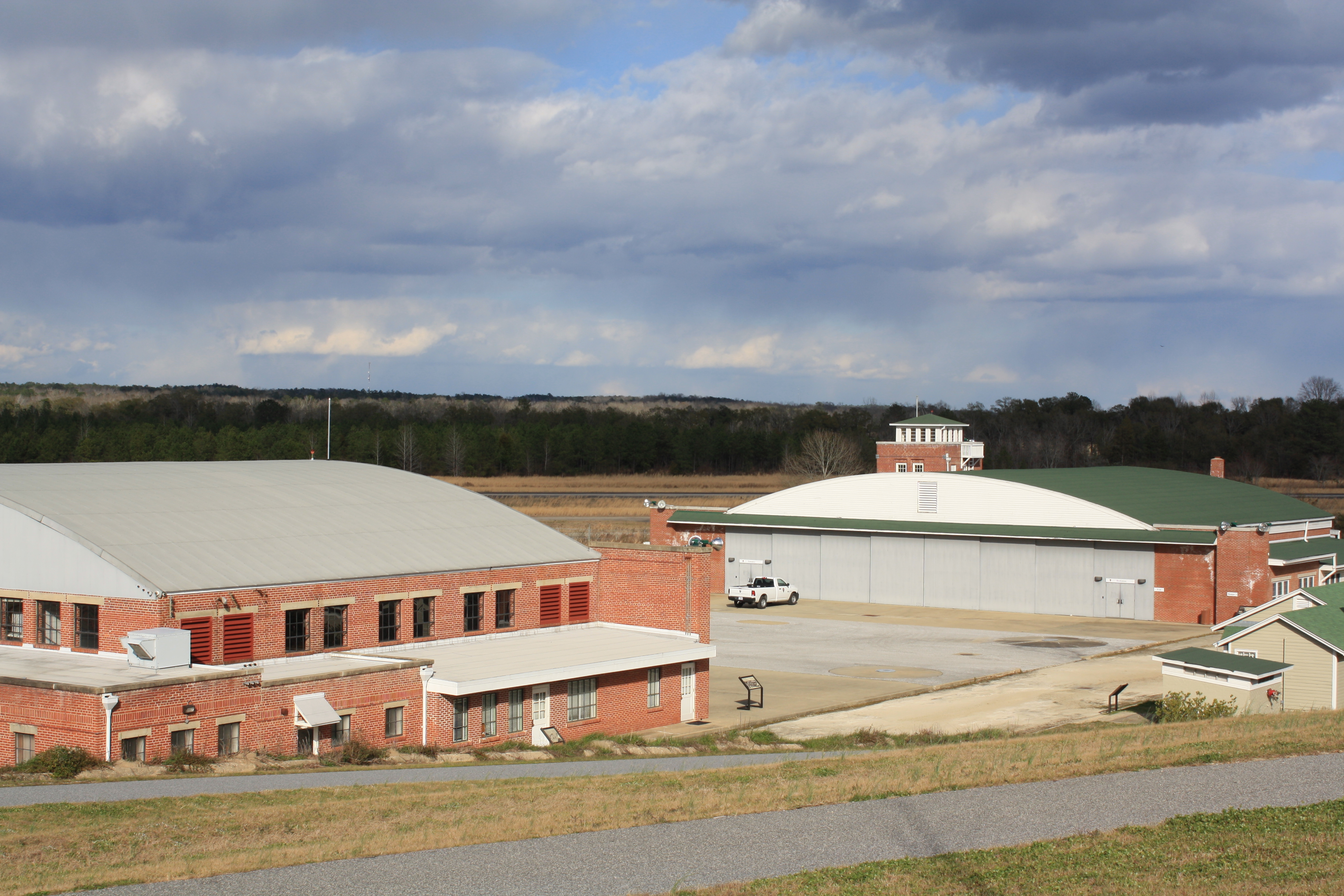
 Photo: NPS Photo
At Tuskegee Airmen National Historic Site, families walk through the actual Moton Field where America's first Black military aviators learned to fly in PT-17 Stearman bi-planes with distinctive striped tails. The site preserves original 1940s hangars and buildings where cadets endured rigorous training while fighting discrimination both in the skies and on the ground. Two museum hangars tell complementary stories — Hangar 1 focuses on cadet training and Tuskegee Institute's involvement, while Hangar 2 showcases the airmen's combat achievements and their fight for 'Double Victory' at home and abroad. Twenty wayside exhibits scattered across the historic airfield allow families to explore at their own pace while learning about this pivotal chapter in aviation and civil rights history.
Junior Ranger Program at Tuskegee Airmen National Historic Site
The Junior Ranger program here focuses on aviation history, leadership, and the groundbreaking achievements of the Tuskegee Airmen during World War II. Kids complete activities that explore flight science, military history, and the importance of perseverance while learning about these pioneering pilots who broke barriers in the sky.
- Explore authentic P-51 Mustang aircraft and flight simulators
- Learn about courage and determination through inspiring pilot stories
- Participate in hands-on aviation science experiments and activities
Program Details
Best Ages for Tuskegee Airmen National Historic Site
Age ranges are suggested groupings — check at the visitor center for the official Junior Ranger booklet breakdown.
Ages 4–7
Young children love seeing the actual airplanes and hearing stories about brave pilots who looked like superheroes. The museum exhibits have interactive elements that keep little hands busy, though some historical concepts may be challenging without parent guidance. The outdoor walking path with wayside exhibits works well for short attention spans.
Ages 8–12
This age group truly connects with the courage and determination stories of the Tuskegee Airmen. They can handle the full museum experience in both hangars and appreciate the significance of breaking barriers in aviation. The Junior Ranger activities typically include hands-on learning about flight science and historical timelines that resonate with elementary and middle school students.
Ages 13+
Teens and adults can deeply engage with the complex civil rights themes and military history presented throughout the site. They appreciate the nuanced storytelling about discrimination within the military and the airmen's contributions to both World War II and the civil rights movement. Older participants often spend considerable time with the video presentations in Hangar 2's four pods.
Planning Your Visit
Getting There
The visitor center offers ample parking for larger vehicles including Sprinter vans, with easy access from I-85 at Exit 38. No advance reservations required, and the site operates on a self-paced exploration model. The path from parking downhill to the historic hangars is manageable for all mobility levels.
Van & RV Notes
Our 11.5-foot Sprinter fits comfortably in the visitor center parking area with room to maneuver. No overnight camping available on-site, but nearby Tuskegee offers several RV-friendly options. The relatively compact site means you won't need to move your van once parked.
Best Time to Visit
Spring and fall provide the most comfortable weather for outdoor exploration, with fewer crowds than summer months. Summer can be quite hot with high humidity, making early morning visits ideal. Winter visits work well since most exhibits are indoors, though outdoor wayside exhibits are less appealing in cold weather.
How Long to Spend
Plan a half-day visit to thoroughly explore both hangars and walk the outdoor exhibits without feeling rushed. Families often spend 3-4 hours here, especially when completing Junior Ranger activities.
Don't Miss
The video presentations in Hangar 2's four pods provide powerful firsthand accounts from actual Tuskegee Airmen that bring history to life for all ages. The scenic overlook offers a perfect spot for reflection while viewing the original 1940s buildings where these pioneering aviators trained.
Fun Facts for Kids
The Tuskegee Airmen originally flew planes with striped tails before becoming famous as the 'Red Tails' with their distinctive red markings
Moton Field was built specifically to test whether African Americans could be trained as military pilots during World War II
The PT-17 Stearman bi-plane used for training was the same aircraft used to train all Army Air Corps pilots regardless of race
Tuskegee enjoys around 218 sunny days per year, making it ideal for the flight training that took place here in the 1940s
Plan Your Stay
Save on park entry with the America the Beautiful Pass — $80 for unlimited access to all 400+ National Park sites for a full year.
Where to Stay
Some of the links above are affiliate links. If you book through them, we may earn a small commission at no extra cost to you.
Nearby Parks to Earn More Badges
Horseshoe Bend National Military Park
Horseshoe Bend National Military Park preserves the site of Andrew Jackson's decisive 1814 victory over Creek forces, offering families a different perspective on Alabama's military history.
Jimmy Carter National Historical Park
Jimmy Carter National Historical Park in nearby Georgia showcases the hometown and early life of America's 39th president through preserved buildings and exhibits.
Tuskegee Institute National Historic Site
Tuskegee Institute National Historic Site celebrates Booker T. Washington's educational legacy and connects perfectly with the Airmen's story of overcoming barriers through education and determination.
See all Junior Ranger badges
Track your family's progress across every National Park Service site
View Badge Tracker