
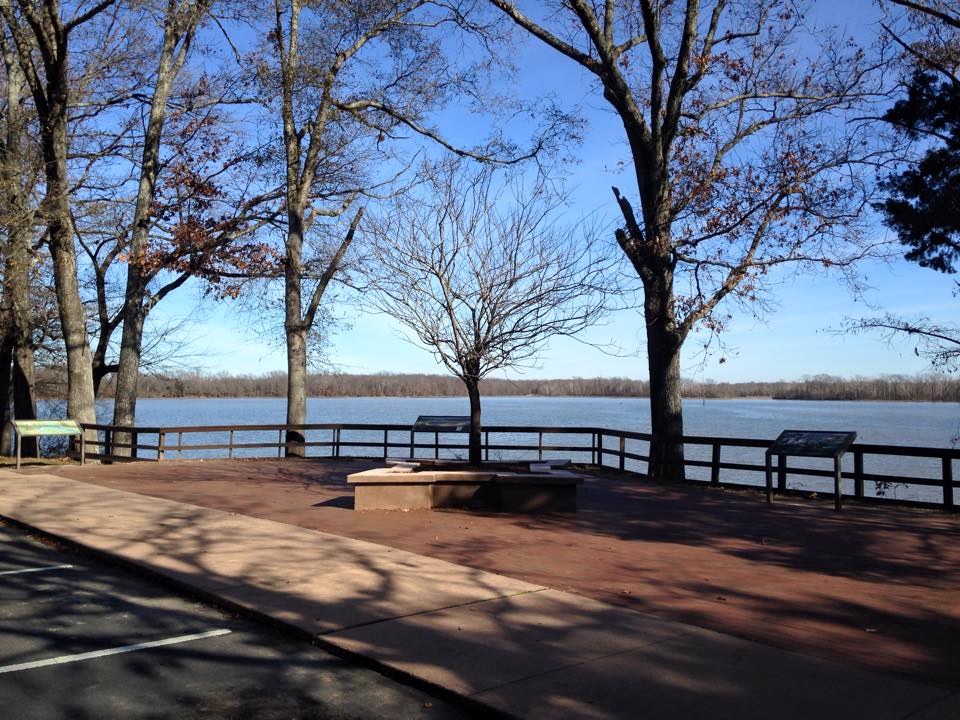
Arkansas Post National Memorial preserves the site of the first European settlement in the lower Mississippi River Valley, established by French explorers as a trading post in 1686. Families explore the 1820s Osotouy Unit townsite foundations, walk the Nature Trail through ancient oak groves, and discover how this strategic river junction served as Arkansas's first territorial capital. The memorial uniquely preserves both French colonial and American territorial periods in one compact site, with authentic building foundations and a reconstructed blockhouse that kids can enter. Unlike other colonial sites, Arkansas Post showcases the multicultural crossroads where French, Spanish, Native American, and early American cultures intersected for over 300 years.
Junior Ranger Program at Arkansas Post National Memorial
The Junior Ranger program at Arkansas Post engages kids in hands-on exploration of colonial life, Native American culture, and the natural environment of the Arkansas Delta. Young historians complete activity booklets featuring scavenger hunts through historic exhibits, nature observations along interpretive trails, and interactive learning about the diverse cultures that shaped this region.
- Walking the Historic Townsite Trail to see remnants of the original settlement
- Learning about Quapaw Indian culture and French colonial trading posts
- Exploring the visitor center's interactive exhibits about river commerce and frontier life
Program Details
Best Ages for Arkansas Post National Memorial
Age ranges are suggested groupings — check at the visitor center for the official Junior Ranger booklet breakdown.
Ages 4–7
Young explorers love the short Nature Trail that winds through towering oak trees and offers glimpses of the Arkansas River. The visitor center's hands-on exhibits about Native American life and early trading posts capture their attention, especially the interactive displays showing what traders carried along the rivers. Keep walks short and focus on the easy paths near the visitor center.
Ages 8–12
This age group truly enjoys exploring the townsite foundations where they can imagine life in the 1820s territorial capital. They're fascinated by stories of river pirates, territorial governors, and the diverse cultures that met here for trade. The scavenger hunt activities work perfectly for kids who can read trail markers and connect historical dots between different time periods.
Ages 13+
Teens and adults appreciate the complex cultural history and strategic importance of this river confluence location. They can tackle the longer trail loops and understand the broader context of westward expansion, territorial politics, and how geography shaped settlement patterns. The memorial's role in multiple conflicts from colonial times through the Civil War provides rich discussion material for history enthusiasts.
Planning Your Visit
Getting There
The memorial sits about seven miles south of Gillett via Highway 169, with clear signage from US Highway 165. Parking is spacious and level, easily accommodating large vehicles near the visitor center. No reservations needed for general visitation, though group tours should call ahead.
Van & RV Notes
The main parking area works perfectly for Sprinter vans and RVs with plenty of maneuvering room and level spots. No overnight parking is permitted at the memorial, but nearby state parks offer camping options. The roads within the memorial are paved and wide enough for larger vehicles to access all major sites.
Best Time to Visit
April through October offers the best weather for hiking and outdoor exploration, though summer can be quite humid and buggy near the rivers. Winter visits are pleasant but the visitor center operates on reduced hours Tuesday and Wednesday. Spring wildflowers along the Nature Trail are spectacular, while fall colors make photography particularly rewarding.
How Long to Spend
Plan a half-day visit to thoroughly explore the visitor center exhibits, walk the Nature Trail, and investigate the townsite foundations. Families often combine this with nearby attractions since the memorial itself is compact but rich in interpretive opportunities.
Don't Miss
Walk the easy Nature Trail to see the massive oak trees that have witnessed centuries of human activity along these riverbanks. The Osotouy Unit townsite foundations let kids stand where Arkansas's territorial capital once thrived, with interpretive markers bringing the 1820s settlement to life.
Fun Facts for Kids
Arkansas Post was the first European settlement in the lower Mississippi River Valley, established by French explorers in 1686
The Arkansas River has changed course so many times that several historic Arkansas Post locations are now buried under river sediment
This site served as Arkansas's first territorial capital from 1819 to 1821 before the government moved to Little Rock
The memorial preserves evidence of at least six different Arkansas Post locations as the river shifted over 300 years
Plan Your Stay
Save on park entry with the America the Beautiful Pass — $80 for unlimited access to all 400+ National Park sites for a full year.
Where to Stay
Some of the links above are affiliate links. If you book through them, we may earn a small commission at no extra cost to you.
Nearby Parks to Earn More Badges
Little Rock Central High School National Historic Site
Hot Springs National Park offers families natural thermal springs, historic bathhouses, and excellent hiking trails in the Ouachita Mountains about two hours northwest
Hot Springs National Park
Little Rock Central High School National Historic Site preserves the landmark of school integration and civil rights history, about 90 minutes northeast
Poverty Point National Monument
Poverty Point National Monument showcases impressive prehistoric earthworks built by Native Americans over 3,000 years ago, roughly two hours southeast in Louisiana
See all Junior Ranger badges
Track your family's progress across every National Park Service site
View Badge Tracker