
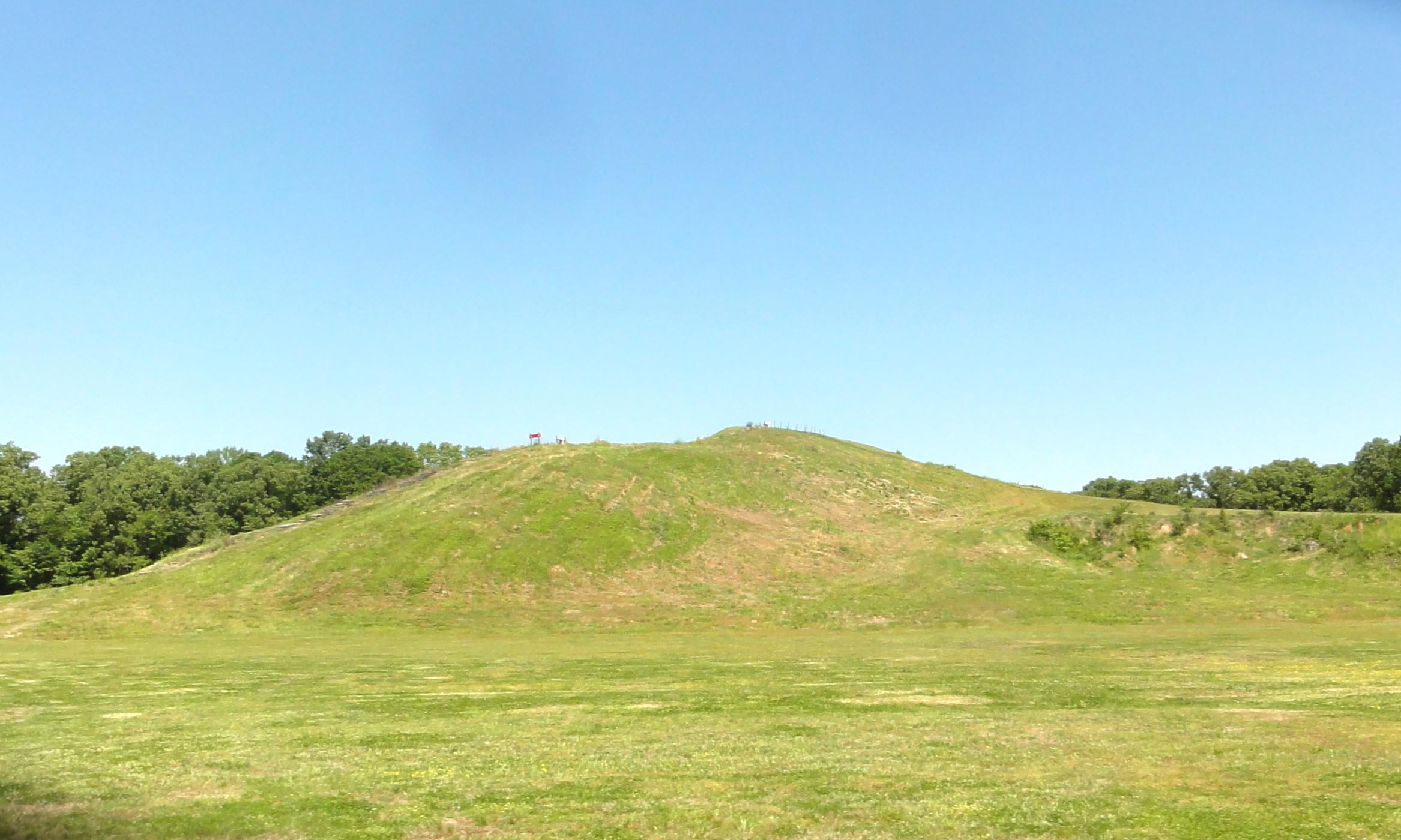
Poverty Point National Monument preserves one of North America's most sophisticated prehistoric engineering achievements, where ancient people moved over 26.5 million cubic feet of earth to create massive ceremonial mounds and semi-circular ridges without metal tools or wheeled vehicles. Families explore the enormous Mound A, standing 72 feet tall and covering 8 acres at its base, along with the intricate ridge system that once formed a giant amphitheater. The site represents a complex trading network that flourished 3,000-3,700 years ago, connecting communities across half the continent. What sets Poverty Point apart from other archaeological sites is its sheer scale and the mystery of how hunter-gatherers without agriculture created such monumental earthworks.
Junior Ranger Program at Poverty Point National Monument
The Junior Ranger program at Poverty Point combines archaeology activities with cultural discovery as kids complete workbook challenges about ancient civilizations. Young explorers learn artifact identification, participate in hands-on demonstrations, and earn their badge by understanding how Native Americans lived and thrived at this remarkable site thousands of years ago.
- Walk the ancient earthwork ridges and imagine life 3,700 years ago
- Handle replica artifacts and learn prehistoric tool-making techniques
- Explore the visitor center's interactive exhibits about ancient trade networks
Program Details
Best Ages for Poverty Point National Monument
Age ranges are suggested groupings — check at the visitor center for the official Junior Ranger booklet breakdown.
Ages 4–7
Younger children enjoy the short walk to Mound A and love hearing stories about ancient people building these giant hills. The visitor center exhibits with touchable artifacts and interactive displays capture their attention better than lengthy trail walks. Keep visits focused on the main mound area and save the longer ridge walks for when they're older.
Ages 8–12
This age group truly connects with the mystery and scale of Poverty Point, asking great questions about how people moved so much earth without modern equipment. They can handle the full walking trail system and enjoy identifying different artifact types in the museum. The hands-on archaeology activities and trading network concepts really resonate with their developing sense of history and problem-solving.
Ages 13+
Teens and adults appreciate the sophisticated engineering and complex social organization required to create Poverty Point over multiple generations. They can grasp the significance of this UNESCO World Heritage Site and enjoy deeper discussions about prehistoric cultures and archaeological methods. The full scope of the ridge system and its astronomical alignments provides plenty of material for thoughtful exploration.
Planning Your Visit
Getting There
The visitor center parking area accommodates RVs and larger vehicles easily, with level spaces and convenient restroom access. From Interstate 20, take the Delhi exit and follow LA 17 north to LA 134 east, then LA 577 north to reach the monument. No reservations required, and entrance is free, making this an accessible stop for families.
Van & RV Notes
Our Sprinter van fits comfortably in the visitor center parking area, with level spots and easy maneuvering room for vehicles up to 40 feet. No overnight camping is available on-site, but nearby Poverty Point Reservoir State Park offers camping with hookups about 10 minutes away. The paved paths from parking to the visitor center and main mound area work well for families with mobility needs.
Best Time to Visit
October through April provides the most comfortable weather for walking the earthworks, with cooler temperatures and lower humidity than Louisiana's intense summers. Spring wildflowers add beauty to the landscape, while fall offers pleasant temperatures for longer exploration. Summer visits are possible but require early morning or late afternoon timing to avoid the heat.
How Long to Spend
Plan a half-day visit to see the main mound, complete Junior Ranger activities, and explore the museum exhibits thoroughly. Families often spend 3-4 hours total, including time for the short hiking trails and hands-on learning activities.
Don't Miss
Climbing to the top of Mound A gives families incredible perspective on the scale of this ancient achievement and offers panoramic views across the Mississippi River floodplain. The museum's collection of beautifully crafted stone tools and ornaments from across North America shows the vast trading network that made Poverty Point a prehistoric crossroads.
Fun Facts for Kids
Ancient people at Poverty Point moved enough earth to fill about 35,000 dump trucks, all carried in baskets and animal hide bags
Stone tools found here came from as far as 1,000 miles away, proving these people had extensive trade networks reaching from the Great Lakes to the Gulf Coast
The site's six concentric ridges form a giant amphitheater that would hold about 5,000 people during ceremonies
Poverty Point was built during the same time period as Stonehenge, but covered a much larger area at over 400 acres
Plan Your Stay
Save on park entry with the America the Beautiful Pass — $80 for unlimited access to all 400+ National Park sites for a full year.
Where to Stay
Some of the links above are affiliate links. If you book through them, we may earn a small commission at no extra cost to you.
Nearby Parks to Earn More Badges
Arkansas Post National Memorial
Arkansas Post National Memorial showcases the first European settlement in the Arkansas River Valley, with easy trails and exhibits about frontier life that complement Poverty Point's prehistoric focus.
Natchez National Historical Park
Natchez National Historical Park preserves antebellum mansions and tells the complex story of the Old South, including slavery and the lives of enslaved people along the Mississippi River.
Vicksburg National Military Park
Vicksburg National Military Park offers families the chance to explore Civil War battlefields and see the restored USS Cairo gunboat, providing dramatic contrast to Poverty Point's ancient history.
See all Junior Ranger badges
Track your family's progress across every National Park Service site
View Badge Tracker