
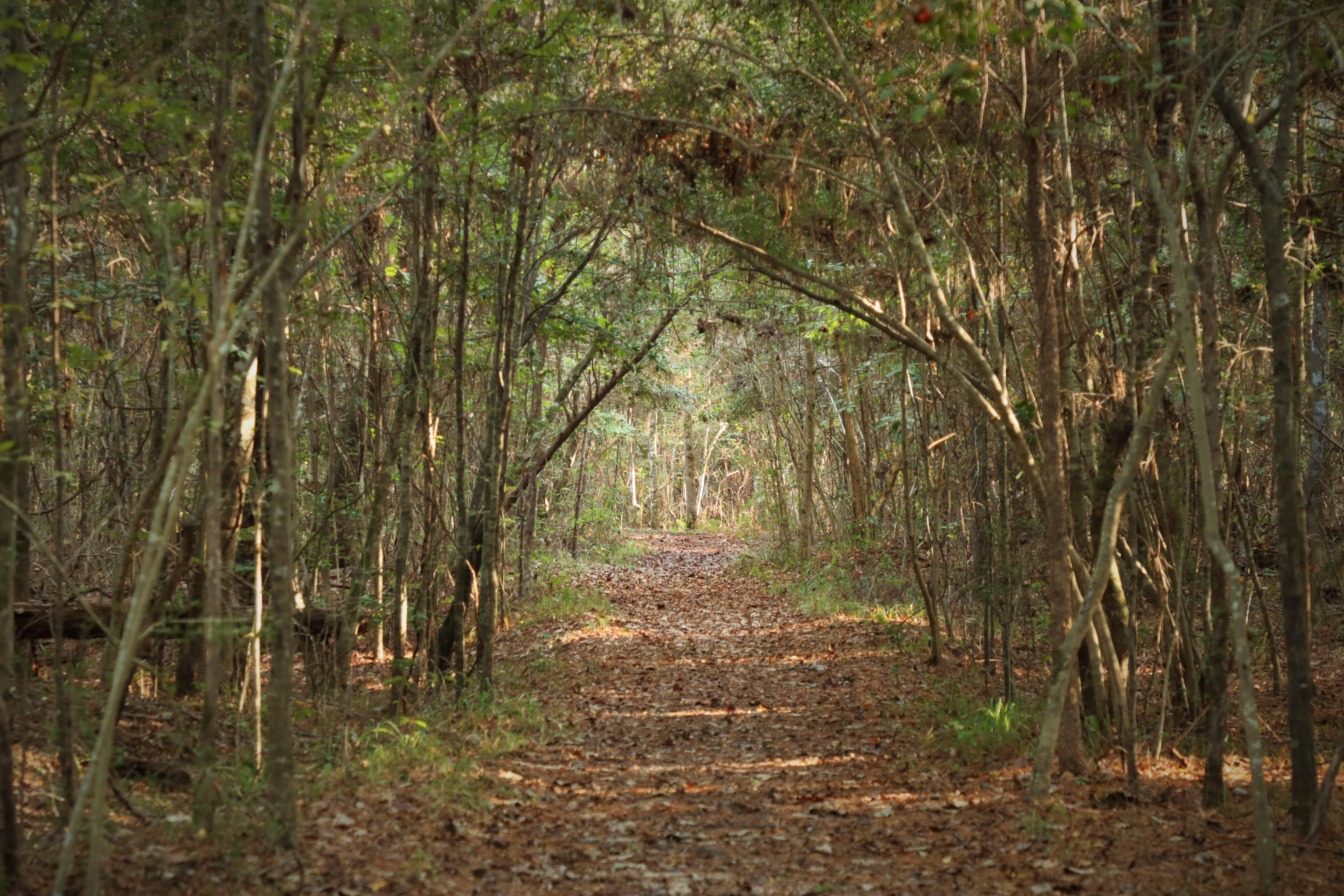
 Photo: NPS Photo / Scott Sharaga
Big Thicket National Preserve protects over 100,000 acres in Southeast Texas where nine distinct ecosystems converge — an area so diverse it earned the nickname "America's Amazon." Families encounter everything from towering longleaf pines and ancient bald cypress swamps to rare carnivorous plants like sundews and pitcher plants that capture insects for food. The preserve spans 15 separate units, each offering different habitats where desert species meet forest dwellers in surprising combinations. Village Creek and other waterways wind through these varied landscapes, creating perfect corridors for wildlife viewing and paddle adventures that showcase this unique convergence of ecosystems.
Junior Ranger Program at Big Thicket National Preserve
The Junior Ranger program at Big Thicket focuses on ecosystem exploration, teaching kids to identify different habitats within the preserve's nine distinct biological communities. Young rangers learn wildlife tracking skills, discover wetland creatures, and complete hands-on activities that showcase how different plants and animals adapt to various environments from pine forests to cypress swamps.
- Track wildlife through multiple ecosystems in one preserve
- Explore cypress swamps and discover unique wetland creatures
- Learn about carnivorous plants and rare orchids native to the area
Program Details
Best Ages for Big Thicket National Preserve
Ages 4–6
Young explorers truly love the short nature trails like the Sundew Trail where they can hunt for tiny carnivorous plants and spot wildlife in the wetlands. The visitor center scavenger hunt keeps little ones engaged while learning about the preserve's unique ecosystems. We recommend sticking to the shorter trails and visitor center activities for this age group.
Ages 7–10
Kids at this level enjoy hiking the Kirby Nature Trail to see massive bald cypress trees and their distinctive "knees" along Village Creek. They're fascinated by learning to identify different forest types and tracking wildlife signs throughout the preserve's varied habitats. The combination of trail exploration and hands-on visitor center activities works perfectly for maintaining their interest.
Ages 11+
Older kids and teens appreciate the preserve's complex ecosystem relationships and can tackle longer trails like sections of the Turkey Creek Trail for backcountry exploration. They enjoy learning about conservation efforts and understanding how human activities have shaped these diverse habitats over time. The paddle opportunities and more challenging wildlife identification activities appeal to this age group's developing interests in environmental science.
Planning Your Visit
Getting There
The main visitor center sits at US 69/287 and FM 420, about 7 miles north of Kountze and easily accessible from major highways. The preserve has multiple units scattered across Southeast Texas, so families typically start at the visitor center to get oriented and pick up maps. No entrance fees or reservations required, making it an easy addition to any East Texas adventure.
Van & RV Notes
Our Sprinter van navigates the preserve roads easily, with the Turkey Creek Unit offering the best RV access and most family-friendly trails. The visitor center has adequate parking for larger vehicles, though some remote trailheads in other units may require smaller vehicles. No hookups available, but the preserve allows free backcountry camping with permits obtained at the visitor center.
Best Time to Visit
March through April offers the most comfortable hiking weather with wildflowers blooming and wildlife becoming more active after winter. October and November provide pleasant temperatures without summer's oppressive heat and humidity that can make trail exploration challenging with kids. Summer visits require early morning or late afternoon timing due to intense heat and frequent thunderstorms.
How Long to Spend
Plan a full day to experience both the visitor center exhibits and at least two different trail ecosystems that showcase the preserve's remarkable diversity. Families often return for multiple visits since the preserve's 15 separate units each offer different experiences and wildlife viewing opportunities.
Don't Miss
The Sundew Trail absolutely captivates kids as they search for tiny red carnivorous plants in the wetland pine savannah - it's like a real-life nature treasure hunt. We truly love the Kirby Nature Trail for its gentle loop through multiple forest types where families consistently spot wildlife and marvel at the massive bald cypress trees with their distinctive root formations.
Fun Facts for Kids
Big Thicket is home to four different types of carnivorous plants, including sundews that trap insects with sticky droplets and pitcher plants that drown prey in water-filled chambers
The preserve protects the meeting point of eastern forests, Gulf coastal plains, central prairies, and southwestern deserts - creating habitat for species that normally live hundreds of miles apart
Over 185 bird species have been recorded here, including painted buntings, prothonotary warblers, and pileated woodpeckers that thrive in the diverse forest habitats
Ancient cypress trees in the preserve can live over 1,000 years, with their distinctive 'knees' helping them breathe in swampy conditions
Plan Your Stay
Save on park entry with the America the Beautiful Pass — $80 for unlimited access to all 400+ National Park sites for a full year.
Where to Stay
Some of the links above are affiliate links. If you book through them, we may earn a small commission at no extra cost to you.
Nearby Parks to Earn More Badges
Cane River Creole National Historical Park
Cane River Creole National Historical Park in Louisiana showcases the unique Creole plantation culture with historic buildings and grounds that tell the story of enslaved and free people of color.
Natchez National Historical Park
Waco Mammoth National Monument preserves the fossils of Columbian mammoths and other Ice Age animals discovered in Central Texas, perfect for young paleontology enthusiasts.
Waco Mammoth National Monument
Natchez National Historical Park in Mississippi explores antebellum Southern history through preserved mansion grounds and the stories of both enslaved and free communities.
See all Junior Ranger badges
Track your family's progress across every National Park Service site
View Badge Tracker