
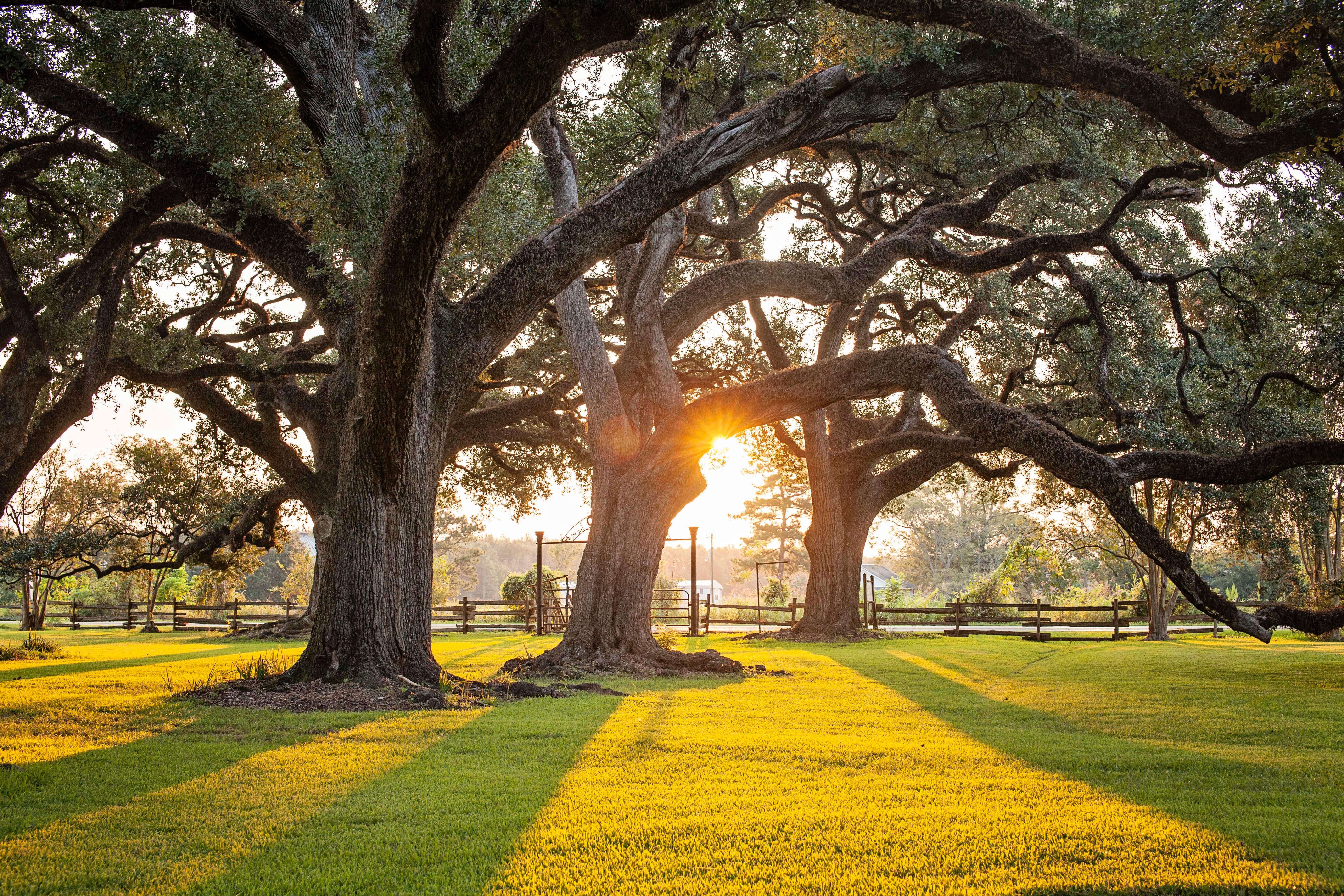
Cane River Creole National Historical Park
Cane River Creole National Historical Park preserves two of the most intact Creole cotton plantations in America, where the same families of owners, enslaved people, and tenant farmers lived for over 200 years. Families explore Oakland and Magnolia Plantations' original buildings, including the rare surviving slave quarters at Magnolia built from bousillage (mud and moss construction). The park tells the complete story of Creole culture through preserved gin barns, overseer houses, and plantation stores that once served this unique Louisiana community. Unlike other plantation sites, Cane River focuses on the interconnected lives of all who lived here, making it a powerful place for understanding America's complex agricultural heritage.
Junior Ranger Program at Cane River Creole National Historical Park
The Junior Ranger program at Cane River Creole engages young historians through hands-on activities that explore Creole culture, plantation life, and the stories of enslaved peoples. Children complete activity booklets while touring historic buildings and grounds, earning their badge by participating in ranger-led programs about this fascinating piece of American history.
- Explore authentic Creole plantation buildings and grounds
- Learn traditional crafts and skills from the 1800s
- Discover stories of diverse cultures that shaped Louisiana
Program Details
Download Junior Ranger Booklet
Get a head start! Download and print the booklet before your visit.
Source: NPS Junior Ranger Program Page
Our Earned Badge
Best Ages for Cane River Creole National Historical Park
Ages 6–8
Young Junior Rangers love the hands-on plantation activities, especially exploring the different buildings and learning about daily life long ago. The booklet includes visual activities like connecting dots and identifying buildings that work well for emerging readers. Parents should plan extra time for the mapping activities and cotton ginning demonstrations.
Ages 9–11
This age group truly engages with the historical timeline activities and cultural exploration sections about Creole food, music, and language. They can handle the more challenging cotton boll symbol activities that require walking between plantation sites and participating in ranger tours. The word puzzles and Venn diagrams about Cane River life past and present are perfect for their developing analytical skills.
Ages 12+
Older kids and teens appreciate the complex historical narratives about slavery, the Civil War impact, and cultural preservation efforts. They can complete all activities including the challenging sections on El Camino Real trading routes and detailed cotton processing operations. The reflection questions about being stewards of cultural heritage resonate strongly with this age group's developing sense of responsibility.
Planning Your Visit
Getting There
The two plantation sites are located about 10 minutes apart via scenic Louisiana highways. Oakland Plantation offers the main visitor pavilion with parking for large vehicles, while Magnolia requires a separate stop accessed via Highway 119. No reservations required for self-guided exploration, but guided tours of Oakland's main house are only available weekends 10am-2pm.
Van & RV Notes
Oakland Plantation has excellent parking for RVs and large vans with plenty of maneuvering space near the entrance pavilion. Our 22-foot Sprinter had no issues accessing both sites, though Magnolia's parking area is smaller and may require more careful positioning. No overnight camping available, but nearby Natchitoches offers several RV parks within 15 minutes of the plantations.
Best Time to Visit
Spring (March-May) and fall (October-November) provide the most comfortable weather for exploring the outdoor historic sites and walking between buildings. Summer visits are possible but expect high humidity and afternoon thunderstorms, so plan morning visits and bring plenty of water. Winter offers mild temperatures perfect for Louisiana's unpredictable weather patterns.
How Long to Spend
Plan a full day to truly explore both plantation sites and complete the Junior Ranger activities. The program requires visiting multiple buildings and participating in demonstrations that naturally spread across 4-5 hours including travel between Oakland and Magnolia.
Don't Miss
The gin barn at Magnolia features an incredible wooden screw press that kids love examining up close, while Oakland's main house tour reveals authentic Catholic artifacts and period furnishings. Families consistently rave about the plantation stores where kids can see actual items that would have been sold to the community 150 years ago.
Fun Facts for Kids
The Magnolia slave quarters are built with bousillage, a unique construction method using mud, moss, and animal hair mixed together for insulation
Solomon Williams, an enslaved blacksmith at Oakland, created beautiful ironwork that visitors can still see today, including intricate grave markers
The same Creole families lived on these plantations for over 200 years, with some descendants still living in the Cane River area
Cotton bolls had to go through 8 different steps in the gin barn before being ready to ship, and the Junior Ranger book lets kids trace this entire process
Plan Your Stay
Save on park entry with the America the Beautiful Pass — $80 for unlimited access to all 400+ National Park sites for a full year.
Where to Stay
Some of the links above are affiliate links. If you book through them, we may earn a small commission at no extra cost to you.
Nearby Parks to Earn More Badges
Big Thicket National Preserve
Poverty Point National Monument showcases 3,400-year-old earthwork mounds built by prehistoric Native Americans, offering a fascinating contrast to Cane River's more recent plantation history.
Natchez National Historical Park
Big Thicket National Preserve in Texas provides incredible biodiversity with nine different ecosystems, perfect for families who love the nature side of National Park adventures after exploring cultural sites.
Poverty Point National Monument
Natchez National Historical Park features antebellum mansions and Civil War sites along the Mississippi River, extending the plantation era story that Cane River tells so well.
Our Adventures at Cane River Creole National Historical Park
See all Junior Ranger badges
Track your family's progress across every National Park Service site
View Badge Tracker