
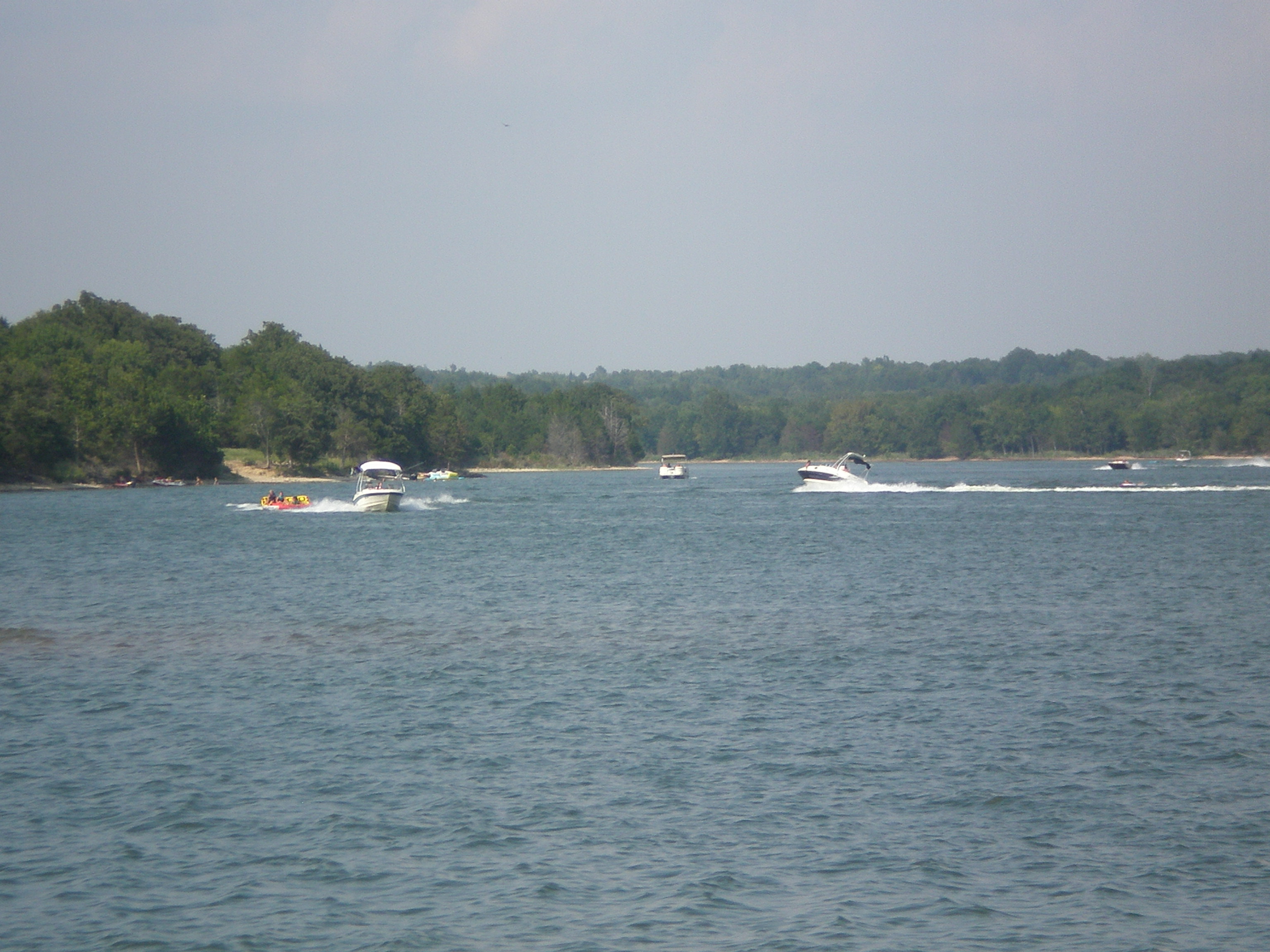
 Photo: NPS Photo
Chickasaw National Recreation Area protects natural spring-fed pools that hold a constant 77°F year-round — one of the few places in the country where families can swim no matter the season. The park's crown jewel, the Travertine Creek area, features stunning limestone formations created over thousands of years by mineral-rich spring water. Unlike typical lakes and rivers, these crystal-clear springs emerge from deep underground aquifers, making them perfect for swimming even when air temperatures soar above 100°F. The park's unique combination of freshwater springs, lakes, and streams creates diverse ecosystems that support over 240 bird species and abundant wildlife.
Junior Ranger Program at Chickasaw National Recreation Area
The Junior Ranger program at Chickasaw focuses on water ecology, Native American heritage, and local wildlife conservation. Kids complete hands-on activities like water quality testing, wildlife tracking, and learning about the Chickasaw Nation's connection to these sacred springs while earning their official Junior Ranger badge.
- Swimming in the famous Blue River and natural springs
- Exploring the Nature Center with interactive exhibits about local ecosystems
- Learning about Chickasaw culture and the area's significance to Native American tribes
Program Details
Best Ages for Chickasaw National Recreation Area
Ages 4–8
Young children absolutely love the hands-on water activities and simple wildlife spotting games. The booklet includes easy puzzles and drawing activities that work well while picnicking near the springs. Parents find the nature center's interactive displays help reinforce what kids learn in their booklets.
Ages 9–12
This age group digs into the more detailed water quality activities and enjoys learning about the Chickasaw Nation's historical connection to these sacred springs. The booklet challenges them to observe and record specific wildlife behaviors and understand how underground aquifers create the park's unique ecosystem.
Ages 13+
Teens and adults tackle comprehensive conservation questions and dive deep into the geological processes that create travertine formations. The program includes activities that explore complex topics like groundwater systems and cultural preservation. Older participants often become the family experts on why these springs stay the same temperature year-round.
Planning Your Visit
Getting There
The park spreads across multiple areas accessible from different entrances off US I-35 near Sulphur, Oklahoma. Families typically start at the Travertine Nature Center for Junior Ranger booklets, then explore the various spring and lake areas. No entrance fees or advance reservations required for day visits.
Van & RV Notes
Several campgrounds accommodate RVs with full hookups, though our 22-foot Sprinter fits comfortably in most sites. The park's campgrounds fill quickly during summer swimming season, so book well in advance. Road clearances throughout the park easily handle our 11.5-foot height with no low bridge concerns.
Best Time to Visit
April through October offers the best weather for swimming and outdoor activities, with July and August being peak season when all water recreation areas operate fully. Spring visits in April and May provide comfortable temperatures with fewer crowds, while fall offers beautiful foliage around the springs. Winter visits are pleasant for hiking but limit swimming opportunities.
How Long to Spend
Plan a full day to complete Junior Ranger activities while enjoying swimming and picnicking at multiple spring areas. The diverse ecosystems and numerous trails can easily fill two days for families who love water recreation and wildlife watching.
Don't Miss
The cold spring swimming at Antelope and Buffalo Springs provides a refreshing escape that kids remember long after leaving — the constant 77°F water feels magical on hot summer days. Families consistently love the easy trail to Little Niagara Falls, where kids can play in the shallow pools while parents relax in the shade.
Fun Facts for Kids
The springs at Chickasaw maintain a constant temperature of 77°F year-round because they emerge from deep underground aquifers
Travertine rock formations throughout the park are created when spring water deposits limestone minerals over thousands of years
The park protects over 240 species of birds, making it a hotspot for families who enjoy wildlife watching
Native American tribes considered these springs sacred healing waters for over 1,000 years before the area became a national recreation area
Plan Your Stay
Save on park entry with the America the Beautiful Pass — $80 for unlimited access to all 400+ National Park sites for a full year.
Where to Stay
Some of the links above are affiliate links. If you book through them, we may earn a small commission at no extra cost to you.
Nearby Parks to Earn More Badges
Fort Smith National Historic Site
Oklahoma City National Memorial offers families a powerful opportunity to learn about resilience and remembrance through interactive exhibits designed for visitors of all ages.
Oklahoma City National Memorial
Washita Battlefield National Historic Site provides insight into Plains Indian history with a short trail and visitor center that helps families understand this important chapter of American history.
Washita Battlefield National Historic Site
Fort Smith National Historic Site combines frontier law enforcement history with reconstructed buildings that bring the Old West to life for curious kids and history-loving parents.
See all Junior Ranger badges
Track your family's progress across every National Park Service site
View Badge Tracker