
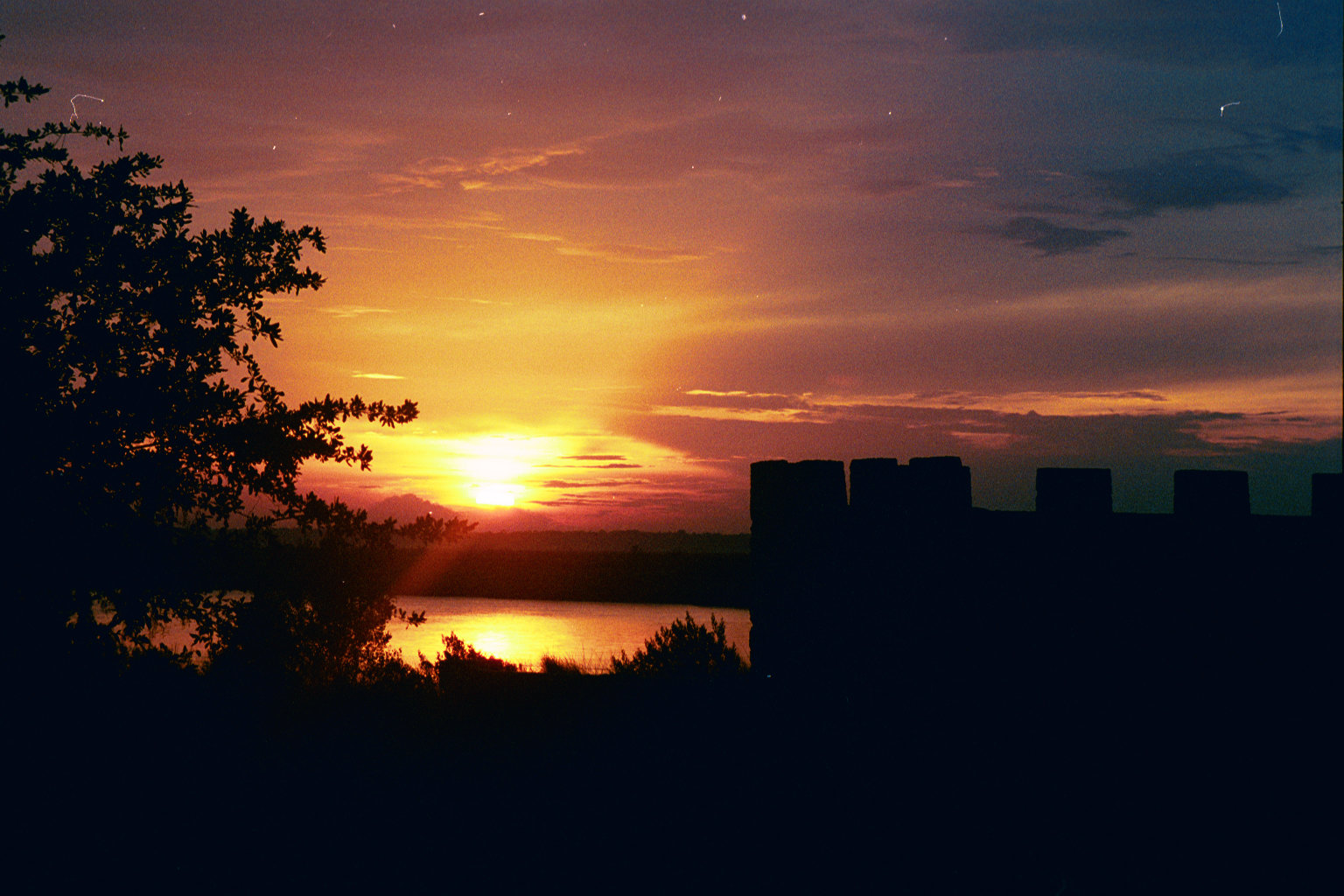
Fort Frederica National Monument stands as one of the best-preserved colonial archaeological sites in the Southeast, where visitors walk through the actual foundations of an 18th-century British fortress town. The fort's strategic location helped protect Georgia's southern border during the War of Jenkins' Ear, and today families can explore the remains of barracks, homes, shops, and taverns where over 1,000 colonists once lived. The site's tabby construction—a unique mixture of oyster shells, lime, sand, and water—created remarkably durable foundations that survived nearly 300 years. Unlike other colonial sites that rely on reconstructions, Fort Frederica offers authentic ruins where kids can literally walk in the footsteps of colonial soldiers, craftsmen, and families who shaped early American history.
Junior Ranger Program at Fort Frederica National Monument
The Junior Ranger program at Fort Frederica challenges kids to become colonial detectives, exploring archaeological sites and completing activities about 18th-century fort life. Young rangers investigate the remains of homes, shops, and military structures while learning about the diverse community that once thrived here, from soldiers to craftsmen to families.
- Walking through authentic 18th-century colonial town ruins
- Hands-on archaeology activities and artifact discovery
- Learning about colonial life through interactive exhibits and demonstrations
Program Details
Download Junior Ranger Booklet
Get a head start! Download and print the booklet before your visit.
Source: NPS Junior Ranger Program Page
Best Ages for Fort Frederica National Monument
Ages 4–7
The program requires significant adult assistance for this age group due to reading and writing requirements. Young kids absolutely love borrowing the soldier's haversack and exploring the ruins, but parents need to help with booklet activities. The outdoor scavenger hunt and walking through the fort foundations keeps little ones engaged.
Ages 8–13
This age group perfectly matches the program's design, with kids able to complete most activities independently while using the special equipment in the soldier's haversack. The archaeological detective work and colonial history exploration truly captivates middle schoolers. The combination of reading, outdoor exploration, and hands-on activities keeps them thoroughly engaged for the full hour-plus experience.
Ages 13+
Teens and adults often find the Junior Archeologist Program more engaging than the standard Junior Ranger activities. The archaeological focus provides deeper historical context and scientific methodology that appeals to older participants. Many families find that teens enjoy helping younger siblings with the haversack activities while learning about colonial life and military history.
Planning Your Visit
Getting There
The park sits on St. Simons Island, accessible via the Torras Causeway from the mainland. Follow Frederica Road to the park entrance across from Wesley United Methodist Church. Parking fills quickly during peak season with day-trippers from Jekyll Island and other coastal destinations.
Van & RV Notes
The visitor center parking area accommodates larger RVs and high-roof vans like our Sprinter, though spaces are limited. No overnight camping is available at the monument itself, but nearby state parks and private campgrounds on St. Simons Island offer options. Check ground clearance on some island roads, as coastal flooding can create temporary challenges.
Best Time to Visit
Fall through early spring provides the most comfortable weather for exploring the outdoor ruins, with mild temperatures perfect for the walking required by the Junior Ranger program. Summer visits mean hot, humid conditions, so plan early morning or late afternoon activities. Living history demonstrations on select weekends add special appeal but draw larger crowds.
How Long to Spend
Plan a half-day visit to complete the Junior Ranger program and explore the museum exhibits. The fort grounds and nature trails can easily fill 3-4 hours for families who enjoy archaeological sites and colonial history.
Don't Miss
The ranger-led town tour at 11:15am or 2:15pm brings the ruins to life with stories of the diverse community that once thrived here. Living history demonstrations on select weekends showcase colonial trades like blacksmithing and weaving, creating an immersive experience that truly transports families back to the 1740s.
Fun Facts for Kids
Fort Frederica was home to over 1,000 people in the 1740s, making it one of Georgia's largest settlements at the time
The fort's tabby construction used millions of oyster shells mixed with lime, creating concrete-like walls that still stand today
The Battle of Bloody Marsh in 1742 ended Spanish attempts to invade Georgia, though only a few dozen soldiers were actually involved
Archaeologists have uncovered artifacts from 44 different house sites within the town, including everything from pottery to musket balls
Plan Your Stay
Save on park entry with the America the Beautiful Pass — $80 for unlimited access to all 400+ National Park sites for a full year.
Where to Stay
Some of the links above are affiliate links. If you book through them, we may earn a small commission at no extra cost to you.
Nearby Parks to Earn More Badges
Cumberland Island National Seashore
Cumberland Island National Seashore offers pristine beaches and wild horses, perfect for families seeking coastal wilderness after exploring colonial history
Fort Pulaski National Monument
Fort Pulaski National Monument showcases Civil War artillery technology and features hands-on cannon demonstrations that complement Fort Frederica's colonial military focus
Timucuan Ecological & Historic Preserve
Timucuan Ecological & Historic Preserve protects both natural ecosystems and Native American shell mounds, providing insight into the region's pre-colonial inhabitants
See all Junior Ranger badges
Track your family's progress across every National Park Service site
View Badge Tracker