
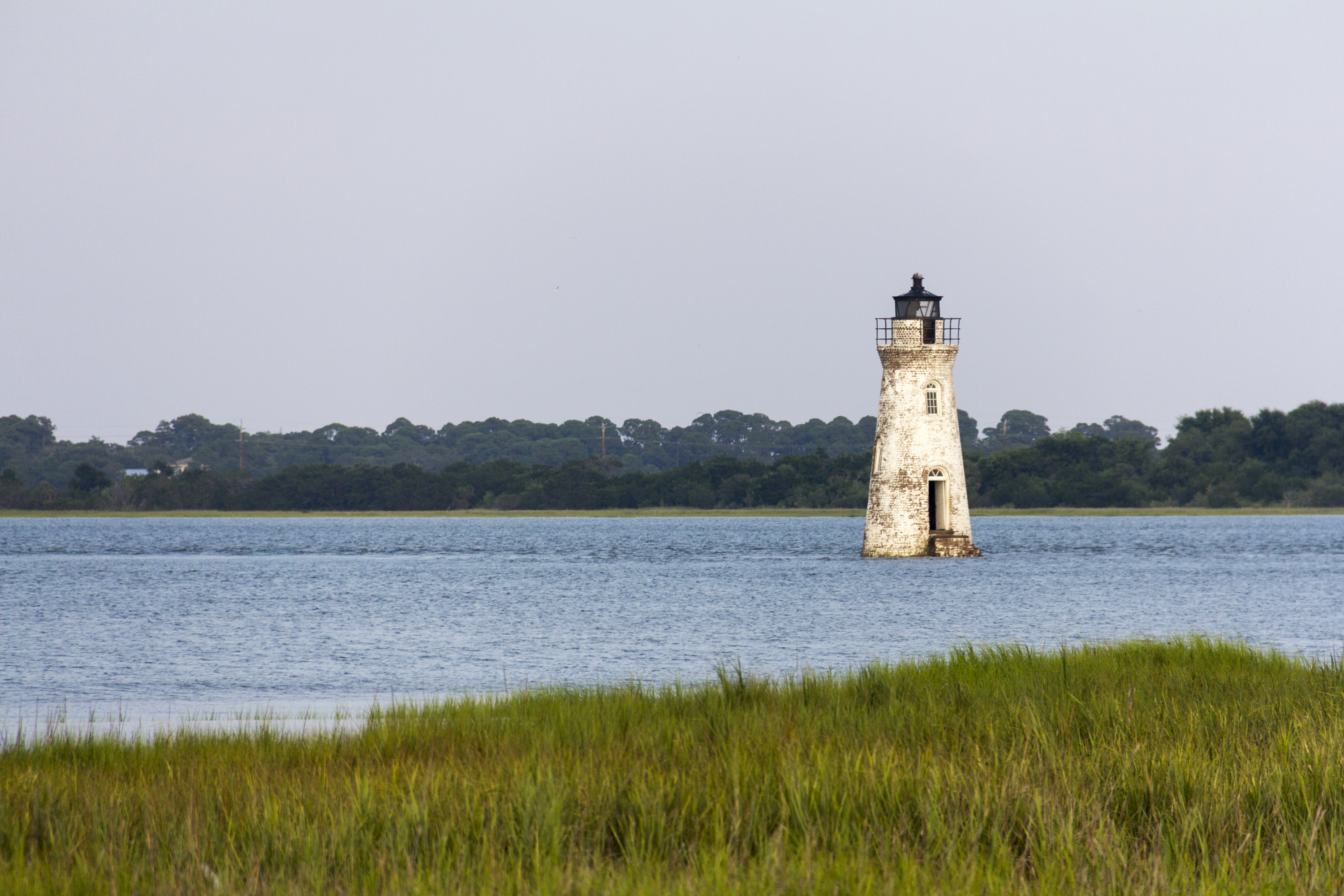
 Photo: NPS Photo / Joel Cadoff
Fort Pulaski National Monument preserves the site of the first successful use of rifled cannon in warfare, when this seemingly impregnable Civil War fortress fell in just 30 hours in 1862. Families explore massive brick casemates and walk the ramparts overlooking the Savannah River. The fort's unique pentagonal design and the visible battle damage from 1862 create an immersive historical experience unlike any other coastal fortification. Kids truly love scrambling through the dark gunrooms and imagining life as a Civil War soldier defending this strategic outpost on Cockspur Island.
Junior Ranger Program at Fort Pulaski National Monument
The Junior Ranger program at Fort Pulaski combines history detective work with hands-on activities as kids complete challenges throughout the fort. Young historians learn about Civil War military life, examine authentic artifacts, and discover how the innovative rifled cannon changed warfare forever.
- Explore soldier quarters and prison cells inside the fort walls
- Learn to load and fire replica Civil War cannons during demonstrations
- Search for wildlife in the surrounding salt marshes and nature trails
Program Details
Download Junior Ranger Booklet
Get a head start! Download and print the booklet before your visit.
Source: NPS Junior Ranger Program Page
Best Ages for Fort Pulaski National Monument
Under 6 years old
Young children complete 5+ activities from the handbook, focusing on visual activities like the scavenger hunt and nature bingo. The fort's massive walls and dark casemates fascinate little ones, though parents should watch carefully near the ramparts and water areas.
7-10 years old
This age group completes 7+ activities and truly engages with the historical content about Civil War battles and fort life. Kids this age love the cannon math problems, matching historical figures to descriptions, and exploring the lighthouse keepers' garden activities.
11 years and over
Older children and teens complete all activities in the handbook, diving deep into complex topics like the Underground Railroad, Civil War technology, and park preservation. The program challenges them with critical thinking about historical language, interviewing park staff, and understanding the fort's role in the broader context of American history.
Planning Your Visit
Getting There
The monument sits 15 miles east of Savannah via US-80, with ample parking at the visitor center that easily accommodates large RVs and vans. Entry requires a $10 per person fee (youth 15 and under free), and the last entry is at 4:30pm. No shuttle service is needed as everything is within walking distance of the parking area.
Van & RV Notes
The visitor center parking lot provides level spots perfect for our 22-foot Sprinter van with plenty of room for slideouts and easy maneuvering. No overnight camping is available at the monument itself, but nearby Skidaway Island State Park offers full hookups about 20 minutes away. The flat terrain and paved paths make this an accessible destination for any size RV.
Best Time to Visit
Spring (March-May) and fall (October-November) offer the most comfortable weather for exploring the fort, with temperatures in the 60s-80s and fewer afternoon thunderstorms. Summer brings intense heat and humidity plus crowds, while winter can surprise with cooler temperatures than expected. Weekday visits typically mean smaller crowds and better photo opportunities on the ramparts.
How Long to Spend
Plan a half-day visit to thoroughly explore the fort, complete Junior Ranger activities, and walk the nature trail. Families often spend 3-4 hours between the visitor center film, fort exploration, and completing the Junior Ranger program at a comfortable pace.
Don't Miss
Walk through the massive breach in the fort wall created by Union rifled cannons—kids can actually see where cannonballs punched through the seemingly impregnable masonry. The park film provides essential context before exploring, and families consistently love climbing to the terreplein for panoramic views of the Savannah River and surrounding marshlands.
Fun Facts for Kids
Fort Pulaski was named after Polish Revolutionary War hero Casimir Pulaski, who died fighting for American independence at the Battle of Savannah
The fort's walls are 7.5 feet thick, but new rifled cannon technology made them obsolete in just 30 hours of bombardment
March Haynes, an enslaved man who became a freedom fighter, used his knowledge of local marshes to guide thousands of people to freedom through Fort Pulaski
The Cockspur Island Lighthouse still stands near the fort, though lighthouse keepers had to live inside the fort walls after storms made the lighthouse cottage uninhabitable
Plan Your Stay
Save on park entry with the America the Beautiful Pass — $80 for unlimited access to all 400+ National Park sites for a full year.
Where to Stay
Some of the links above are affiliate links. If you book through them, we may earn a small commission at no extra cost to you.
Nearby Parks to Earn More Badges
Fort Frederica National Monument
Fort Sumter and Fort Moultrie National Historical Park in Charleston explores where the Civil War began, offering a perfect complement to Fort Pulaski's story of innovative warfare tactics
Fort Sumter and Fort Moultrie National Historical Park
Reconstruction Era National Historical Park in nearby Beaufort tells the crucial story of what happened after the Civil War, including the experiences of formerly enslaved people
Reconstruction Era National Historical Park
Fort Frederica National Monument on St. Simons Island preserves the remains of a colonial British fort and town, showing Georgia's earlier military history
See all Junior Ranger badges
Track your family's progress across every National Park Service site
View Badge Tracker