
 Photo: NPS Photo
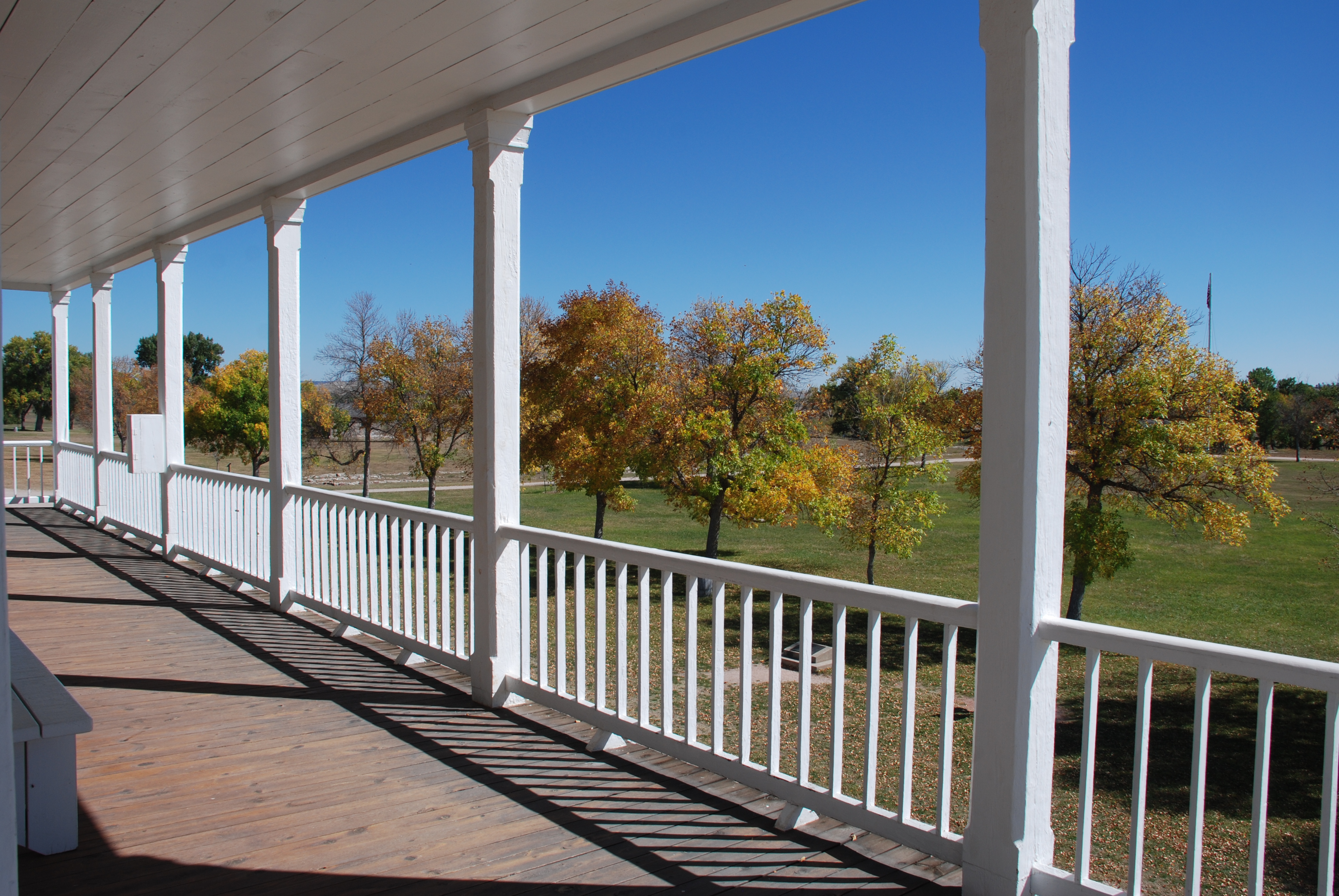
Fort Laramie National Historic Site preserves the "Grand Old Post" that witnessed America's entire western expansion saga from 1834 to 1890. Families can walk through authentic buildings like the Old Bedlam officers' quarters (built in 1849 and considered the oldest military building in Wyoming) and the Magazine powder storage building with its thick stone walls. Unlike other frontier forts, Fort Laramie evolved from a private fur trading post into the largest military installation on the Northern Plains, making it a crossroads where soldiers, traders, pioneers, and Native American tribes all intersected. The post's strategic location along the Oregon, California, and Mormon trails meant it served as both sanctuary and supply point for countless westward-bound families.
Junior Ranger Program at Fort Laramie National Historic Site
The Junior Ranger program at Fort Laramie transforms kids into frontier explorers through engaging activities that teach about pioneer life, military history, and interactions between soldiers, traders, and Native American tribes. Children complete age-appropriate booklets while exploring historic buildings, learning about daily life at the fort, and discovering how this strategic location shaped westward expansion.
- Explore authentic 1800s military barracks and officers' quarters
- Learn about Oregon Trail pioneers and fur trading history
- Participate in hands-on activities about frontier survival skills
Program Details
Best Ages for Fort Laramie National Historic Site
Age ranges are suggested groupings — check at the visitor center for the official Junior Ranger booklet breakdown.
Ages 4–7
Young kids love exploring the spacious fort grounds and peeking into historic buildings like the bakery and blacksmith shop. The wide, flat pathways are perfect for little legs, and the frontier stories capture their imagination as they picture soldiers and pioneers living here long ago.
Ages 8–12
This age group truly connects with the hands-on history as they explore officers' quarters and learn about daily military life on the frontier. Kids enjoy discovering how the fort transformed from trading post to military stronghold and understanding the different people who called Fort Laramie home.
Ages 13+
Teens and adults appreciate the complex history of westward expansion, military strategy, and interactions between different cultures at this crossroads location. The detailed exhibits and preserved architecture provide deeper insight into how this "Grand Old Post" shaped American frontier history.
Planning Your Visit
Getting There
The park sits three miles south of the town of Fort Laramie via State Route 160, with clear signage from both directions. Ample parking accommodates RVs and large vehicles easily, and the entrance is free with no reservations required.
Van & RV Notes
The parking area handles big rigs and Sprinter vans without issue, with plenty of maneuvering room and level surfaces. No overnight camping is available at the fort itself, but nearby Guernsey State Park offers full hookups about 12 miles away.
Best Time to Visit
May through September provides the most comfortable weather and longest daylight hours for exploring outdoor exhibits. Summer can reach over 100°F, so early morning or late afternoon visits work best during peak heat, while spring and fall offer ideal temperatures with fewer crowds.
How Long to Spend
Plan a half-day visit to thoroughly explore the historic buildings and complete the Junior Ranger program. Families who love frontier history often spend 3-4 hours wandering the grounds and reading exhibits.
Don't Miss
Walk through Old Bedlam, Wyoming's oldest military building, where officers' families lived in surprising frontier comfort. The sutler's store gives kids a hands-on feel for frontier commerce, complete with period goods and trading post atmosphere that brings the Wild West to life.
Fun Facts for Kids
Fort Laramie's Old Bedlam building got its nickname because the sound of officers' children playing upstairs reminded people of London's Bedlam psychiatric hospital
The fort's blacksmith shop could repair everything from horseshoes to wagon wheels for the thousands of pioneers passing through on the Oregon Trail
Native American tribes including the Lakota, Cheyenne, and Arapaho regularly came to Fort Laramie for peace negotiations and treaty signings
The post's bakery could produce 300 loaves of bread daily to feed the garrison and sell to passing wagon trains
Plan Your Stay
Save on park entry with the America the Beautiful Pass — $80 for unlimited access to all 400+ National Park sites for a full year.
Where to Stay
Some of the links above are affiliate links. If you book through them, we may earn a small commission at no extra cost to you.
Nearby Parks to Earn More Badges
Agate Fossil Beds National Monument
Scotts Bluff National Monument rises dramatically from the plains 55 miles east, offering families the chance to climb the same landmark that guided Oregon Trail pioneers westward
Scotts Bluff National Monument
Wind Cave National Park lies 120 miles north in South Dakota's Black Hills, where families can explore one of the world's longest caves and see bison roaming the prairie above
Wind Cave National Park
Agate Fossil Beds National Monument sits 65 miles southeast in Nebraska, where kids can discover 20-million-year-old fossils and walk the same Niobrara River valley that ancient mammals once called home
See all Junior Ranger badges
Track your family's progress across every National Park Service site
View Badge Tracker