
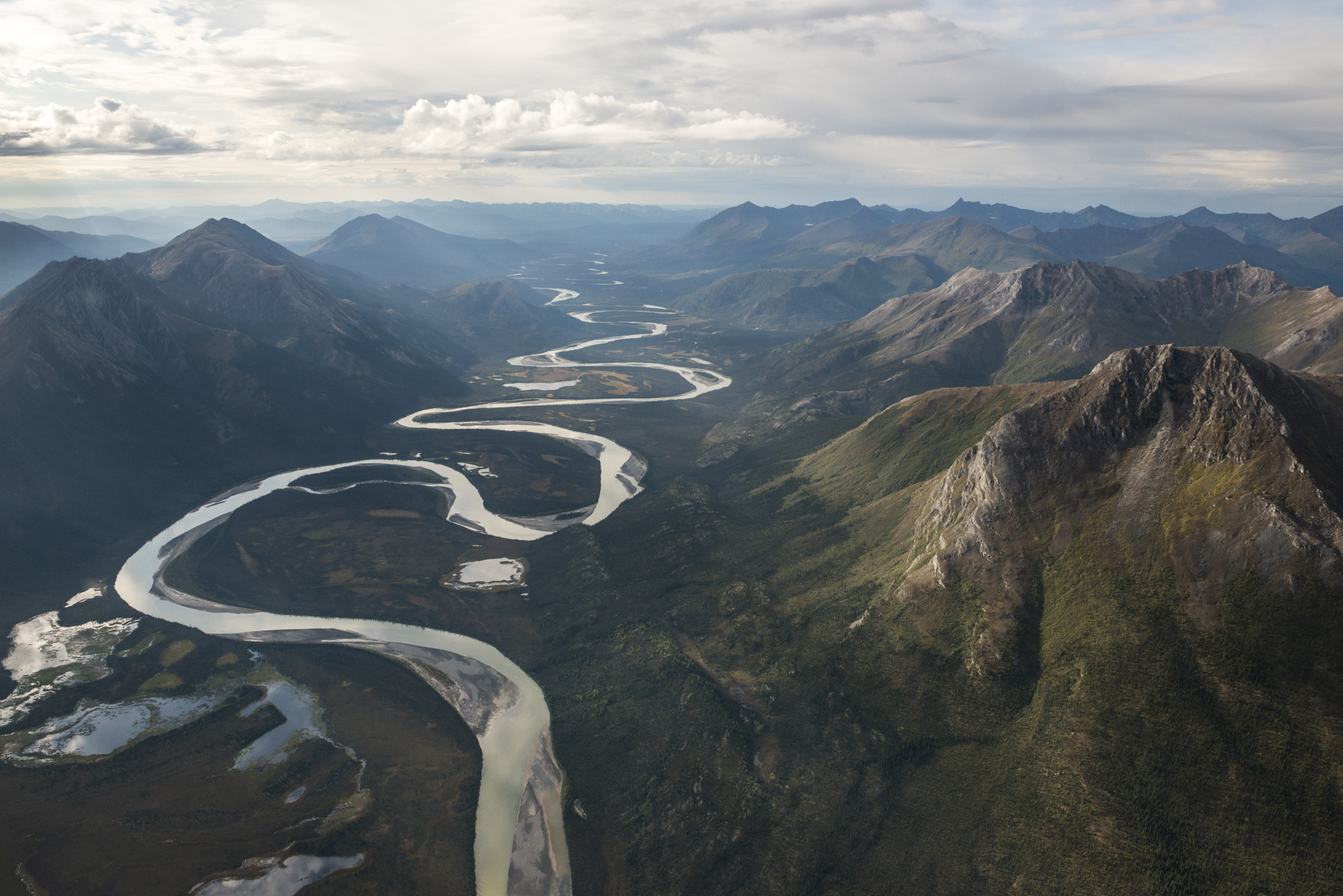
 Photo: NPS Photo / Sean Tevebaugh
Gates Of The Arctic is America's northernmost national park, protecting over 8.4 million acres of pristine Arctic wilderness where the Brooks Range rises dramatically from endless tundra. Families discover a landscape completely untouched by roads or trails, where the Alatna and John Rivers carve through glacier-carved valleys that have remained virtually unchanged for thousands of years. The park encompasses the traditional homeland of the Nunamiut people, whose descendants still live in the remote village of Anaktuvuk Pass within the preserve boundaries. Unlike any other national park, Gates Of The Arctic requires visitors to fly in by bush plane or hike across vast wilderness, making every family visit a true expedition into one of Earth's last frontiers.
Junior Ranger Program at Gates Of The Arctic National Park & Preserve
The Junior Ranger program at Gates Of The Arctic focuses on wilderness survival skills, Arctic wildlife identification, and Leave No Trace principles essential for backcountry exploration. Kids learn about traditional Inupiat culture, Arctic ecology, and how to safely navigate one of America's most remote wilderness areas through hands-on activities and ranger-led discussions.
- Learning traditional Arctic survival skills and wilderness navigation
- Spotting caribou, grizzly bears, and Arctic wildlife in their natural habitat
- Earning badges while exploring America's most remote national park
Program Details
Best Ages for Gates Of The Arctic National Park & Preserve
Ages 5–8
Young kids absolutely love the hands-on permafrost experiment using gelatin, cookies, and ice cream to understand how Arctic ground works. The gold rush activities work best with parents reading together and helping kids imagine what life was like for miners in this remote wilderness.
Ages 9–12
This age group connects well with the wilderness protection activities and can truly grasp why Gates Of The Arctic needs our care. They enjoy researching the challenging life of Brooks Range gold miners and understanding how permafrost creates the green tundra landscape they see around them.
Ages 13+
Teens and adults find the historical research activities engaging, particularly learning about the harsh realities miners faced during the Brooks Range gold rush. The permafrost science experiment helps them understand climate change impacts in Arctic environments, making this program both educational and relevant to current environmental discussions.
Planning Your Visit
Getting There
Access requires flying from Fairbanks to gateway communities like Bettles, Anaktuvuk Pass, or Coldfoot, then arranging bush plane transport or multi-day hiking into the park. Most families work with licensed outfitters who coordinate flights and gear since no roads enter the park. River crossings are typically necessary from hiking access points, requiring careful planning and proper equipment.
Van & RV Notes
Van camping is impossible within the park since no roads exist, but families can base camp in Fairbanks and use their Sprinter for supply runs before flying in. The nearby Dalton Highway offers primitive camping spots for those planning extended wilderness expeditions. All camping within the park is backcountry camping with no facilities whatsoever.
Best Time to Visit
June through August provides the most family-friendly conditions with nearly 24 hours of daylight and temperatures reaching 70°F in valleys, though weather can change rapidly. Early June offers fewer bugs but possible snow, while late August brings fall colors but cooler nights. Winter visits are possible but require extreme cold weather expertise and equipment.
How Long to Spend
Most families plan week-long expeditions since getting there requires significant time and expense, though some opt for day trips from gateway communities. The remote location and lack of infrastructure makes this a true wilderness adventure requiring careful multi-day planning rather than a typical park visit.
Don't Miss
Families consistently treasure the incredible silence and pristine night skies - this park truly offers some of the darkest skies and clearest aurora viewing in North America. The wildlife viewing opportunities are unmatched, with chances to see caribou migrations, grizzly bears, and wolves in their completely natural habitat without human interference.
Fun Facts for Kids
Gates Of The Arctic has no roads, trails, or facilities - making it the most primitive national park in the system
The park protects migration routes used by hundreds of thousands of caribou for over 10,000 years
Summer brings nearly 24 hours of daylight, while winter has extended periods of total darkness
The Nunamiut people still live traditional lifestyles in Anaktuvuk Pass, the only village within the preserve
Plan Your Stay
Save on park entry with the America the Beautiful Pass — $80 for unlimited access to all 400+ National Park sites for a full year.
Where to Stay
Some of the links above are affiliate links. If you book through them, we may earn a small commission at no extra cost to you.
Nearby Parks to Earn More Badges
Denali National Park & Preserve
Denali National Park & Preserve offers families a more accessible Alaska wilderness experience with shuttle buses, established trails, and North America's tallest peak as a dramatic backdrop.
Kenai Fjords National Park
Kenai Fjords National Park provides stunning coastal scenery with boat tours, accessible glaciers, and excellent wildlife viewing from the road-connected town of Seward.
Lake Clark National Park & Preserve
Lake Clark National Park & Preserve combines volcanoes, glaciers, and pristine lakes with world-class fishing and bear viewing opportunities accessible by small aircraft from Anchorage.
See all Junior Ranger badges
Track your family's progress across every National Park Service site
View Badge Tracker