
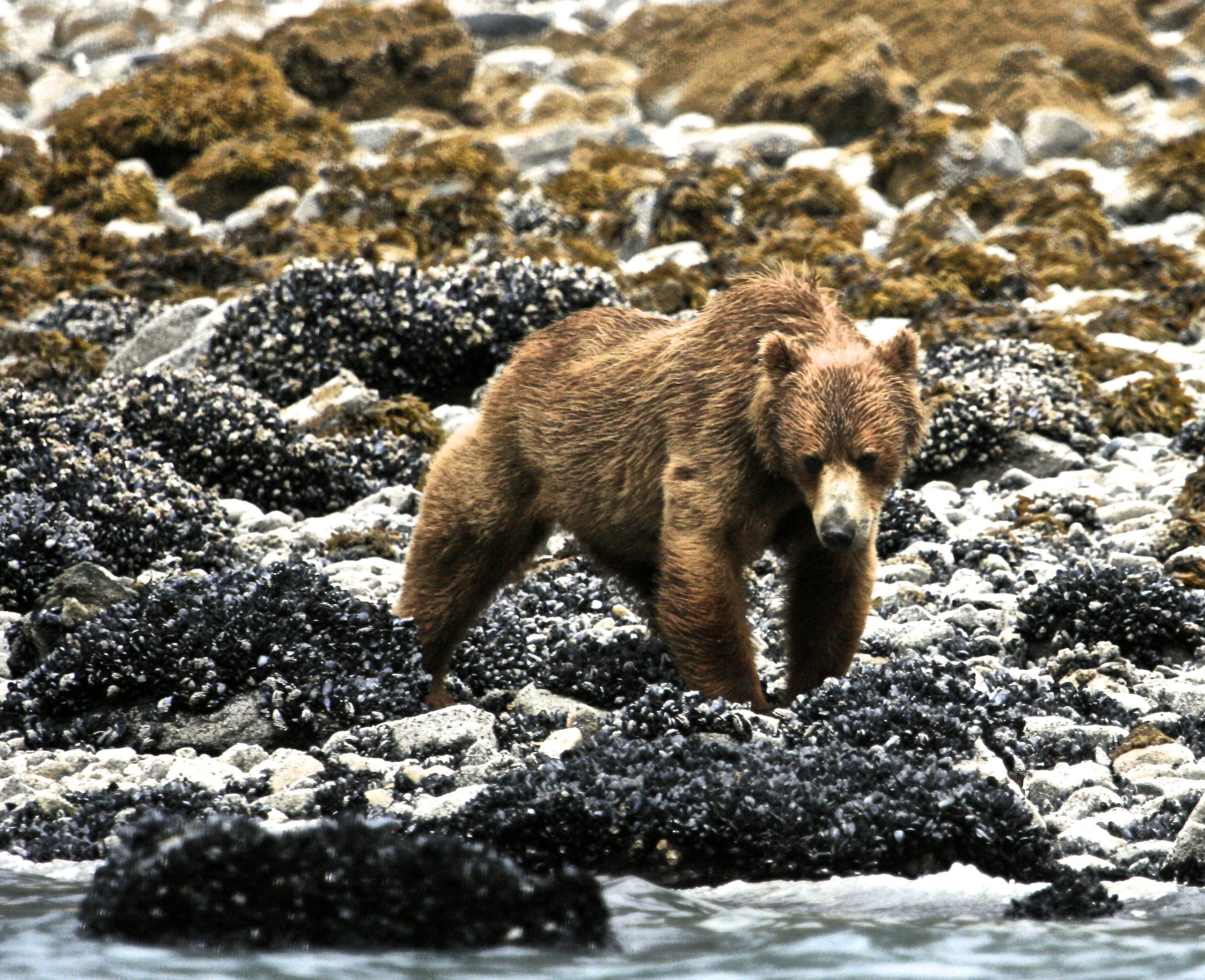
 Photo: NPS Photo / C. Behnke
Glacier Bay National Park & Preserve showcases one of the world's most dramatic examples of glacial retreat, where massive tidewater glaciers calve directly into the sea creating thunderous sounds that carry for miles. Families witness the dynamic landscape where 250 years ago, a single massive glacier filled the entire bay, but today reveals over 65 named glaciers scattered throughout the fjords. The park protects the ancestral homeland of the Huna and Yakutat Lingít peoples, whose villages were buried by advancing ice centuries ago but whose cultural presence remains strong today. From the temperate rainforest trails at Bartlett Cove to the remote wilderness accessed only by boat or plane, this UNESCO World Heritage Site offers families an unparalleled opportunity to experience Alaska's raw natural power.
Junior Ranger Program at Glacier Bay National Park & Preserve
The Junior Ranger program at Glacier Bay combines hands-on learning about glacial science, marine ecosystems, and Tlingit culture through engaging activities and ranger-led programs. Kids complete age-appropriate workbooks while exploring the park's visitor center exhibits and participating in special presentations about glacier formation and wildlife conservation.
- Watch massive glaciers calve into the ocean from scenic viewpoints
- Spot humpback whales, sea otters, and brown bears in their natural habitat
- Learn about Tlingit heritage and traditional connections to this sacred land
Program Details
Best Ages for Glacier Bay National Park & Preserve
Ages 4–8
Young children absolutely love the visitor center exhibits and watching for whales from the lodge deck. The gentle Forest Loop Trail at Bartlett Cove works well for little legs, and ranger programs focus on simple concepts about glaciers and wildlife that capture their imagination.
Ages 9–12
This age group truly engages with the science behind glacier formation and retreat through hands-on activities. They enjoy the longer Bartlett River Trail and can better appreciate the cultural stories of the Tlingit people, making connections between past and present landscapes.
Ages 13+
Teens and adults dive deeper into climate change impacts, glacial geology, and conservation challenges facing the park. They can handle more complex trail systems and appreciate the broader ecological significance of this UNESCO World Heritage Site.
Planning Your Visit
Getting There
Access requires flying into Gustavus (daily Alaska Airlines service from Juneau in summer) or arriving by boat, with a 10-mile road connecting the airfield to park headquarters at Bartlett Cove. Alaska Marine Highway ferries provide regular service from Juneau, and private boats can anchor at designated areas. No entrance fees, but advance planning is essential for this remote location.
Van & RV Notes
Bartlett Cove Campground accommodates RVs and vans with basic sites but no hookups — our Sprinter fits comfortably in the forested sites. The campground operates on a first-come, first-served basis during summer months, and the remote location means careful planning for fuel, groceries, and supplies before arriving.
Best Time to Visit
Visit May through September when the visitor center operates and tour boats run regularly, with July being peak season for wildlife viewing and warmest weather. Early June offers fewer crowds but still-active glaciers, while late August brings peak whale activity as humpbacks feed before migration.
How Long to Spend
Plan at least two full days — one for Bartlett Cove area trails and visitor center programs, plus one for a tour boat excursion to see the glaciers up close, which families consistently rank as their most memorable park experience.
Don't Miss
The tour boat journey to Margerie and Grand Pacific glaciers offers unparalleled opportunities to witness massive ice calving events and spot humpback whales, orcas, and harbor seals. Families also love the peaceful evening walks along Bartlett Cove beach, where whale songs can often be heard across the water without any boat engines interfering.
Fun Facts for Kids
Glacier Bay was completely filled by ice just 250 years ago, making it one of the fastest glacial retreats ever documented by scientists
The park's glaciers calve icebergs so large that boats must maintain a quarter-mile safety distance to avoid dangerous waves
Humpback whales travel over 3,000 miles to feed in Glacier Bay's nutrient-rich waters each summer
The Fairweather Range includes peaks over 15,000 feet tall, creating dramatic backdrops rising directly from sea level
Plan Your Stay
Save on park entry with the America the Beautiful Pass — $80 for unlimited access to all 400+ National Park sites for a full year.
Where to Stay
Some of the links above are affiliate links. If you book through them, we may earn a small commission at no extra cost to you.
Nearby Parks to Earn More Badges
Kenai Fjords National Park
Kenai Fjords National Park offers another spectacular glacier experience with accessible boat tours from Seward and the famous Exit Glacier that families can hike to year-round
Klondike Gold Rush National Historical Park
Klondike Gold Rush National Historical Park in nearby Skagway tells the fascinating story of the 1898 gold rush through historic buildings and ranger-led walking tours perfect for kids
Sitka National Historical Park
Sitka National Historical Park preserves the site where Russian and Tlingit cultures collided, featuring totem poles and cultural demonstrations that complement Glacier Bay's indigenous heritage
See all Junior Ranger badges
Track your family's progress across every National Park Service site
View Badge Tracker