
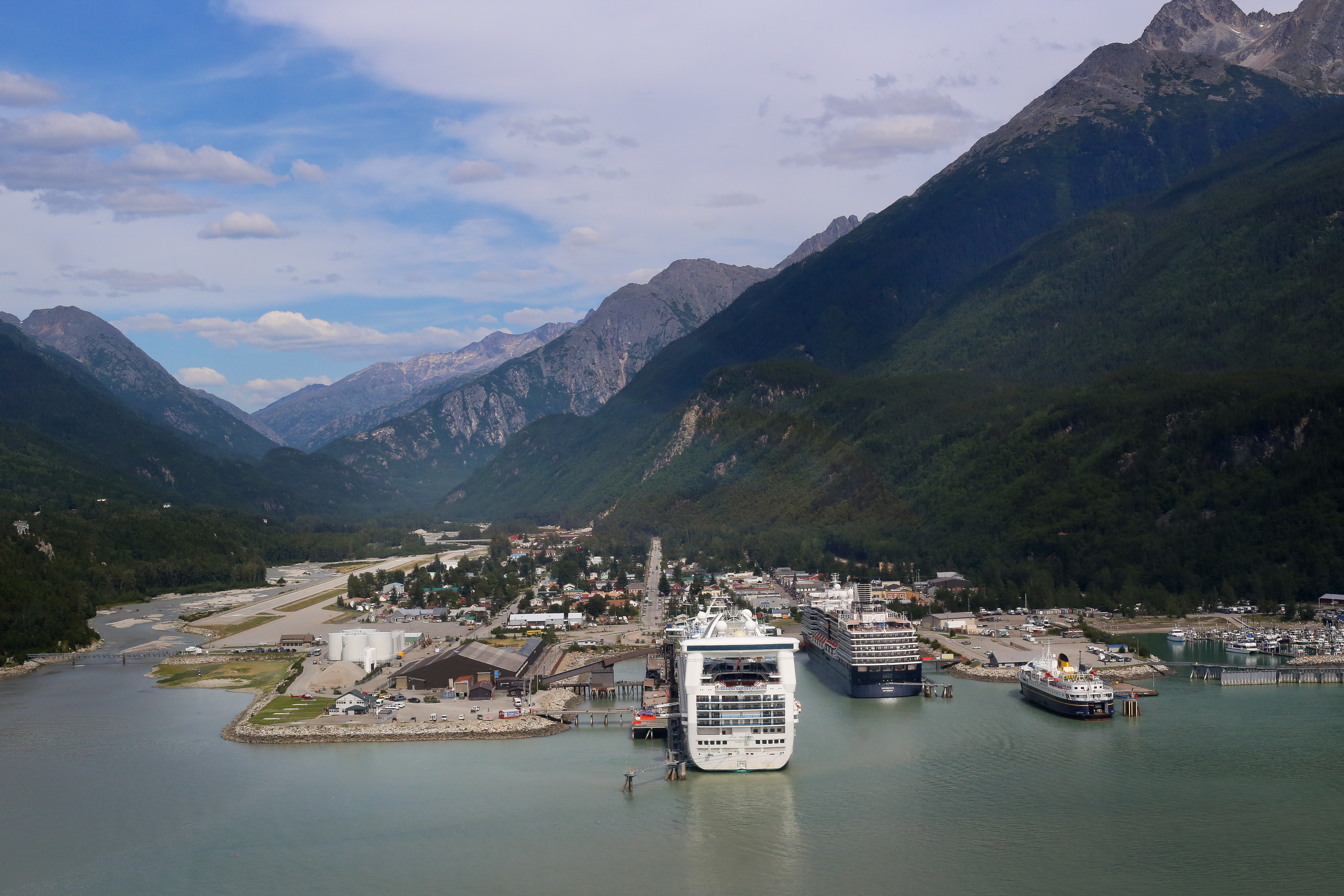
 Photo: NPS Photo/S. Millard
Klondike Gold Rush National Historical Park preserves the Alaska boomtowns of Skagway and Dyea, where over 100,000 stampeders began their 1898 trek over the Chilkoot and White Pass trails. Families walk the same streets where gold seekers set out carrying the mandatory "ton of goods" required by Canadian law. The park preserves over 20 historic structures in Skagway's downtown district, while nature has reclaimed Dyea, creating an atmospheric contrast between thriving preservation and haunting abandonment. Unlike other gold rush sites, this park encompasses the complete story from departure point to mountain passes, offering families both museum exhibits and wilderness hiking experiences.
Junior Ranger Program at Klondike Gold Rush National Historical Park
The Junior Ranger program brings the gold rush era to life through hands-on activities like gold panning demonstrations, exploring historic buildings, and following in the footsteps of determined prospectors. Kids complete engaging activities that teach them about the harsh realities and dreams that defined this pivotal moment in history.
- Try real gold panning techniques with park rangers
- Explore authentic 1890s buildings and artifacts
- Learn about the challenging Chilkoot Trail journey
Program Details
Download Junior Ranger Booklet
Get a head start! Download and print the booklet before your visit.
Source: NPS Junior Ranger Program Page
Best Ages for Klondike Gold Rush National Historical Park
Ages Under 6
Young children need to earn 7+ gold nuggets by completing age-appropriate activities in the booklet. They'll love the simple matching games, connecting dots to reveal historic buildings, and learning about the animals that shared the trails with stampeders. Parents should plan extra time for the outdoor Ton of Goods exhibit where kids can see just how much supplies the gold seekers had to carry.
Ages 6–10
This age group needs to earn 10+ gold nuggets and truly shines with the booklet's hands-on activities like calculating trail distances, unscrambling Tlingit words, and following the river maze from Bennett Lake to Dawson City. Kids this age are fascinated by the pack animal stories and enjoy exploring the historic buildings to complete the business identification activities. The climate change comparison photos really engage their problem-solving skills.
Ages 10 and Over
Older kids and teens need to earn 15+ gold nuggets and can tackle the more complex historical analysis activities, like debating whether the gold discovery led to better lives for everyone. They appreciate the archaeological mysteries of the Buffalo Soldiers artifacts and can handle the emotional weight of the gold rush's impact on Indigenous peoples. The Chilkoot vs. White Pass trail comparison really resonates with this group's growing understanding of difficult choices.
Planning Your Visit
Getting There
The visitor center sits right in downtown Skagway with convenient street parking available near 2nd and Broadway. If arriving by cruise ship, the visitor center is less than half a mile from all docks, making it an easy walk. Van lifers can access Skagway year-round via the Alaska Marine Highway ferry system or drive the scenic South Klondike Highway during summer months.
Van & RV Notes
Our Sprinter fits comfortably in downtown Skagway's street parking, though watch for height restrictions in some covered areas. The nearest full-hookup RV camping is at Garden City RV Park about 2 miles from downtown, or consider the more rustic Dyea Campground for tent camping only. Most van lifers use the ferry terminal area for overnight parking, but check current regulations as policies change seasonally.
Best Time to Visit
Summer months from May through September offer the warmest weather and full access to all historic buildings and trails, though Skagway's climate remains quite variable with frequent rain. July and August bring the largest cruise ship crowds but also the most ranger-led programs and extended hours. Spring and fall visits mean fewer crowds but limited building access and potentially challenging weather for outdoor activities.
How Long to Spend
Plan a full day to complete the Junior Ranger program thoroughly, allowing time to explore multiple historic buildings, visit both the Dyea townsite and Skagway district, and complete the booklet activities. Families often split this over two days if hiking any portion of the Chilkoot Trail.
Don't Miss
The outdoor Ton of Goods exhibit gives kids a visceral understanding of what stampeders actually had to carry — it's shocking even for adults. We absolutely love exploring the abandoned Dyea townsite where nature has reclaimed the buildings, creating an almost mystical atmosphere that sparks incredible conversations about how quickly places can change.
Fun Facts for Kids
The Canadian government's "One Ton Law" required every stampeder to bring 2,000 pounds of supplies — about a year's worth of food and equipment — to prevent starvation in the goldfields
An estimated 3,000 horses died on the White Pass trail, earning it the grim nickname "Dead Horse Trail"
On May 17, 1898, over 7,000 boats departed Lake Bennett within a single hour when the ice finally broke, creating an incredible flotilla racing to the goldfields
Today you can still find the remains of 80 canvas boats abandoned near the top of Chilkoot Pass, preserved by the cold climate for over 125 years
Plan Your Stay
Save on park entry with the America the Beautiful Pass — $80 for unlimited access to all 400+ National Park sites for a full year.
Where to Stay
Some of the links above are affiliate links. If you book through them, we may earn a small commission at no extra cost to you.
Nearby Parks to Earn More Badges
Glacier Bay National Park & Preserve
Glacier Bay National Park & Preserve offers incredible tidewater glacier viewing and whale watching, best accessed by boat tour from nearby Gustavus.
Kenai Fjords National Park
Kenai Fjords National Park features dramatic fjords and marine wildlife viewing from Seward, about a day's drive south through stunning Alaskan scenery.
Sitka National Historical Park
Sitka National Historical Park preserves both Tlingit cultural heritage and Russian colonial history in a beautiful coastal forest setting on Baranof Island.
See all Junior Ranger badges
Track your family's progress across every National Park Service site
View Badge Tracker