
 Photo: Courtesy of J. Frank
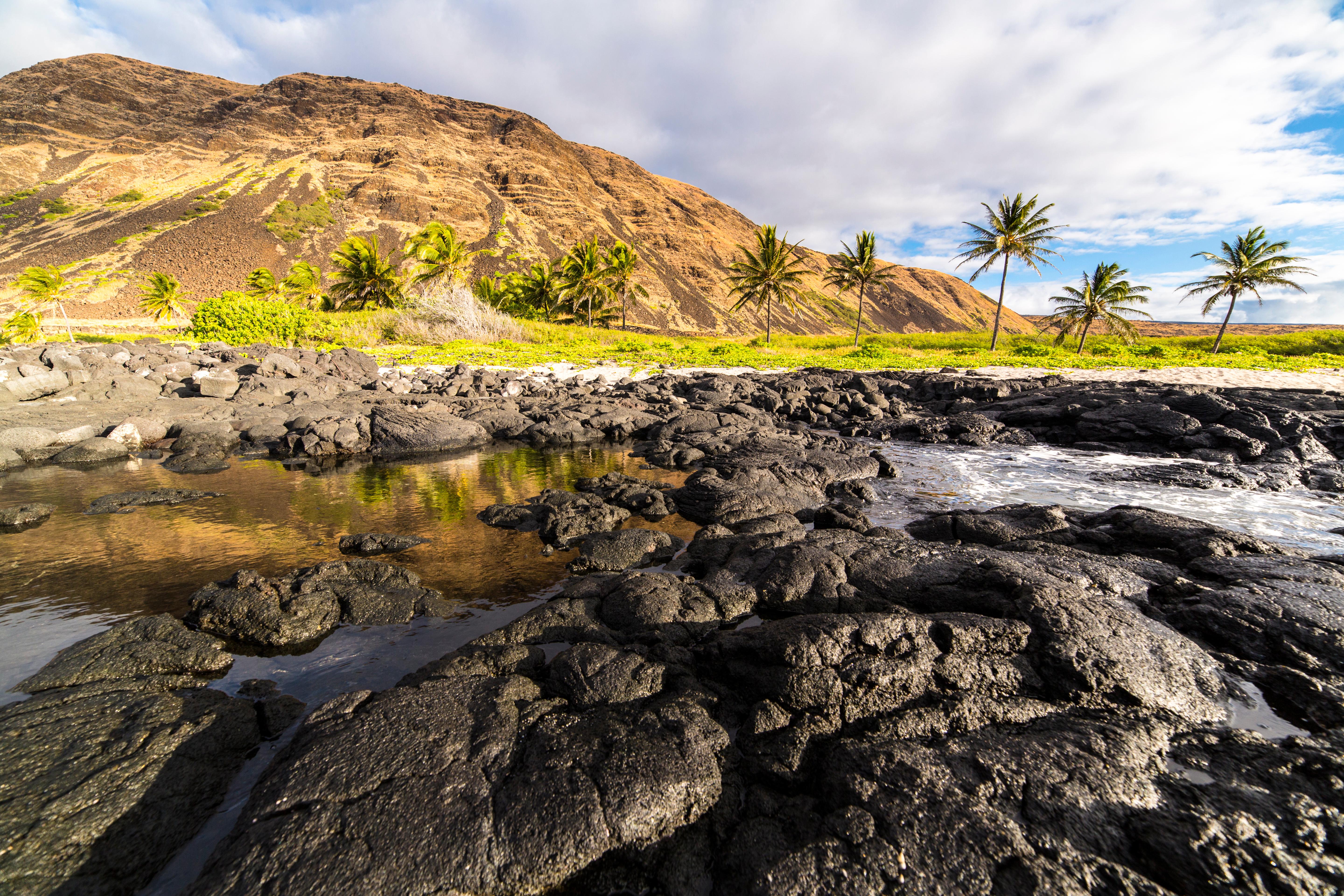
Hawaiʻi Volcanoes National Park protects two of Earth's most active volcanoes, Kīlauea and Mauna Loa, creating landscapes where families can witness ongoing volcanic creation. Kids walk through 500-year-old Nāhuku Lava Tube, explore the hardened lava lake of Kīlauea Iki crater, and spot rare native birds like the bright red ʻiʻiwi feeding on ʻōhiʻa lehua blossoms. The park spans from sea level to 13,680 feet elevation, encompassing desert-like volcanic landscapes, lush rainforests, and coastal plains where ancient Hawaiian petroglyphs tell stories of island life. Unlike other volcanic parks, this is an active system where lava flows continue shaping the Big Island, making each visit potentially unique.
Junior Ranger Program at Hawaiʻi Volcanoes National Park
The Junior Ranger program here transforms young explorers into volcano detectives through hands-on activities about lava formation, native Hawaiian plants, and volcanic safety. Kids complete age-appropriate booklets while hiking easy trails, visiting the Jaggar Museum area, and learning about Hawaiian culture and geology from park rangers.
- Walking through the incredible Nahuku lava tube
- Exploring the dramatic Kilauea Iki crater floor
- Learning about native Hawaiian birds and plants
Program Details
Best Ages for Hawaiʻi Volcanoes National Park
Age ranges are suggested groupings — check at the visitor center for the official Junior Ranger booklet breakdown.
Ages 4–7
Young visitors truly love the easy Devastation Trail, a paved path through landscapes recovering from the 1959 eruption where they can spot new plant growth. The Nāhuku Lava Tube offers an exciting cave adventure that feels like exploring a dragon's lair, while the virtual Junior Ranger activities work perfectly for completing the program from your van or at home.
Ages 8–12
This age group thrives on the Kīlauea Iki Trail, where they can hike down into an actual volcanic crater and walk across hardened lava that was molten just decades ago. Kids love learning about volcanic safety, identifying native Hawaiian plants, and understanding how volcanoes create new land — the hands-on geology lessons here are absolutely captivating for curious minds.
Ages 13+
Teens and adults appreciate the complex geological processes they witness, from understanding plate tectonics to learning about Hawaiian cultural connections to volcanic landscapes. The Puʻuloa Petroglyphs Trail offers deeper cultural learning opportunities, while the park's designation as both an International Biosphere Reserve and UNESCO World Heritage Site adds educational weight to their experience.
Planning Your Visit
Getting There
The park entrance is 30 miles southwest of Hilo (45 minutes) or 96 miles from Kailua-Kona (2-2.5 hours via Highway 11). Park entry costs $30 for private vehicles, valid for 7 days, and the park is open 24 hours daily year-round. No reservations needed for day visits, but popular trails can get busy mid-morning.
Van & RV Notes
Nāmakanipaio Campground accommodates RVs up to 30 feet with no hookups, perfect for our Sprinter van setup. The campground sits at 4,000 feet elevation where temperatures run 12-15 degrees cooler than sea level, so pack layers for comfortable nights. Book well in advance as this is the only developed camping option in the main park area.
Best Time to Visit
Visit any time of year, but April-May and September-November offer the most comfortable hiking temperatures with fewer crowds. Summer brings more families but also hotter conditions on coastal areas, while winter can be rainy and chilly at the summit. Current volcanic activity varies, so check NPS alerts for the latest lava viewing opportunities.
How Long to Spend
Plan a full day minimum to drive both Crater Rim Drive and Chain of Craters Road while completing Junior Ranger activities. Families often spend 2-3 days exploring different elevations and trail systems, from rainforest hikes to volcanic crater walks.
Don't Miss
The Kīlauea Iki Trail offers the incredible experience of hiking across a lava lake that was molten in 1959, while Nāhuku Lava Tube lets kids walk through an actual volcanic cave. Drive Chain of Craters Road to the coast where you can see how volcanic activity has created new black sand beaches and dramatically altered the coastline over recent decades.
Fun Facts for Kids
Kīlauea has been erupting almost continuously since 1983, making it one of the world's most active volcanoes
The Hawaiian word 'aloha' means both hello and goodbye, but it also means love and compassion
Native Hawaiian ʻōhiʻa trees are often the first plants to grow on new lava rock, sometimes sprouting directly from cracks in hardened lava
The park protects more than 23 endangered and threatened species found nowhere else on Earth
Plan Your Stay
Save on park entry with the America the Beautiful Pass — $80 for unlimited access to all 400+ National Park sites for a full year.
Where to Stay
Some of the links above are affiliate links. If you book through them, we may earn a small commission at no extra cost to you.
Nearby Parks to Earn More Badges
Golden Gate National Recreation Area
Golden Gate National Recreation Area offers families coastal trails and historic sites around San Francisco Bay, plus easy city access for exploring after volcano adventures.
Muir Woods National Monument
Muir Woods National Monument protects towering coastal redwoods where kids can experience ancient giants completely different from volcanic landscapes.
Point Reyes National Seashore
Point Reyes National Seashore provides dramatic Pacific coastline with lighthouse visits and wildlife watching, perfect for families seeking ocean experiences.
See all Junior Ranger badges
Track your family's progress across every National Park Service site
View Badge Tracker