
Homestead National Historical Park
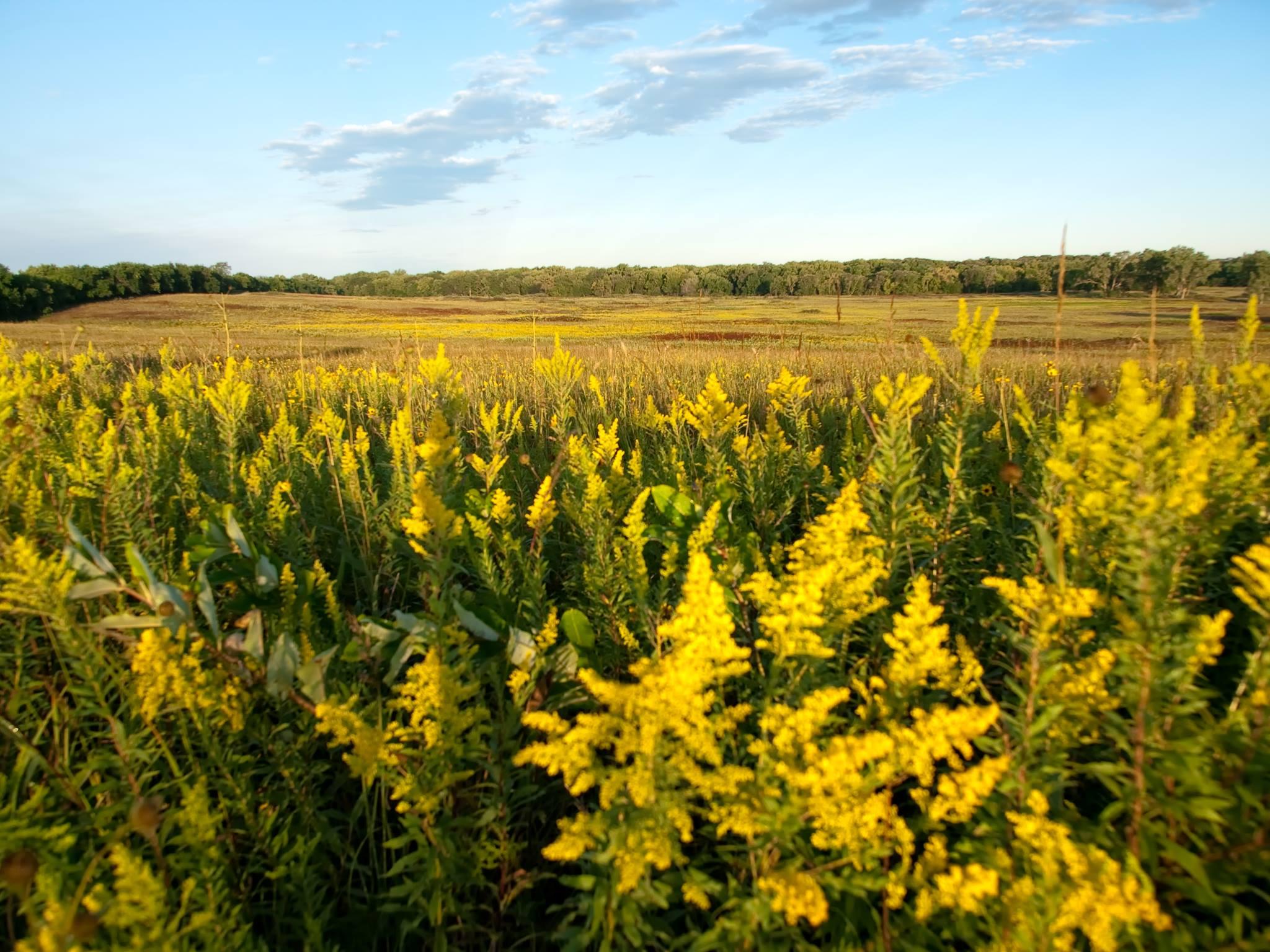
Homestead National Historical Park sits on the exact site of one of the first successful homestead claims under the 1862 Homestead Act, filed by Daniel Freeman on January 1, 1863. Families explore the original Palmer-Epard Cabin, a restored one-room log home that shows how homesteading families truly lived on the prairie. The park preserves 211 acres of tallgrass prairie ecosystem, where native grasses can grow over six feet tall. What sets Homestead apart from other historic sites is its combination of authentic homestead buildings with miles of prairie trails where kids can experience the vastness that challenged pioneer families.
Junior Ranger Program at Homestead National Historical Park
The Junior Ranger program here immerses kids in authentic homesteading experiences through interactive activities like exploring the historic Palmer-Epard Cabin and learning about prairie life. Children complete age-appropriate activities in their Junior Ranger booklet, discovering how families survived and thrived on the Great Plains. Upon completion, young rangers earn their official badge and certificate from a park ranger.
- Explore a real 1860s homestead cabin and imagine frontier family life
- Walk the Heritage Trail through native tallgrass prairie
- Learn hands-on skills like butter churning and traditional crafts
Program Details
Our Earned Badge
Best Ages for Homestead National Historical Park
Ages 4–8
Young children love exploring the Palmer-Epard Cabin and imagining pioneer family life in the one-room space. The short prairie trails near the visitor centers work well for little legs, and they enjoy spotting butterflies and grasshoppers in the tallgrass. The booklet activities focus on simple observations and creative activities that match their developmental stage.
Ages 9–12
This age group truly connects with the homesteading story and can handle the full trail system through the prairie and woodland areas. They enjoy the hands-on activities at the Education Center and can complete more detailed booklet sections about prairie ecosystems and homestead life. The museum exhibits capture their attention with artifacts and interactive displays about the Homestead Act's impact.
Ages 13+
Teens and adults can tackle the challenging Not-so Junior Ranger program, which includes researching actual homestead records and conducting detailed prairie species studies. They appreciate the broader historical significance of how the Homestead Act transformed America and affected Indigenous communities. The program encourages critical thinking about westward expansion's complex legacy.
Planning Your Visit
Getting There
The park sits 4 miles west of Beatrice on Highway 4, with clear signage directing you to different buildings once you enter the park grounds. Parking at both visitor centers easily accommodates RVs and larger vehicles with plenty of space to maneuver. No reservations needed for general visits, though group tours should call ahead.
Van & RV Notes
The visitor center parking areas work perfectly for Sprinter vans and larger RVs with no height or length restrictions. No overnight camping is available at the park itself, but nearby Beatrice offers several RV-friendly campgrounds within 10 minutes of the park. The level parking areas make this an easy stop for families traveling in larger rigs.
Best Time to Visit
Late spring through early fall offers the best weather for exploring the prairie trails, with wildflowers peaking in May and June. Summer can bring intense heat and thunderstorms, but the visitor centers provide welcome air conditioning breaks. Winter visits are possible but focus more on indoor exhibits since prairie trails can be challenging in snow and wind.
How Long to Spend
Plan a half-day visit to complete the Junior Ranger program and explore the main historic buildings and short trails. Families interested in hiking the full trail system or participating in living history demonstrations at the Education Center should plan a full day.
Don't Miss
The Palmer-Epard Cabin gives families the most authentic feel for homestead life - kids are amazed by how an entire family lived in such a small space. Walking the prairie trails during wildflower season truly shows the landscape that challenged and inspired homesteaders, with native grasses towering over children's heads exactly as they did 160 years ago.
Fun Facts for Kids
Over 1.6 million homestead applications were filed, and about 40% of homesteaders were successful in proving up their claims after five years
The tallgrass prairie at Homestead can grow over 8 feet tall, with roots extending 15 feet deep into the soil
Women could file homestead claims on their own, making this one of the first federal programs to treat women as equals to men
The park preserves one of the last remnants of tallgrass prairie that once covered 170 million acres of North America
Plan Your Stay
Save on park entry with the America the Beautiful Pass — $80 for unlimited access to all 400+ National Park sites for a full year.
Where to Stay
Some of the links above are affiliate links. If you book through them, we may earn a small commission at no extra cost to you.
Nearby Parks to Earn More Badges
Brown v. Board of Education National Historical Park
Tallgrass Prairie National Preserve in Kansas offers families the chance to experience an even larger prairie ecosystem with bison herds and a historic limestone ranch house.
Night Explorer Program
Brown v. Board of Education National Historical Park in Topeka tells the story of the landmark Supreme Court case through the restored Monroe Elementary School where the case originated.
Tallgrass Prairie National Preserve
Many parks offer Night Explorer programs during summer months - check with local visitor centers for astronomy programs and night hikes that complement your homesteading adventure.
See all Junior Ranger badges
Track your family's progress across every National Park Service site
View Badge Tracker