
 Photo: NPS/Brad Sutton
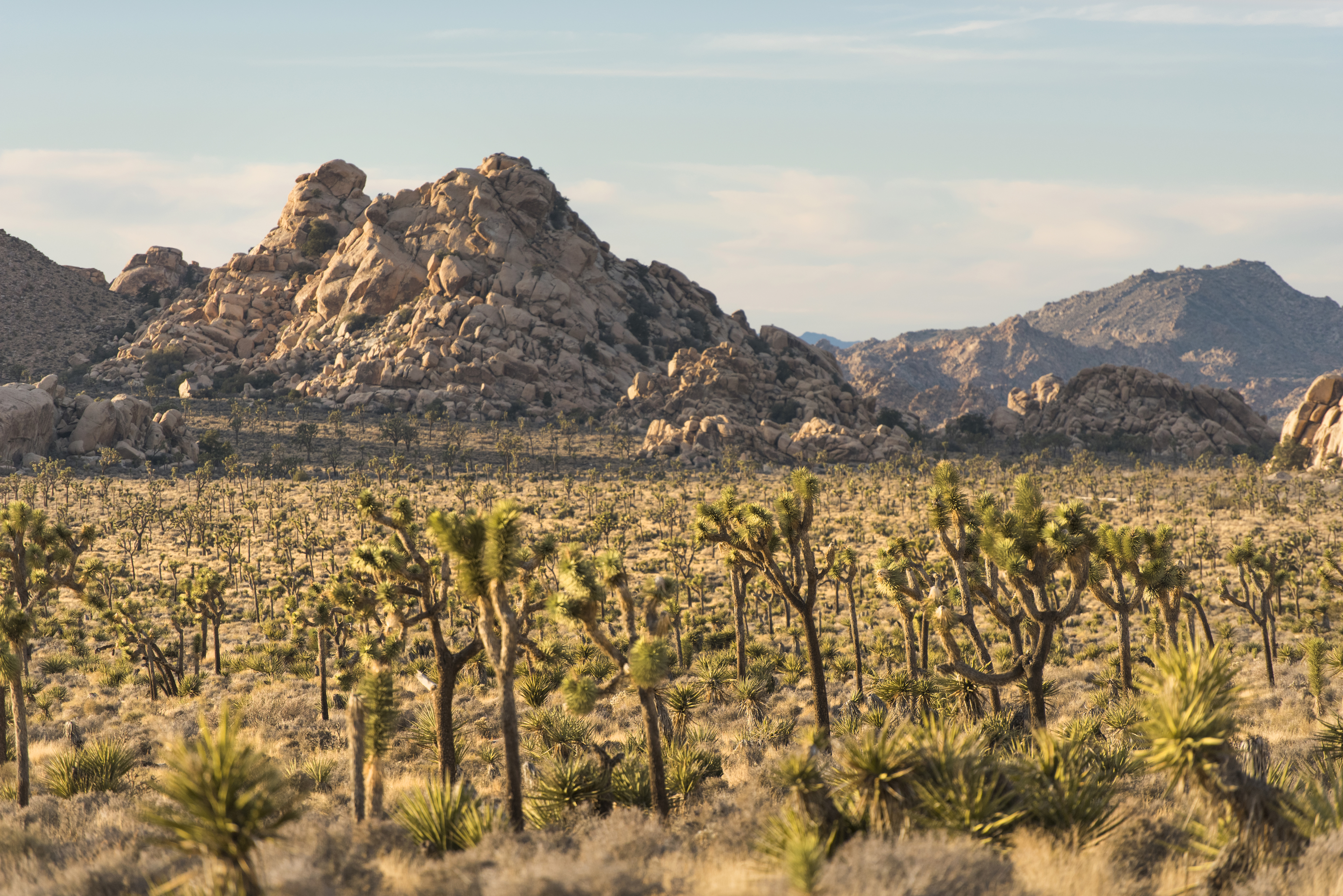
Joshua Tree National Park sits at the intersection of two distinct desert ecosystems—the higher Mojave Desert (home to the iconic Joshua trees) and the lower Colorado Desert (dominated by cholla cacti and ocotillo). The park's massive granite boulder formations were created by underground magma cooling slowly into monzogranite, later exposed and sculpted by millions of years of weathering into today's climbing wonderland. Families discover hidden fan palm oases like Fortynine Palms, remnants of ancient lakes that sustained indigenous peoples for thousands of years. The park's elevation ranges from 1,000 to 5,814 feet, creating diverse microclimates where desert bighorn sheep navigate rocky terrain and roadrunners dart between creosote bushes.
Junior Ranger Program at Joshua Tree National Park
The Junior Ranger program at Joshua Tree engages kids through hands-on desert exploration activities, teaching them about desert survival, unique plant adaptations, and the park's incredible wildlife. Children complete age-appropriate booklets while discovering how animals and plants thrive in this harsh but beautiful environment, earning their official Junior Ranger badge through interactive learning adventures.
- Scrambling on kid-friendly boulder formations
- Spotting desert wildlife like roadrunners and jackrabbits
- Learning desert survival skills and plant adaptations
Program Details
Our Earned Badge
Best Ages for Joshua Tree National Park
Age ranges are suggested groupings — check at the visitor center for the official Junior Ranger booklet breakdown.
Ages 4–7
Younger children love the easy quarter-mile Cholla Cactus Garden walk where they can safely observe the 'teddy bear' cacti up close. The relatively flat Skull Rock trail captivates them with boulder scrambling opportunities and the chance to spot the famous skull-shaped formation. Keep activities short during desert visits, as this age group tires quickly in the heat and vastness.
Ages 8–12
School-age kids excel at the full Skull Rock loop trail and enjoy learning about desert animal adaptations during the Barker Dam hike. They're fascinated by the park's mining history visible along trails and love participating in ranger-led evening programs under the incredible dark skies. This age group handles longer walks well and asks excellent questions about how plants and animals survive in extreme desert conditions.
Ages 13+
Teens and adults appreciate the challenging 3-mile Fortynine Palms Oasis hike and the park's world-class rock climbing opportunities among the granite formations. They're drawn to the park's astrophotography potential and enjoy deeper discussions about desert ecology and indigenous cultural history. This age group can tackle the more strenuous Boy Scout Trail through Wonderland of Rocks and fully appreciate evening programs about desert survival strategies.
Planning Your Visit
Getting There
The park has three main entrances: West Entrance near the town of Joshua Tree (most popular for families), North Entrance near Twentynine Palms, and South Entrance from I-10. No reservations needed for day visits, and parking is generally available at major trailheads, though Skull Rock and Cholla Cactus Garden lots fill up on busy weekends. The park operates on a pay-per-vehicle system with self-serve fee stations at each entrance.
Van & RV Notes
Our Sprinter van fits comfortably at Jumbo Rocks and Hidden Valley campgrounds, both offering sites suitable for rigs up to 25 feet without hookups. The park's roads accommodate larger vehicles well, though some backcountry roads require high clearance. Dump stations are available at Black Rock and Indian Cove campgrounds, making Joshua Tree van-friendly for extended stays during the comfortable shoulder seasons.
Best Time to Visit
October through April offers the most family-friendly weather, with March and April being peak wildflower season when desert blooms create spectacular color displays. Summer temperatures exceed 100°F regularly, making hiking dangerous during midday hours. Winter brings surprisingly cold nights (often freezing) but perfect daytime temperatures for exploring, plus the park's famous dark skies are most spectacular during longer winter nights.
How Long to Spend
Plan a full day to experience both the Mojave and Colorado desert sections, including easy family hikes and time for boulder scrambling. Many families extend their visit to 2-3 days to fully explore the park's diverse ecosystems, enjoy evening ranger programs, and experience the incredible night sky without rushing.
Don't Miss
The evening ranger programs showcase Joshua Tree's status as an International Dark Sky Park—kids are absolutely amazed by the Milky Way visibility here. Families consistently love the combination of Skull Rock trail and nearby boulder scrambling at Jumbo Rocks, where children can safely explore the granite formations that make this park a world-renowned climbing destination.
Fun Facts for Kids
Joshua trees aren't actually trees—they're the world's largest yucca plants and can live over 150 years, growing only about an inch per year
The park contains over 8,000 climbing routes among its granite boulder formations, created by underground magma that cooled and crystallized millions of years ago
Desert tortoises spend up to 95% of their lives underground in burrows to escape extreme temperatures and can live over 100 years
Joshua Tree is designated as an International Dark Sky Park, with some areas showing night sky darkness comparable to what settlers saw 150 years ago
Plan Your Stay
Save on park entry with the America the Beautiful Pass — $80 for unlimited access to all 400+ National Park sites for a full year.
Where to Stay
Some of the links above are affiliate links. If you book through them, we may earn a small commission at no extra cost to you.
Nearby Parks to Earn More Badges
Cabrillo National Monument
Cabrillo National Monument in San Diego offers tide pooling and lighthouse history, perfect for families wanting coastal exploration after desert adventures
Lake Mead National Recreation Area
Mojave National Preserve extends the desert experience with massive sand dunes at Kelso Depot and the world's largest Joshua tree forest
Mojave National Preserve
Lake Mead National Recreation Area provides water activities and dramatic desert lake scenery, ideal for families seeking swimming and boating opportunities
See all Junior Ranger badges
Track your family's progress across every National Park Service site
View Badge Tracker