
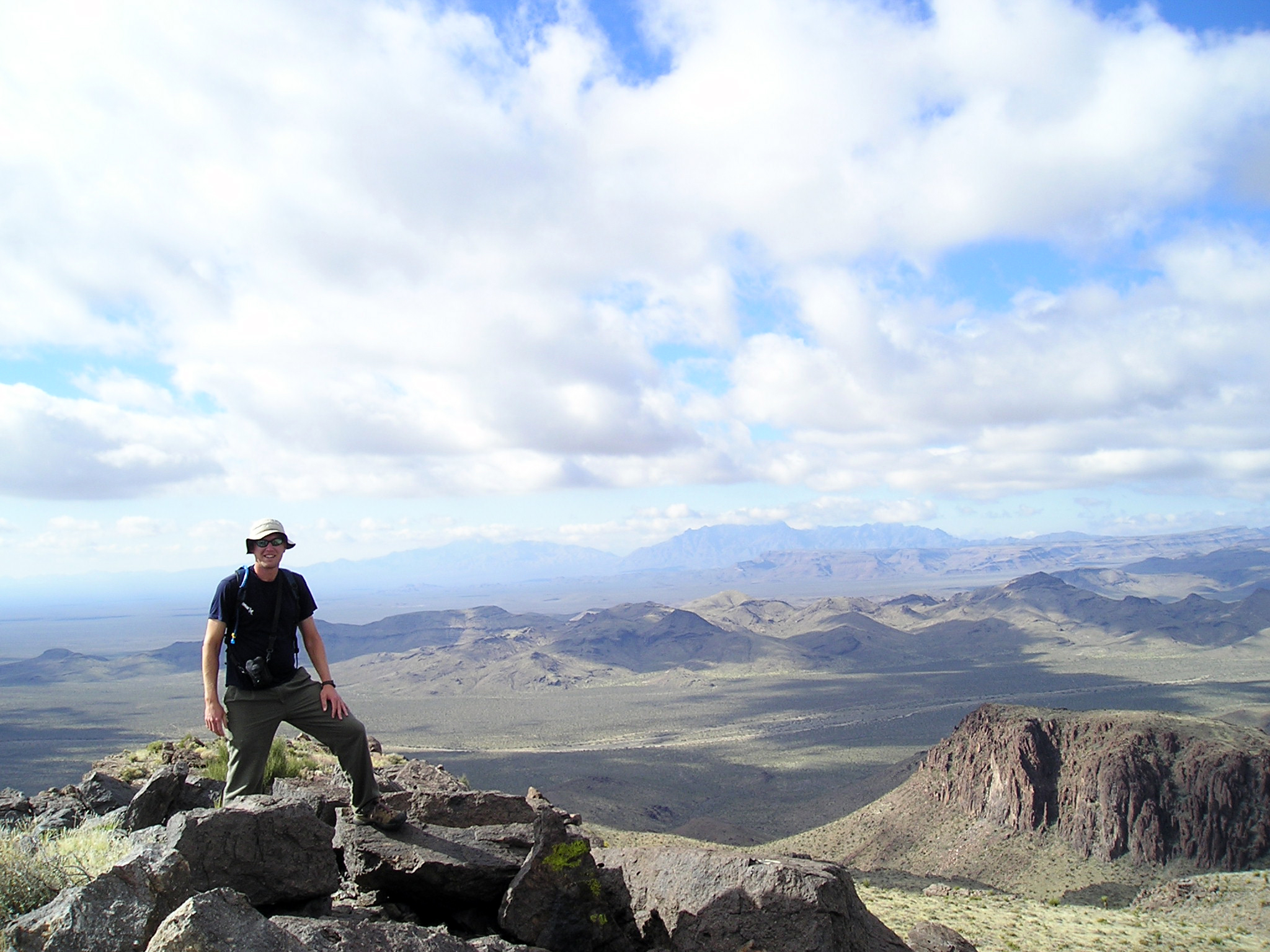
Mojave National Preserve protects the largest Joshua tree forest in the world, with some trees standing over 40 feet tall and living for centuries in this harsh desert environment. Families can explore singing sand dunes at Kelso, where the shifting sands create haunting musical tones, and venture into 27,000-year-old lava tubes formed when molten rock flowed beneath a hardened crust. The preserve's 1.6 million acres encompass dramatic granite peaks, ancient petroglyphs at Hole-in-the-Rock, and remnants of mining and railroad history. Unlike other desert parks, Mojave offers incredible night sky viewing with minimal light pollution across its vast wilderness.
Junior Ranger Program at Mojave National Preserve
The Junior Ranger program at Mojave National Preserve encourages kids to become desert detectives through hands-on activities and exploration. Children complete activity booklets featuring desert ecology, wildlife tracking, and geological discoveries while learning about the unique plants and animals that call this harsh yet beautiful landscape home.
- Climb and play on the famous Kelso Dunes that 'sing' when the sand shifts
- Spot desert tortoises, bighorn sheep, and roadrunners in their natural habitat
- Explore the historic Kelso Depot and learn about desert railroad history
Program Details
Best Ages for Mojave National Preserve
Age ranges are suggested groupings — check at the visitor center for the official Junior Ranger booklet breakdown.
Ages 4–7
Young children love searching for desert animals in the activity booklet and learning about Joshua trees along Cima Road. The easy walk around Kelso Depot and short explorations of lava tubes work well for this age group. Keep activities brief due to desert heat and bring extra water for little ones.
Ages 8–12
This age group thrives on the preserve's hands-on desert detective activities and wildlife tracking exercises. Kids can handle moderate hikes like the Rings Loop Trail to see petroglyphs and enjoy climbing the metal rings. The geological discoveries and learning about desert adaptations really engage their curiosity.
Ages 13+
Teens and adults can tackle challenging hikes like Teutonia Peak to see fire-damaged Joshua trees up close and the full Kelso Dunes climb. The Night Explorer program particularly appeals to this age group with its focus on astronomy and dark sky preservation. The railroad history and mining heritage provide engaging historical context for older participants.
Planning Your Visit
Getting There
The preserve is open 24 hours with no entrance fees, but fuel up before entering as no gas is available inside. Kelso Depot Visitor Center is currently closed for renovations, so contact park headquarters in Barstow for current information and maps. Cell coverage is extremely limited throughout most areas of the preserve.
Van & RV Notes
The preserve accommodates large RVs and vans on main roads like Kelbaker and Kelso-Cima Roads, though some backcountry roads have clearance restrictions. Hole-in-the-Wall and Mid Hills Campgrounds can handle most RV sizes, with Mid Hills offering more level sites for larger rigs. No hookups are available, so plan for dry camping with full water tanks.
Best Time to Visit
October through April provides the most comfortable temperatures for families, with winter potentially bringing snow to higher elevations like the New York Mountains. Spring wildflower blooms can carpet the desert floor if winter moisture was adequate. Summer temperatures routinely exceed 100°F, making early morning or higher elevation areas like Mid Hills the only viable options.
How Long to Spend
Plan a full day to experience key highlights like Kelso Dunes, Hole-in-the-Rock petroglyphs, and lava tube exploration. Families often enjoy a two-day visit to fully appreciate both the southern areas around Kelso and northern Joshua tree forests along Cima Road without rushing.
Don't Miss
The Kelso Dunes hike offers the rare chance to hear sand dunes "sing" when conditions are right, creating an otherworldly experience kids never forget. Exploring the lava tubes provides a unique underground adventure where families can see how volcanic activity shaped this landscape 27,000 years ago.
Fun Facts for Kids
The Kelso Dunes can produce haunting musical tones when the sand grains slide down the steep faces, earning them the nickname "singing sands"
Some Joshua trees in the preserve are over 200 years old and grow only about one inch per year in this harsh desert environment
The preserve contains lava tubes formed 27,000 years ago that stay naturally cool inside, providing refuge from desert heat
Mojave protects the world's largest Joshua tree forest, with the densest concentration found along Cima Road
Plan Your Stay
Save on park entry with the America the Beautiful Pass — $80 for unlimited access to all 400+ National Park sites for a full year.
Where to Stay
Some of the links above are affiliate links. If you book through them, we may earn a small commission at no extra cost to you.
Nearby Parks to Earn More Badges
Death Valley National Park
Death Valley National Park offers families the chance to explore the lowest point in North America at Badwater Basin and see spectacular wildflower blooms in spring.
Joshua Tree National Park
Joshua Tree National Park features incredible rock formations perfect for scrambling and two distinct desert ecosystems where the Mojave and Colorado deserts meet.
Lake Mead National Recreation Area
Lake Mead National Recreation Area provides water-based family fun with swimming, boating, and fishing opportunities just 90 miles east in Nevada.
See all Junior Ranger badges
Track your family's progress across every National Park Service site
View Badge Tracker