
 Photo: NPS Photo
Unlike most national historic trails, the Anza Trail isn't one continuous path you can drive start to finish — it's a 1,200-mile corridor of independently managed segments stretching from Nogales, Arizona to the San Francisco Bay, retracing the 1775-76 expedition led by Juan Bautista de Anza through the homelands of more than 70 Tribal communities. Families might hike shaded cottonwood galleries along the Santa Cruz River between Tumacácori National Historical Park and Tubac Presidio State Historic Park one week, then walk grassland segments through Fort Ord National Monument near Monterey the next. We love that the trail stitches together missions, rivers, deserts, and coastline into one rolling story, so no two stops feel the same even though they're all connected by the same historic journey. It's a trail that rewards families willing to plan a route rather than show up at a single gate, which makes it feel more like a treasure hunt through California and Arizona history than a typical park visit.
Junior Ranger Program at Juan Bautista de Anza National Historic Trail
Since this trail spans two states and dozens of sites, junior rangers complete a workbook that encourages kids to visit multiple trail segments, learn about the expedition's route, culture, and challenges, and discover how history shaped the California coast they see today. Activities often include map-reading exercises, journaling like the expedition's diarist, and spotting plants and animals the original travelers encountered.
- Follow in the footsteps of over 240 original expedition members, including women and children just like your own crew
- Spot historic markers and mission sites along the way, turning every rest stop into a mini history lesson
- Explore diverse landscapes in one trip, from Sonoran Desert dunes to San Francisco Bay overlooks
Program Details
Best Ages for Juan Bautista de Anza National Historic Trail
Ages 4-6
Little ones do best on short, flat segments like the paved urban path through Moreno Valley, where they can spot plants and birds without a long hike. Skip the strenuous Fort Ord or Arrowhead Loop segments at this age, and keep expectations simple — a short walk and a few workbook pages is a win.
Ages 7-10
This age typically enjoys the journaling and map-reading activities mentioned in the trail's workbook, especially on segments like the Tumacácori-to-Tubac hike through cottonwood groves, where history feels tangible. The 5.62-mile Delta de Anza/Mokelumne Loop is doable for energetic kids in this range but has steep inclines worth pacing for.
Ages 11+
Older kids and teens can tackle the more demanding segments, like the 4.5-mile Fort Ord National Monument crossing or the 4-mile Arrowhead Loop through Coyote Valley Open Space Preserve, both rated strenuous or challenging. These ages also get the most out of researching the expedition's route and cultural impact, since the workbook encourages deeper reflection on history and the landscape's transformation.
Planning Your Visit
Getting There
Because the trail isn't a single destination, getting there means choosing which segment to visit first — popular access points include Tubac and Tumacácori in Arizona, or trailheads near Moreno Valley and Fort Ord in California. Each site is independently managed, so check parking and access details directly with that location rather than relying on one central visitor center.
Van & RV Notes
Trailhead parking varies by segment and isn't designed with RVs in mind, so we scout satellite imagery or call ahead before bringing a high-roof Sprinter to smaller lots near Coyote Valley or Fort Ord. Overnight camping isn't available at trail segments themselves, so plan to stay at nearby public lands, state parks, or dispersed sites and drive in for day hikes.
Best Time to Visit
Fall through spring is best for the Arizona and Southern California desert segments, where summer heat along the Santa Cruz River and Tumacácori-to-Tubac stretch can be intense. California coastal segments near Fort Ord and the Bay Area stay hikeable nearly year-round, with spring offering the greenest grasslands.
How Long to Spend
Plan this as a multi-day or multi-trip experience rather than a single visit — families who want to sample several segments across Arizona and California should budget at least a long weekend, with more time if chasing the full 1,200-mile corridor.
Don't Miss
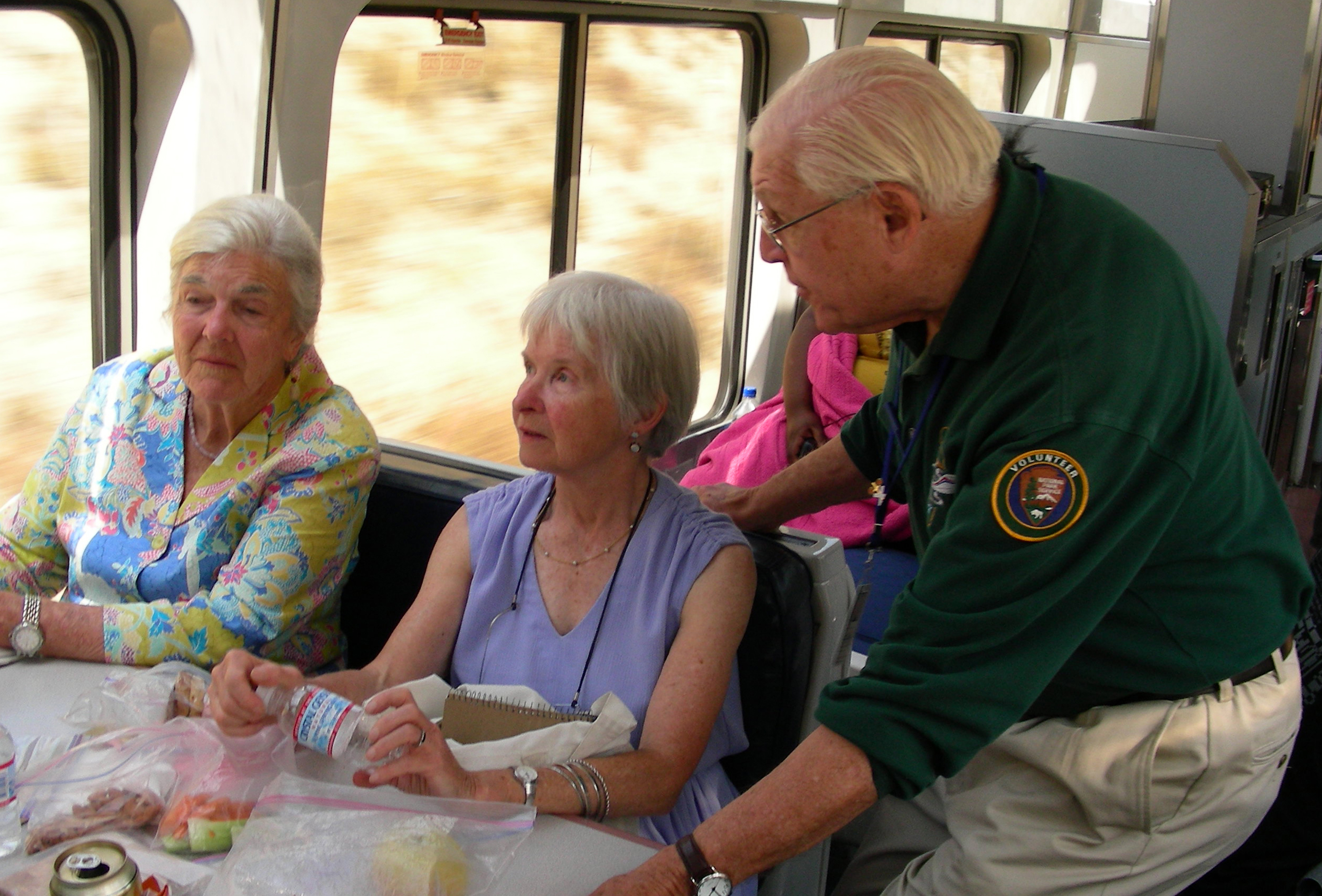
The shaded, six-mile stretch between Tumacácori National Historical Park and Tubac Presidio State Historic Park is a favorite for its mesquite bosques and cottonwood galleries that make the expedition's journey feel real. For a completely different angle, riding Amtrak's Coast Starlight with NPS volunteer historians lets families experience coastal trail segments from the comfort of a train seat.
Fun Facts for Kids
The Anza Trail stretches roughly 1,200 miles, connecting Nogales, Arizona to the San Francisco Bay Area.
The trail passes through the homelands of more than 70 Tribal communities, each with its own history along the route.
One segment runs through Fort Ord National Monument, where hikers cross open grasslands once used as a military training area.
Volunteer NPS historians ride along on Amtrak's Coast Starlight in summer to share stories about the trail with train passengers between Santa Barbara and San Jose.
Plan Your Stay
Save on park entry with the America the Beautiful Pass — $80 for unlimited access to all 400+ National Park sites for a full year.
Where to Stay
Some of the links above are affiliate links. If you book through them, we may earn a small commission at no extra cost to you.
Nearby Parks to Earn More Badges
Cabrillo National Monument
Cabrillo National Monument sits near the trail's southern coastal reach and offers tide pools and sweeping views over San Diego Bay, a nice coastal contrast to the Anza Trail's desert segments.
Joshua Tree National Park
Joshua Tree National Park gives families a dramatic desert landscape with its namesake trees and boulder scrambles, a worthwhile detour from the trail's Southern California stretches.
Santa Monica Mountains National Recreation Area
Santa Monica Mountains National Recreation Area offers accessible coastal and canyon trails close to several Anza Trail segments in the Los Angeles area, making it an easy add-on for families already exploring that region.
See all Junior Ranger badges
Track your family's progress across every National Park Service site
View Badge Tracker