
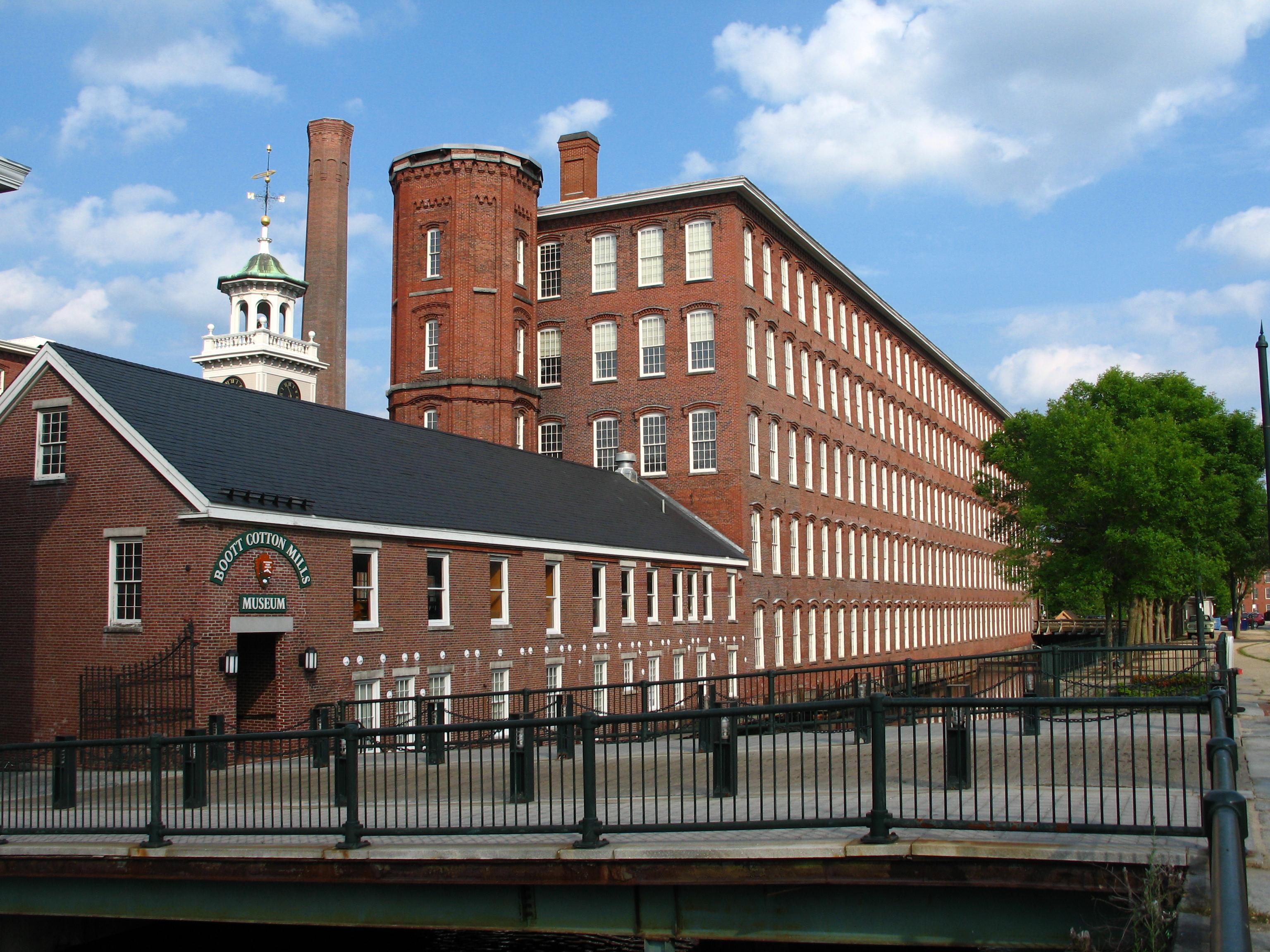
Lowell National Historical Park preserves the birthplace of America's Industrial Revolution, where the world's first successful planned industrial city transformed textile production through an intricate system of power canals still visible today. Families explore authentic 19th-century mill buildings at the Boott Cotton Mills Museum, where massive working looms demonstrate the deafening conditions mill workers—many of them young women—endured daily. The park's unique canal system, engineered to harness the Merrimack River's power, includes over 5 miles of waterways that visitors can walk alongside or experience via seasonal boat tours. Unlike other industrial heritage sites, Lowell tells the complete story of America's industrial transformation through the voices of immigrant families and female factory workers who lived and worked in these very buildings.
Junior Ranger Program at Lowell National Historical Park
The Junior Ranger program at Lowell invites kids to become industrial history detectives as they complete activities focused on mill workers, canal systems, and textile production. Young rangers explore the park's historic buildings, participate in hands-on demonstrations, and learn about the diverse immigrant communities who powered America's industrial growth through engaging booklet activities and ranger-led programs.
- Explore authentic 19th-century textile mills and see massive looms in action
- Take a canal boat tour and learn how waterways powered the Industrial Revolution
- Discover stories of mill workers including the famous 'Mill Girls' and immigrant families
Program Details
Best Ages for Lowell National Historical Park
Ages 5–8
Young children love the hands-on textile demonstrations and listening to the massive mill machinery—though the noise can be overwhelming for sensitive ears. The simple activities typically focus on identifying different parts of mill life through pictures and basic matching games. Families find the short canal walks more manageable than longer tours for this age group.
Ages 9–12
This age group truly engages with the immigrant worker stories and can better understand the connections between mill work and their own lives. Activities usually involve more detailed exploration of the museum exhibits and canal system, with questions that encourage critical thinking about working conditions and technological innovation. Kids love comparing their daily routines to those of 19th-century mill workers.
Ages 13+
Teens and adults appreciate the complex social and economic themes woven throughout the program, particularly the stories of labor organizing and women's rights. The activities challenge participants to think critically about industrialization's lasting impacts on American society and draw connections to modern manufacturing. Many families find this age group especially drawn to the engineering marvels of the canal system and textile machinery.
Planning Your Visit
Getting There
Park in the Joseph Downes Garage at 75 John Street, directly across from the Boott Cotton Mills Museum—this puts you steps from the main exhibits. The visitor center at 246 Market Street offers additional parking, and both locations are connected by easy walking paths through downtown Lowell. No advance reservations needed for self-guided visits, but seasonal boat tours may require booking ahead.
Van & RV Notes
Downtown Lowell's narrow historic streets make large RV navigation challenging—we recommend using the designated parking garages rather than attempting street parking with anything over 20 feet. The Joseph Downes Garage can accommodate Sprinter vans, though clearance is limited in some sections. No RV camping within the park boundaries, but several campgrounds with hookups are available within 30 minutes of downtown.
Best Time to Visit
Summer offers the most ranger programs and boat tours, though the mill buildings can get quite warm—early morning visits work best. Spring and fall provide comfortable walking weather for canal tours without summer crowds. Winter visits focus on indoor museum exhibits, making it a perfect rainy-day destination when outdoor parks aren't appealing.
How Long to Spend
Plan a full day to truly experience both the Boott Cotton Mills Museum and canal walks, especially if you're including Junior Ranger activities. Families often split the visit across two shorter trips—one focused on the museum and mill demonstrations, another for the outdoor canal exploration and boat tours.
Don't Miss
The working power looms demonstration at the Boott Cotton Mills Museum absolutely captivates kids—the thunderous noise and hypnotic motion truly convey what mill workers experienced daily. The canal boat tours (when operating) offer a unique perspective on Lowell's engineering genius, showing families how 19th-century technology harnessed river power to fuel an industrial revolution.
Fun Facts for Kids
Lowell's mill girls worked 13-hour days but lived in supervised boardinghouses and had access to libraries and lectures—revolutionary for working women in the 1830s
The city's canal system includes 5.6 miles of man-made waterways that still carry Merrimack River water through downtown Lowell
Francis Cabot Lowell memorized British textile machinery designs during his travels since exporting the technology was illegal
By 1850, Lowell's mills produced over 50 million yards of cloth annually using water power from a 32-foot drop in the Merrimack River
Plan Your Stay
Save on park entry with the America the Beautiful Pass — $80 for unlimited access to all 400+ National Park sites for a full year.
Where to Stay
Some of the links above are affiliate links. If you book through them, we may earn a small commission at no extra cost to you.
Nearby Parks to Earn More Badges
Longfellow House Washington's Headquarters National Historic Site
Longfellow House Washington's Headquarters National Historic Site preserves the Cambridge home where both George Washington planned strategy and poet Henry Wadsworth Longfellow penned beloved verses.
Minute Man National Historical Park
Minute Man National Historical Park follows the Battle Road where colonial minutemen first confronted British troops, offering walking trails through preserved Revolutionary War battlefields.
Saugus Iron Works National Historic Site
Saugus Iron Works National Historic Site showcases America's first integrated ironworks from 1646, with working waterwheel demonstrations that complement Lowell's industrial heritage perfectly.
See all Junior Ranger badges
Track your family's progress across every National Park Service site
View Badge Tracker