
Minidoka National Historic Site
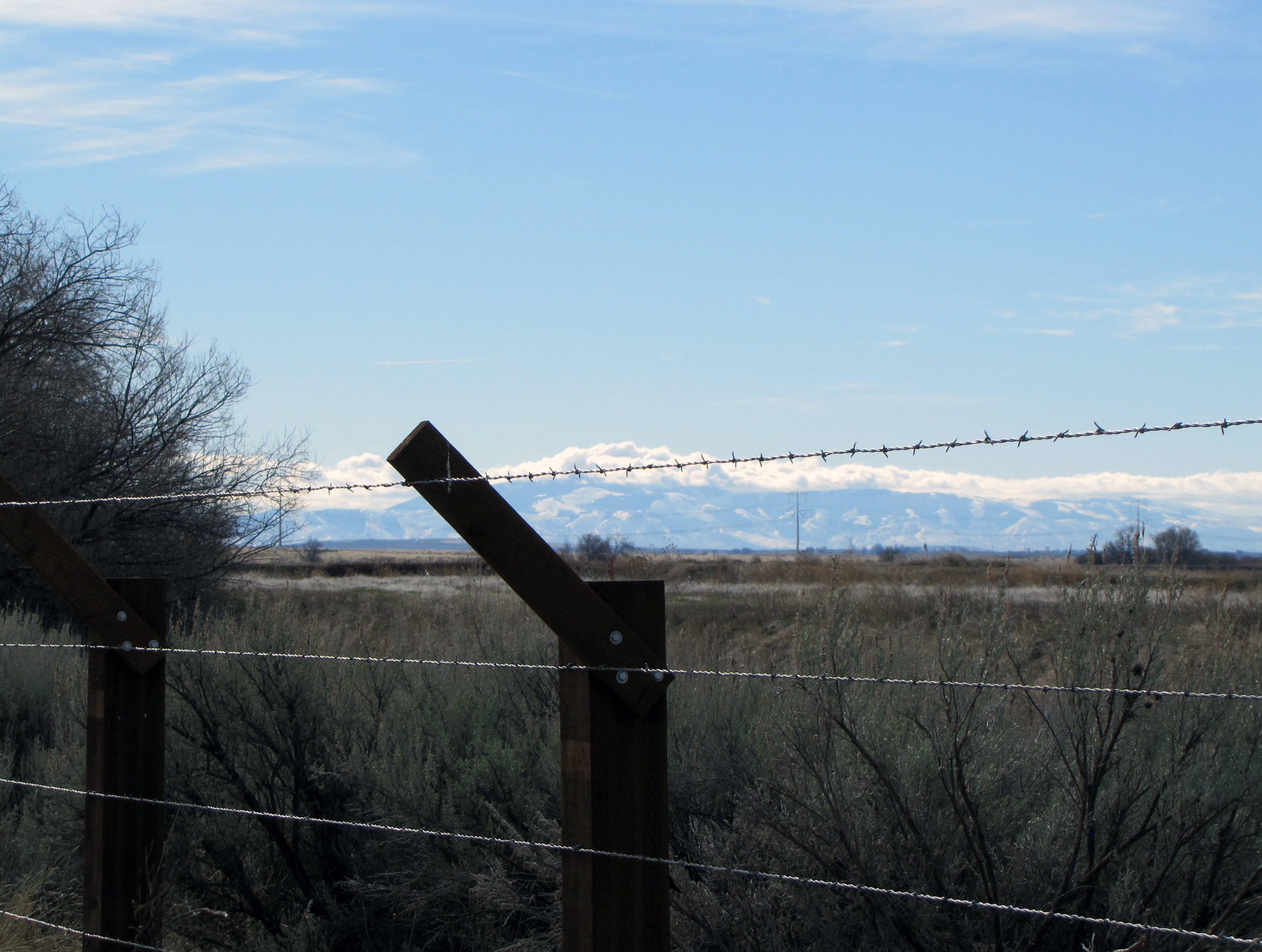
Minidoka National Historic Site preserves one of ten World War II incarceration camps where over 13,000 Japanese Americans were unjustly imprisoned in Idaho's high desert. Families walk among the few remaining structures including Block 22 barracks, the root cellar, and the historic warehouse that now serves as the visitor center. Unlike other historic sites, Minidoka's stark desert landscape helps visitors understand the harsh conditions faced by incarcerees who built a community despite being surrounded by barbed wire and guard towers. The site's memorial wall lists names of all those imprisoned here, making the history deeply personal for children learning about civil rights and resilience.
Junior Ranger Program at Minidoka National Historic Site
The Junior Ranger program at Minidoka guides kids through age-appropriate activities that help them understand this difficult period in American history while focusing on themes of courage, friendship, and justice. Young visitors complete workbook activities, explore the preserved barracks, and participate in ranger-led discussions that encourage empathy and critical thinking about civil rights and standing up for what's right.
- Visit the preserved Honor Roll barracks building
- Complete activities about Japanese American culture and contributions
- Earn a special Junior Ranger badge while learning about civil rights
Program Details
Download Junior Ranger Booklet
Get a head start! Download and print the booklet before your visit.
Source: NPS Junior Ranger Program Page
Best Ages for Minidoka National Historic Site
Age ranges are suggested groupings — check at the visitor center for the official Junior Ranger booklet breakdown.
Ages 4–7
Young children connect well with stories about families and friendship while exploring the barracks structure. The walking trail is manageable for little legs, though the heavy subject matter requires thoughtful parent guidance and age-appropriate explanations about fairness and standing up for others.
Ages 8–12
School-age kids can better grasp the injustice of incarceration and relate to stories of children their age who lived at Minidoka. They engage meaningfully with the visitor center exhibits and can handle more detailed discussions about civil rights and what it means to be an American citizen.
Ages 13+
Teenagers and adults appreciate the full historical context and constitutional issues surrounding Japanese American incarceration. They can tackle complex questions about democracy, prejudice, and how similar injustices might be prevented, making this an ideal site for family discussions about current events and civic responsibility.
Planning Your Visit
Getting There
The visitor center sits right off Highway 25 between Twin Falls and Jerome with ample parking for RVs and vans. No entrance fees or reservations required, though checking seasonal visitor center hours ahead of time ensures you can pick up Junior Ranger materials and speak with rangers.
Van & RV Notes
Large vehicle parking is available at the visitor center, and the site works well for Sprinter vans with no height restrictions for outdoor areas. Twin Falls offers multiple RV services and supply stores just 20 minutes away, including Walmart and grocery stores for restocking before heading to other Idaho destinations.
Best Time to Visit
Spring through fall provides the most comfortable weather for the 1.6-mile walking trail, as Idaho's high desert gets quite cold in winter with limited visitor center hours. Summer can be hot with little shade, so early morning or late afternoon visits work best during peak season.
How Long to Spend
Plan 2-3 hours to watch the George Takei-narrated film, explore the visitor center exhibits, and walk the trail to see the remaining structures. Families truly interested in the history often spend longer discussing what they've learned and completing Junior Ranger activities.
Don't Miss
The preserved Block 22 barracks gives kids a tangible sense of the cramped living conditions families endured, while the memorial wall with names of all incarcerees makes the history personal rather than abstract. The 30-minute film narrated by Star Trek's George Takei provides excellent historical context that helps children understand this difficult chapter in American history.
Fun Facts for Kids
Over 13,000 people were imprisoned at Minidoka, making it Idaho's eighth-largest city during World War II
Incarcerees built their own schools, hospitals, and farms in the desert, growing vegetables and raising livestock
The camp had its own newspaper called the Minidoka Irrigator, written by the prisoners themselves
Many young men from Minidoka volunteered to serve in the U.S. military while their families remained imprisoned
Plan Your Stay
Save on park entry with the America the Beautiful Pass — $80 for unlimited access to all 400+ National Park sites for a full year.
Where to Stay
Some of the links above are affiliate links. If you book through them, we may earn a small commission at no extra cost to you.
Nearby Parks to Earn More Badges
City Of Rocks National Reserve
City of Rocks National Reserve offers spectacular rock climbing and hiking among towering granite spires that pioneer wagons once navigated along the California Trail.
Craters Of The Moon National Monument & Preserve
Craters of the Moon National Monument showcases an otherworldly volcanic landscape where kids can explore lava tubes and cinder cones that look like the surface of the moon.
Hagerman Fossil Beds National Monument
Hagerman Fossil Beds National Monument preserves one of North America's richest fossil sites where families can see ancient horse fossils and learn about paleontology.
See all Junior Ranger badges
Track your family's progress across every National Park Service site
View Badge Tracker