
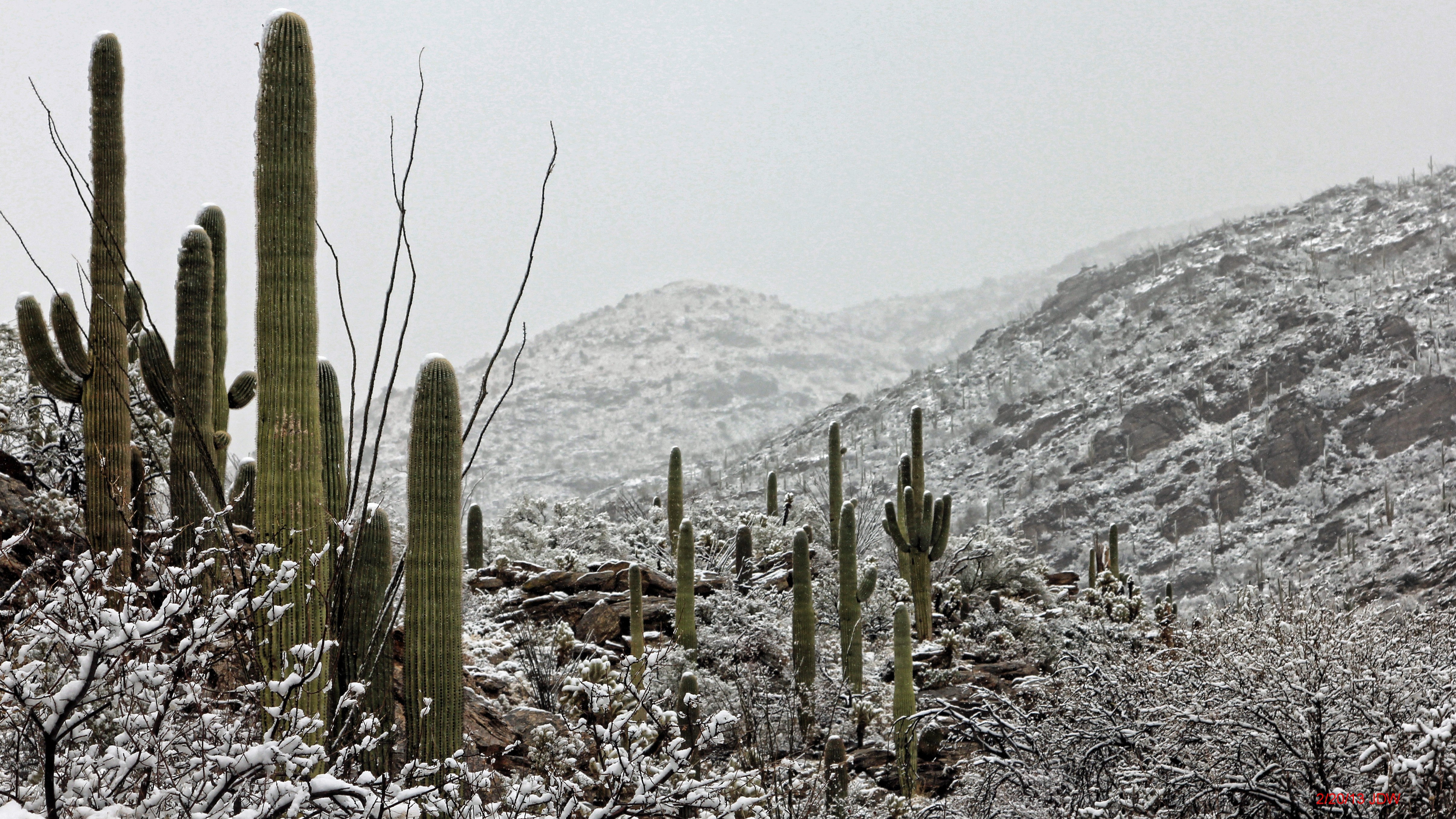
Saguaro National Park protects the world's largest concentration of saguaro cacti, with some specimens standing over 40 feet tall and weighing up to 8 tons when fully hydrated. The park's two districts showcase different stages of the Sonoran Desert ecosystem, from younger saguaros in the west to ancient forest giants in the east that can live over 200 years. Families discover that these desert sentinels don't grow their first arm until they're 75-100 years old, making every multi-armed saguaro they encounter a true desert elder. The Cactus Forest Loop Drive in the east and Bajada Loop Drive in the west offer accessible ways to experience this unique landscape where roadrunners, javelinas, and Gila monsters thrive among the towering cacti.
Junior Ranger Program at Saguaro National Park
The Junior Ranger program at Saguaro engages kids in exploring desert ecology through fun activities like identifying cacti species, learning about desert animal adaptations, and understanding water conservation. Children complete age-appropriate activities in their Junior Ranger booklet while hiking scenic trails and participating in ranger-led programs about this unique desert ecosystem.
- Meeting giant saguaro cacti up close on family-friendly nature trails
- Spotting desert wildlife like roadrunners, coyotes, and colorful desert birds
- Learning how desert plants and animals survive in extreme conditions
Program Details
Best Ages for Saguaro National Park
Ages 4–6
Young children love spotting the different shapes of saguaro cacti along the scenic drives and counting how many arms each giant has. The short Desert Discovery Trail offers an easy introduction to desert plants and animals without overwhelming little legs. We recommend sticking to paved trails and visitor center exhibits during the hottest parts of the day.
Ages 7–10
This age group enjoys learning about desert animal adaptations and how saguaros store water during rare desert rains. The Junior Ranger activities typically include identifying different cactus species and understanding the relationships between desert plants and animals. Kids this age can handle slightly longer walks on maintained trails while completing their booklet activities.
Ages 11+
Older kids and teens appreciate the complex desert ecosystem relationships and the impressive longevity of saguaro cacti. They can tackle more challenging trail sections and often enjoy photography opportunities during golden hour when the cacti are silhouetted against colorful skies. The program may include activities about desert conservation and climate adaptation that appeal to this age group's developing environmental awareness.
Planning Your Visit
Getting There
The park has two separate districts on opposite sides of Tucson, each with its own entrance station and visitor center. Both districts offer ample parking at trailheads and visitor centers, with no reservations required for day visits. The scenic drives in both districts accommodate larger vehicles easily with multiple pullouts for viewing and photography.
Van & RV Notes
Both scenic drives work well for Sprinter vans with wide pullouts and easy navigation - the Cactus Forest Loop Drive is paved while portions of Bajada Loop are graded dirt road. No camping is available within the park, but nearby Gilbert Ray Campground accommodates RVs up to 32 feet. The visitor centers have adequate parking for larger vehicles, though spaces fill up during peak winter months.
Best Time to Visit
October through April offers the most comfortable temperatures for families, with daytime highs in the 60s-70s perfect for hiking and outdoor activities. Summer visits require very early morning starts, as temperatures regularly exceed 100°F and interpretive programs are limited. Winter months see the heaviest crowds, especially January through March when snowbirds arrive.
How Long to Spend
Plan a full day to experience both districts properly, with 2-3 hours in each area including scenic drives and short walks. The Junior Ranger program can be completed in one district if time is limited, though families truly love seeing the contrast between the younger and older saguaro forests.
Don't Miss
The sunset viewing from either district creates absolutely stunning silhouettes of the saguaro cacti against vibrant desert skies that kids will remember forever. The Desert Discovery Trail offers an easy quarter-mile walk where families consistently spot roadrunners, ground squirrels, and learn to identify the different desert plants that make this ecosystem so unique.
Fun Facts for Kids
Saguaro cacti don't grow their first arm until they're 75-100 years old, making every multi-armed giant a true desert senior citizen
A fully grown saguaro can weigh up to 8 tons when filled with water after a desert rainstorm
Saguaro flowers only bloom at night and are pollinated by bats, making them Arizona's state flower despite being a nocturnal bloomer
The park protects over 1 million saguaro cacti across its two districts, representing the largest concentration of these giants in the world
Plan Your Stay
Save on park entry with the America the Beautiful Pass — $80 for unlimited access to all 400+ National Park sites for a full year.
Where to Stay
Some of the links above are affiliate links. If you book through them, we may earn a small commission at no extra cost to you.
Nearby Parks to Earn More Badges
Casa Grande Ruins National Monument
Casa Grande Ruins National Monument preserves a mysterious four-story adobe structure built by the Hohokam people over 700 years ago, offering kids a chance to explore ancient desert architecture and archaeology.
Coronado National Memorial
Coronado National Memorial commemorates the first major European expedition into the American Southwest, with hiking trails offering panoramic views across the U.S.-Mexico border and visitor center exhibits about 16th-century exploration.
Fort Bowie National Historic Site
Fort Bowie National Historic Site tells the story of the Apache Wars through a moderate 1.5-mile hike to the historic fort ruins, where families can explore military history in the dramatic Dos Cabezas Mountains.
See all Junior Ranger badges
Track your family's progress across every National Park Service site
View Badge Tracker