
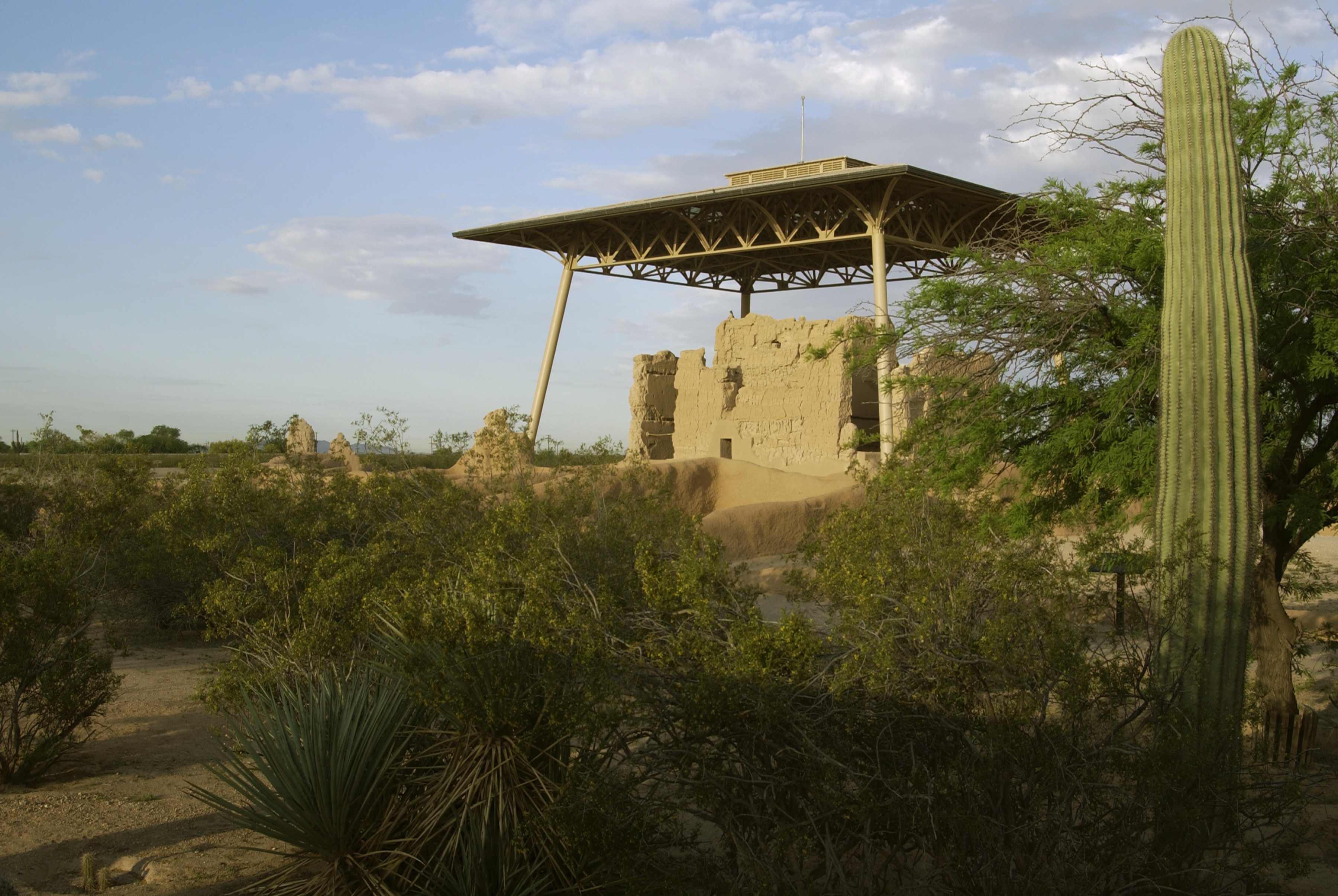
Casa Grande Ruins preserves the mysterious four-story "Great House" built by the Hohokam people around 1350 CE, standing as one of the largest prehistoric structures in North America. The monument protects not just this iconic building under its modern protective roof, but also the remains of an extensive canal system that brought life to the Sonoran Desert. Families can walk the short interpretive trail to see ball courts, compound walls, and other structures that reveal how the Hohokam created a thriving agricultural community in this harsh desert environment. What makes Casa Grande unique is its urban setting—you're literally exploring ancient ruins while modern Coolidge surrounds the park boundaries.
Junior Ranger Program at Casa Grande Ruins National Monument
The Junior Ranger program at Casa Grande Ruins transforms young visitors into archaeological detectives as they explore ancient Hohokam culture. Kids complete age-appropriate activities that teach them about desert survival, ancient building techniques, and the daily life of people who thrived in the Sonoran Desert long before modern cities existed.
- Walk among 700-year-old ruins and imagine ancient daily life
- Learn how Hohokam people survived and thrived in the desert
- Discover the mystery of the Great House's original purpose
Program Details
Best Ages for Casa Grande Ruins National Monument
Age ranges are suggested groupings — check at the visitor center for the official Junior Ranger booklet breakdown.
Ages 4–7
Young children love the short walk to see the "big house" and often ask wonderful questions about how people lived here long ago. The Junior Ranger activities help them connect with desert animals and basic concepts about the Hohokam people. Keep visits shorter during warmer months as little ones tire quickly in desert heat.
Ages 8–12
This age group truly engages with the archaeological detective work, comparing ancient building techniques to modern construction and understanding how irrigation made desert farming possible. The booklet activities challenge them to think critically about daily life in an ancient culture. Kids this age often become fascinated by the unsolved mysteries surrounding why the Hohokam left.
Ages 13+
Teens and adults appreciate the sophisticated engineering behind the canal systems and the complex social organization required for such projects. The program encourages deeper thinking about cultural preservation and archaeological methods. Many families find this the perfect length for engaging older kids who might find longer park visits tedious.
Planning Your Visit
Getting There
The park sits right in Coolidge with easy access from Interstate 10—take either Coolidge exit and follow signs. Parking is immediately adjacent to the visitor center, making this an ideal quick stop between Phoenix and Tucson. No advance reservations needed, just show up during operating hours.
Van & RV Notes
The parking area accommodates RVs up to 35 feet, perfect for our Sprinter and most family rigs. No overnight camping is available here, but this works perfectly as a day visit while staying at nearby McFarland Historical State Park or commercial RV parks in Coolidge. The compact size means easy maneuvering even for larger rigs.
Best Time to Visit
October through April offers the most comfortable temperatures for families, with winter days in the pleasant 60s-80s range. Summer visits are possible but challenging with temperatures often exceeding 100°F—if visiting in summer, arrive right when they open at 9am. Spring brings wildflowers but also dust storms, so check weather conditions before traveling.
How Long to Spend
Plan 1.5 to 2 hours for a complete visit including the Junior Ranger program and interpretive trail. This compact monument works perfectly as a morning or afternoon stop rather than a full-day destination.
Don't Miss
Walk beneath the protective ramada to stand next to the Great House—kids are amazed they can get so close to something built over 700 years ago. The museum's dioramas showing Hohokam daily life really help children visualize how families lived here, making the ruins come alive with stories of ancient children playing in these same desert spaces.
Fun Facts for Kids
The Great House was built with walls up to four feet thick using a concrete-like mixture called caliche that has lasted over 700 years
The Hohokam dug over 1,000 miles of irrigation canals throughout the Phoenix area—more than exist today
Casa Grande means 'big house' in Spanish, named by Father Kino when he first saw it in 1694
The structure's windows and doorways align with celestial events, suggesting it may have served as an ancient calendar or observatory
Plan Your Stay
Save on park entry with the America the Beautiful Pass — $80 for unlimited access to all 400+ National Park sites for a full year.
Where to Stay
Some of the links above are affiliate links. If you book through them, we may earn a small commission at no extra cost to you.
Nearby Parks to Earn More Badges
Organ Pipe Cactus National Monument
Organ Pipe Cactus National Monument showcases the rare organ pipe cactus found nowhere else in the US, with scenic drives perfect for families wanting to see unique Sonoran Desert plants
Saguaro National Park
Saguaro National Park protects forests of giant saguaro cacti and offers excellent Junior Ranger programs focused on desert ecology and wildlife
Tonto National Monument
Tonto National Monument preserves cliff dwellings of the Salado people, giving families a chance to compare different ancient cultures and building styles
See all Junior Ranger badges
Track your family's progress across every National Park Service site
View Badge Tracker