
 Photo: NPS Photo/ Davis Stevenson
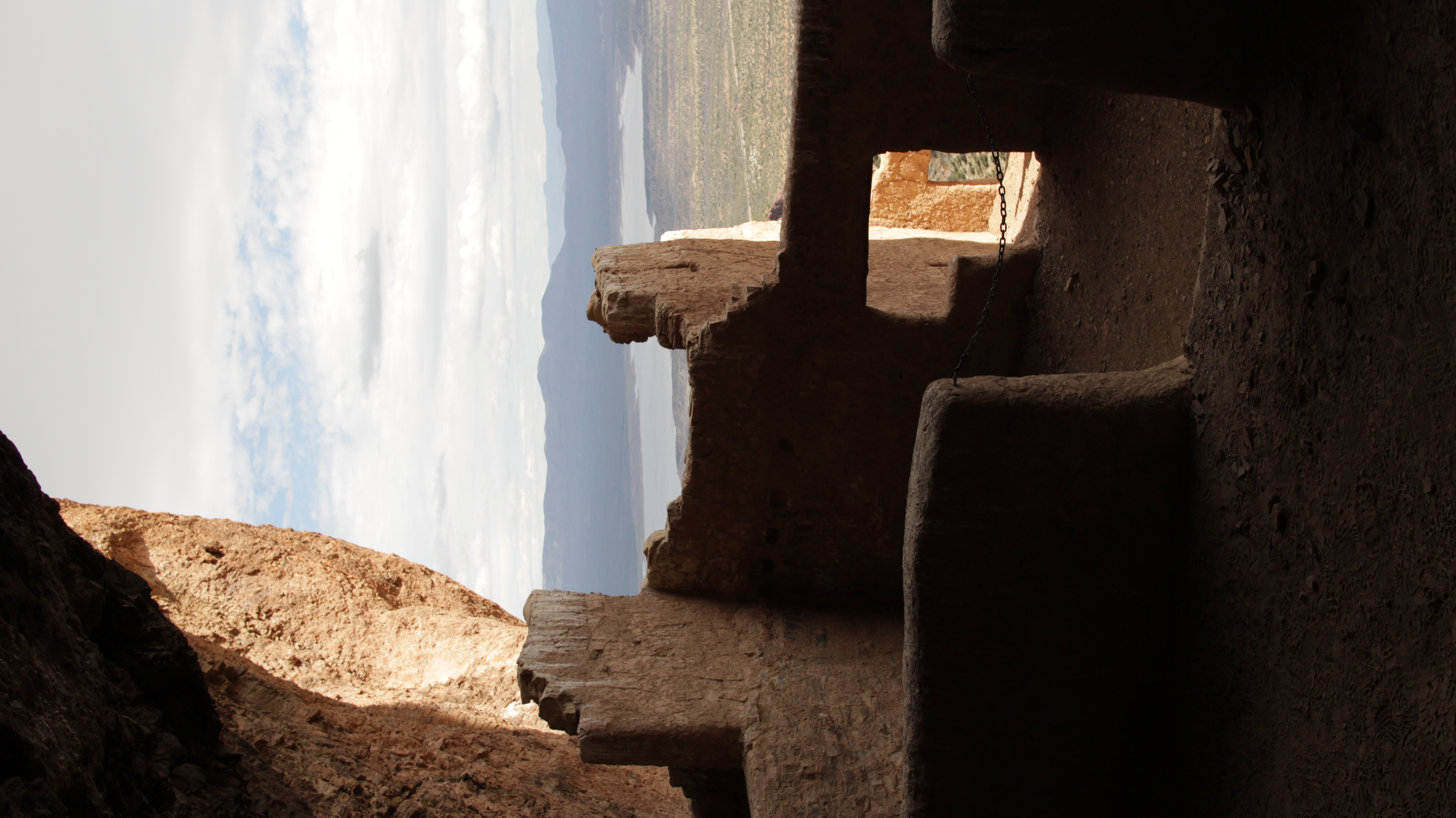
Tonto National Monument preserves remarkably well-preserved 14th-century cliff dwellings built by the Salado people, perched dramatically in natural limestone caves 300 feet above the Salt River valley. The Lower Cliff Dwelling, accessible via a moderate half-mile trail, contains 16 rooms where families can walk through actual doorways and peer into ancient storage spaces. Unlike other Southwest cliff dwelling sites, Tonto's structures showcase unique Salado polychrome pottery and textiles that blend Hohokam, Ancestral Puebloan, and Mogollon cultural traditions. The monument sits within the Upper Sonoran Desert life zone, where towering saguaro cacti create a stunning backdrop against Roosevelt Lake, one of Arizona's largest reservoirs.
Junior Ranger Program at Tonto National Monument
The Junior Ranger program at Tonto National Monument combines archaeology, cultural history, and desert ecology as kids complete activities about the Salado people and their cliff dwellings. Young explorers learn about ancient construction techniques, desert survival, and Native American traditions while earning their official Junior Ranger badge and certificate.
- Explore 700-year-old cliff dwellings accessible via family-friendly trails
- Learn hands-on archaeology skills and ancient building techniques
- Spot desert wildlife like javelinas, coyotes, and colorful desert birds
Program Details
Download Junior Ranger Booklet
Get a head start! Download and print the booklet before your visit.
Source: NPS Junior Ranger Program Page
Best Ages for Tonto National Monument
Ages 9 and younger
This age group completes at least six pages marked with the tarantula symbol, focusing on sensory exploration, drawing activities, and basic cultural concepts. The maze activity, saguaro drawing page, and wildlife identification are particularly engaging for younger children. Activities emphasize hands-on learning about desert plants and animals rather than complex archaeological concepts.
Ages 10 and older
Older children complete at least six pages marked with the centipede symbol, tackling more complex activities like tree ring dating (dendrochronology), archaeological site documentation, and detailed pottery design analysis. This tier includes challenging riddles about artifacts, ethnobotany matching exercises, and deeper exploration of Salado culture and survival techniques.
Arizona Junior Ranger Explorer
Teens and adults can pursue the Arizona Junior Ranger Explorer patch by visiting four National Park Service sites across Arizona and completing an expanded activity booklet. This advanced program includes John Wesley Powell historical activities, Leave No Trace principles, and specialized topics like historic archaeology spanning multiple pages of detailed work.
Planning Your Visit
Getting There
The monument sits 30 miles from Globe along AZ Highway 188, with ample parking at the visitor center that easily accommodates RVs and large vehicles. No reservations are required for the Lower Cliff Dwelling trail, but arrive before noon during summer months (May-October) as the trail closes at midday due to extreme heat. The Upper Cliff Dwelling requires advance tour reservations.
Van & RV Notes
The visitor center parking area is spacious and level, easily handling our 22-foot Sprinter and larger RVs without height restrictions or maneuvering challenges. While there's no camping at the monument itself, Tonto National Forest offers dispersed camping opportunities nearby, and Roosevelt Lake provides developed campgrounds with hookups about 4 miles away.
Best Time to Visit
October through April offers the most comfortable hiking weather, with March and April featuring spectacular wildflower blooms throughout the desert. Summer visits (May-October) require starting the trail hike before noon, making morning arrival essential. Winter months occasionally bring snow to higher elevations and icy road conditions, though the monument itself typically remains accessible.
How Long to Spend
Plan a full morning or afternoon (3-4 hours) to explore the museum exhibits, complete Junior Ranger activities, and hike the Lower Cliff Dwelling trail at a comfortable pace with kids. The half-mile trail takes 30-90 minutes depending on how long families spend exploring the dwelling itself.
Don't Miss
The museum's remarkable collection of original Salado pottery, textiles, and artifacts provides essential context before hiking to the cliff dwelling, where kids can peer into ancient storage rooms and imagine daily life 700 years ago. Standing inside the dwelling while gazing out over Roosevelt Lake and the surrounding desert creates an unforgettable connection to the ingenuity of the Salado people.
Fun Facts for Kids
The Salado people built their cliff dwellings using a mortar made from mud, ash, and water that has lasted over 600 years
Saguaro cacti can live over 200 years and don't grow their first arm until they're 50-70 years old
Roosevelt Lake behind the monument is actually a man-made reservoir created in 1911 by Roosevelt Dam
The Salado people wove cotton cloth so fine that some pieces have over 100 threads per inch, rivaling modern textiles
Plan Your Stay
Save on park entry with the America the Beautiful Pass — $80 for unlimited access to all 400+ National Park sites for a full year.
Where to Stay
Some of the links above are affiliate links. If you book through them, we may earn a small commission at no extra cost to you.
Nearby Parks to Earn More Badges
Casa Grande Ruins National Monument
Casa Grande Ruins National Monument features a mysterious four-story Hohokam structure that served as an astronomical observatory and gathering place 700 years ago
Montezuma Castle National Monument
Montezuma Castle National Monument showcases a spectacular five-story cliff dwelling built into a limestone cliff that looks like an ancient apartment building
Tuzigoot National Monument
Tuzigoot National Monument preserves a hilltop pueblo with 110 rooms where families can explore restored living spaces and learn about Sinagua culture
See all Junior Ranger badges
Track your family's progress across every National Park Service site
View Badge Tracker