
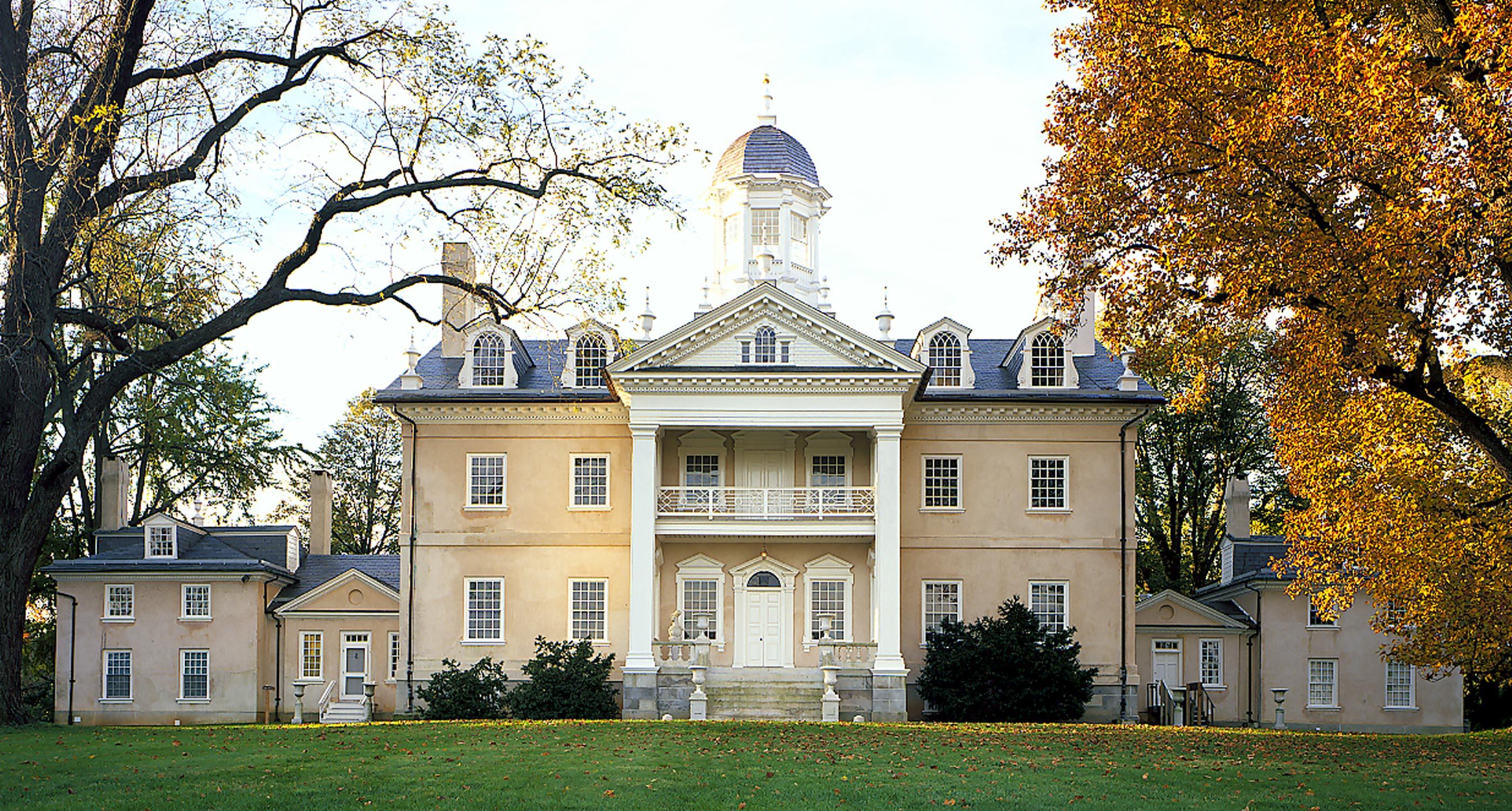
Hampton National Historic Site preserves the Georgian mansion and remaining 63 acres of what was once a 25,000-acre plantation worked by over 500 enslaved people. Families explore the symmetrical mansion with its distinctive cupola, formal terraced gardens, and original outbuildings including the stone dairy, ice house, and slave quarters that tell the complete story of plantation life. The site's unique approach presents both the wealth of the Ridgely family and the experiences of enslaved workers, indentured servants, and tenant farmers who made Hampton profitable. Kids discover how ice was stored underground year-round, learn about the famous "Hampton butter" made in the spring-fed dairy, and see where the Ridgely family coat of arms with its stag's head crest still decorates mansion details.
Junior Ranger Program at Hampton National Historic Site
The Junior Ranger program at Hampton engages young historians through interactive booklets that guide them through the mansion and grounds. Kids complete activities like identifying architectural features, learning about daily life in different time periods, and discovering stories of the diverse people who called Hampton home.
- Exploring the grand 3-story Georgian mansion with period furnishings
- Walking through formal gardens and discovering the estate's outbuildings
- Learning about both the Ridgely family and the enslaved community through engaging activities
Program Details
Download Junior Ranger Booklet
Get a head start! Download and print the booklet before your visit.
Source: NPS Junior Ranger Program Page
Best Ages for Hampton National Historic Site
Ages 4–8
Young visitors enjoy the BINGO scavenger hunt spotting mansion features like the cupola, orangery, and stone buildings around the grounds. The symmetry drawing activity and simple word search help kids focus while learning about the Georgian architecture that made Hampton special.
Ages 9–12
This age group connects well with the crossword puzzle that requires reading exhibit information throughout the site and the detailed ice house investigation. They're old enough to understand the complex stories of people like cook Dinah Toogood and dairymaid Caroline Davis Brown who worked at Hampton.
Ages 13+
Teens and adults appreciate the deeper historical analysis required for activities about family coat-of-arms symbolism and the detailed dairy operations questions. The booklet challenges older participants to think critically about the experiences of enslaved workers versus the wealthy Ridgely family, making connections between architecture and social history.
Planning Your Visit
Getting There
Hampton sits just off the Baltimore Beltway (I-695) at Exit 27B onto Dulaney Valley Road, then right on Hampton Lane — easy access from three major interstates. The visitor parking area accommodates larger vehicles including Sprinter vans, with restrooms available in the visitor center. Public transit option via Bus #11 to Goucher College or Light Rail to Lutherville requires about a mile walk.
Van & RV Notes
The visitor parking lot handles larger vehicles well, though overnight parking isn't permitted at this day-use site. Baltimore-area campgrounds like Patapsco Valley State Park accommodate Sprinter vans with hookups about 20 minutes away. The flat, paved paths around the mansion grounds make it easy to navigate with gear from your van.
Best Time to Visit
Spring through fall offers the best experience when the formal terraced gardens bloom and all outbuildings remain open for exploration. Summer brings guided mansion tours and special programs, while winter access focuses on grounds exploration since some buildings may have limited hours. Weekdays typically offer smaller crowds for a more intimate historic experience.
How Long to Spend
Plan a half-day visit to thoroughly explore the mansion, complete Junior Ranger activities, and walk the grounds to see all the historic farm buildings. Families combining this with nearby Fort McHenry can easily make a full Baltimore-area history day.
Don't Miss
The mansion tour reveals the Ridgely family's wealth through original furnishings and architectural details, while the stone dairy with its natural spring-fed cooling system shows the ingenuity of 18th-century food preservation. Kids truly love exploring the underground ice house and imagining how workers cut pond ice to keep the wealthy family's food cold year-round.
Fun Facts for Kids
The Hampton estate grew from 1,500 acres in 1745 to 25,000 acres by 1829, making it one of Maryland's largest plantations
The mansion's distinctive cupola served as both architectural decoration and a bell tower to call enslaved workers from the fields
Hampton's dairy produced famous "Hampton butter" that was sold in Baltimore markets, kept fresh using natural spring water for refrigeration
The Ridgely family motto "Cave Cervum" means "fear the stag" in Latin, and you can still see deer roaming the grounds today
Plan Your Stay
Save on park entry with the America the Beautiful Pass — $80 for unlimited access to all 400+ National Park sites for a full year.
Where to Stay
Some of the links above are affiliate links. If you book through them, we may earn a small commission at no extra cost to you.
Nearby Parks to Earn More Badges
Fort McHenry National Monument and Historic Shrine
Fort McHenry National Monument sits in Baltimore's Inner Harbor where Francis Scott Key penned the Star-Spangled Banner, perfect for combining with Hampton for a full day of Maryland history
Kenilworth Park & Aquatic Gardens
Kenilworth Park & Aquatic Gardens offers families a unique water garden experience with lotus blooms and diverse wildlife just 45 minutes south in Washington DC
Rock Creek Park
Rock Creek Park provides extensive hiking trails and nature programs in the heart of Washington DC, ideal for families wanting outdoor time after historic site visits
See all Junior Ranger badges
Track your family's progress across every National Park Service site
View Badge Tracker