
Manzanar National Historic Site
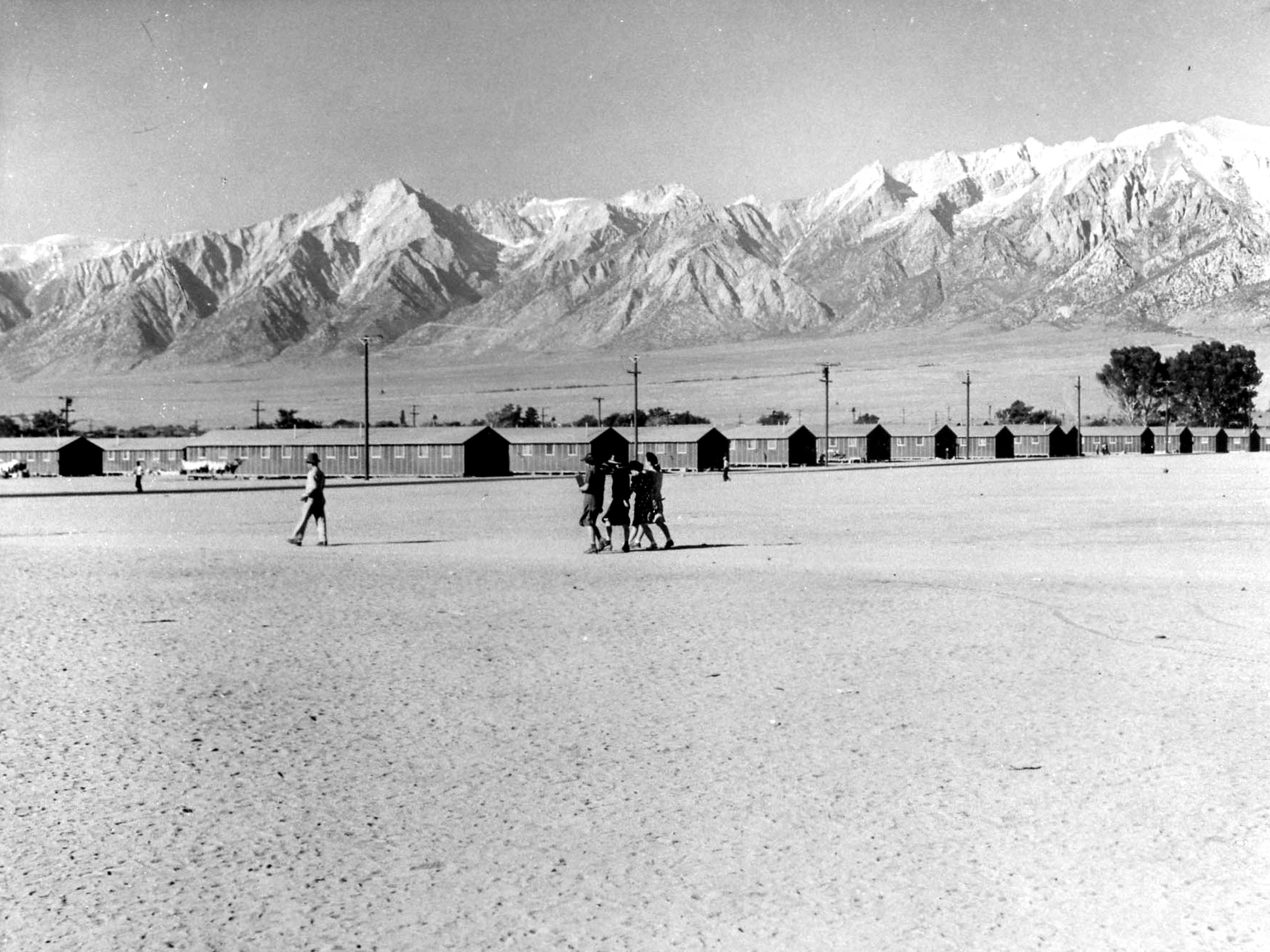
Manzanar National Historic Site preserves one of the most important civil rights stories in American history, where over 10,000 Japanese Americans were incarcerated during World War II in California's stark Owens Valley. The camp's original foundations, reconstructed barracks, and mess hall create a powerful outdoor museum set against the dramatic backdrop of the Sierra Nevada mountains. What makes Manzanar unique among historic sites is how families can walk through actual Block 14 to experience the cramped living conditions, then drive the 3.2-mile auto tour to see where gardens, schools, and baseball fields once brought life to this remote desert location. The preserved cemetery and moving exhibits help families understand how people maintained dignity and community even in the face of injustice.
Junior Ranger Program at Manzanar National Historic Site
The Junior Ranger program at Manzanar helps kids understand this complex history through age-appropriate activities and interactive exhibits in the visitor center. Children complete an activity booklet that guides them through the site while learning about resilience, civil rights, and the importance of protecting democracy for all Americans.
- Explore reconstructed barracks and learn how families lived in the camp
- Visit the moving Memorial Monument and cemetery area
- Complete hands-on activities that teach about Japanese American culture and experiences
Program Details
Best Ages for Manzanar National Historic Site
Ages 4–7
The youngest children connect well with the scavenger hunt and simple mapping activities that help them explore the visitor center and outdoor exhibits. This age group often focuses on the physical aspects of the site - walking through the reconstructed barracks and seeing the camp's layout. Parents find the program helps introduce difficult concepts through concrete, age-appropriate activities rather than abstract discussions.
Ages 8–12
Children in this age range engage deeply with the word puzzles, research activities about specific people who lived at Manzanar, and the more complex mapping exercises. They're old enough to understand the historical context while still benefiting from the interactive approach to learning about civil rights and democracy. Many kids this age are particularly drawn to the stories of children their own age who lived at the camp.
Ages 13–15
Teens can tackle the full dozen activities including writing exercises that encourage deeper reflection on the camp experience and its relevance today. They often appreciate researching specific individuals like photographer Toyo Miyatake or studying the broader context of all ten War Relocation Centers. The program challenges this age group to connect historical events to contemporary issues of civil rights and justice.
Planning Your Visit
Getting There
Manzanar sits right alongside Highway 395, making it an easy stop between the Eastern Sierra attractions and Death Valley. The visitor center parking lot easily accommodates RVs and large vans, and the site remains open from sunrise to sunset daily. No reservations are needed, and the peaceful setting makes it a natural place to pause during longer road trips.
Van & RV Notes
The spacious parking areas work perfectly for high-roof vans and large RVs, with plenty of room to maneuver our 22-foot Sprinter. While there's no overnight camping at the site itself, several campgrounds in nearby Lone Pine and Independence provide good bases for exploring the area. The flat, paved paths around the visitor center and Block 14 make the site very accessible.
Best Time to Visit
Spring and fall offer the most comfortable temperatures for walking the outdoor exhibits, with stunning mountain views and mild weather. Summer can be brutally hot with temperatures over 100°F, though early morning visits work well. Winter brings cooler temperatures but clear, crisp days that can be beautiful for photography, and the site is less crowded.
How Long to Spend
Plan half a day to truly absorb the experience - watch the 22-minute film, explore Block 14, drive the auto tour, and complete Junior Ranger activities. Families often find this pace allows for meaningful conversations about what they're learning without feeling rushed.
Don't Miss
The reconstructed Block 14 mess hall and barracks give families the most powerful sense of what daily life was like, while the peaceful cemetery at the tour's end provides a moving conclusion to the visit. Kids are often most impacted by seeing the actual spaces where children their age lived, played, and went to school despite the challenging circumstances.
Fun Facts for Kids
Manzanar residents created beautiful gardens using stones and desert plants, transforming the harsh landscape into peaceful gathering spaces
The camp had its own newspaper, schools, and even a baseball league with teams competing against each other
Some of the young men from Manzanar volunteered to serve in the U.S. military while their families remained imprisoned
Photographer Toyo Miyatake secretly documented daily life at the camp, creating an invaluable historical record
Plan Your Stay
Save on park entry with the America the Beautiful Pass — $80 for unlimited access to all 400+ National Park sites for a full year.
Where to Stay
Some of the links above are affiliate links. If you book through them, we may earn a small commission at no extra cost to you.
Nearby Parks to Earn More Badges
Devils Postpile National Monument
Devils Postpile National Monument showcases incredible hexagonal rock columns formed by ancient lava flows, plus Rainbow Falls with its stunning mist rainbows.
Death Valley National Park
Death Valley National Park offers families the chance to explore the hottest, driest, and lowest place in North America with colorful badlands and unique desert wildlife.
Sequoia & Kings Canyon National Parks
Sequoia & Kings Canyon National Parks feature some of the world's largest trees, including General Sherman, plus family-friendly trails through giant sequoia groves.
See all Junior Ranger badges
Track your family's progress across every National Park Service site
View Badge Tracker