
Sequoia & Kings Canyon National Parks
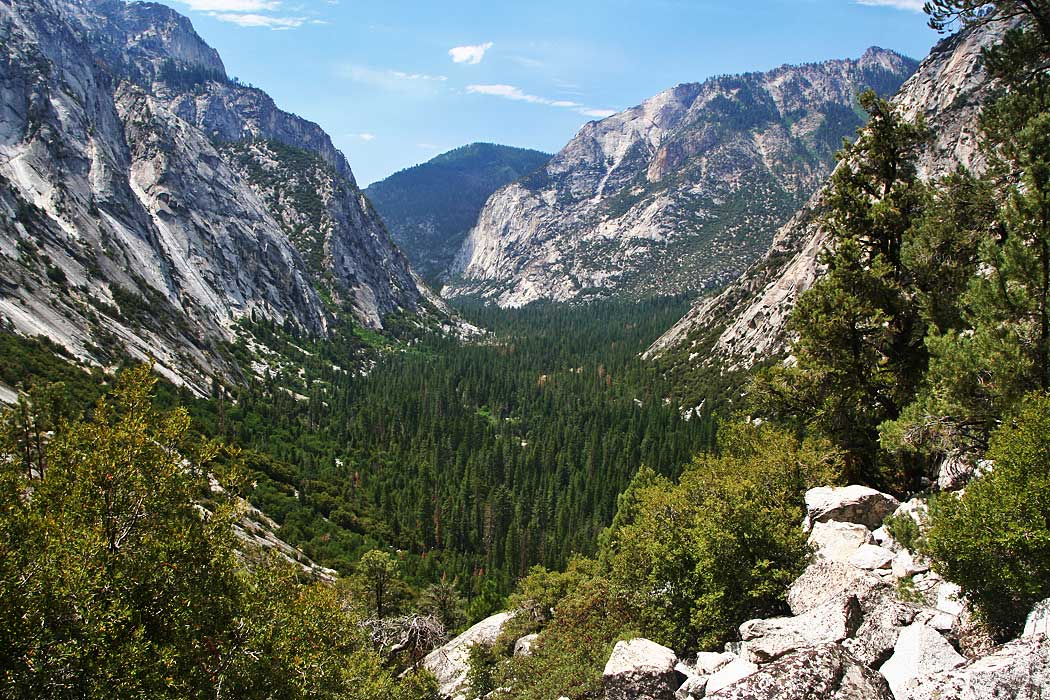
Sequoia & Kings Canyon National Parks protect the largest trees on Earth by volume, with General Sherman Tree weighing an estimated 2.7 million pounds — more than 400 elephants combined. These twin parks showcase dramatically different landscapes, from the towering Giant Forest sequoia groves to the granite wilderness of Kings Canyon, which plunges deeper than the Grand Canyon. Families can drive through Tunnel Log, a fallen sequoia you can actually drive under, and explore underground at Crystal Cave with its polished marble formations. The parks' unique Mediterranean climate creates perfect growing conditions for these ancient giants, some over 3,000 years old.
Junior Ranger Program at Sequoia & Kings Canyon National Parks
The Junior Ranger program here focuses on giant sequoia conservation and forest ecosystems, with activities like measuring tree circumference, learning about forest fires, and completing wilderness safety challenges. Kids earn special badges while discovering how these ancient giants survive and thrive in their mountain habitat.
- Stand next to the General Sherman Tree - the world's largest living tree
- Explore Crystal Cave's underground marble formations
- Hike easy trails through giant sequoia groves perfect for little legs
Program Details
Best Ages for Sequoia & Kings Canyon National Parks
Age ranges are suggested groupings — check at the visitor center for the official Junior Ranger booklet breakdown.
Ages 4–7
Young children absolutely love the massive scale of the sequoias — everything feels magical when you're standing next to a 2,000-year-old tree. The easy paved trails through Giant Forest work perfectly for little legs, and they're fascinated by comparing their height to the tree trunks using the measurement activities.
Ages 8–12
This age group truly connects with the conservation message and enjoys the hands-on activities about forest ecosystems and fire ecology. They can handle longer walks to see multiple groves and love learning how sequoias depend on fire to reproduce, making the burn scars and new growth meaningful discoveries.
Ages 13+
Teens and adults appreciate the deeper wilderness aspects and can tackle more challenging hikes like the trail to Moro Rock for panoramic views. They're drawn to the complex relationships between climate, elevation, and forest health that make these ancient ecosystems so unique.
Planning Your Visit
Getting There
Entrance stations typically require reservations during peak season, so book timed entry passes in advance. The winding mountain roads take longer than expected — plan extra driving time from the Central Valley. Parking fills early at popular spots like Giant Forest, so arrive before 10am or after 4pm.
Van & RV Notes
Our Sprinter handles the mountain roads fine, but larger RVs over 24 feet may struggle with tight turns and steep grades. Lodgepole and Dorst Creek campgrounds accommodate bigger rigs better than Potwisha or Buckeye Flat. No hookups available in the parks, but dump stations are provided at select campgrounds.
Best Time to Visit
May through October offers the most accessible roads and comfortable hiking weather, though July and August bring the heaviest crowds. Late spring (May-June) provides ideal conditions with wildflowers and rushing waterfalls, while September offers warm days, cool nights, and fewer families. Winter brings snow and road closures to higher elevations.
How Long to Spend
Plan at least a full day to experience both the sequoia groves and a sampling of Kings Canyon's dramatic granite landscapes. Two days allows families to fully appreciate the different ecosystems and complete Junior Ranger activities without rushing.
Don't Miss
Drive the scenic Kings Canyon Scenic Byway to Cedar Grove for stunning granite cliffs and the roaring Kings River — it's one of the most dramatic canyon drives in the country. Walk through the Tunnel Log and measure your family against the General Sherman Tree's massive trunk for photos that truly capture the incredible scale.
Fun Facts for Kids
General Sherman Tree grows about one inch wider every 15-20 years and is still growing taller
Sequoia bark can be up to 3 feet thick and is naturally fire-resistant
Kings Canyon is deeper than the Grand Canyon in some places, reaching depths over 8,000 feet
Giant sequoias only grow naturally on the western slopes of California's Sierra Nevada mountains
Plan Your Stay
Save on park entry with the America the Beautiful Pass — $80 for unlimited access to all 400+ National Park sites for a full year.
Where to Stay
Some of the links above are affiliate links. If you book through them, we may earn a small commission at no extra cost to you.
Nearby Parks to Earn More Badges
See all Junior Ranger badges
Track your family's progress across every National Park Service site
View Badge Tracker