
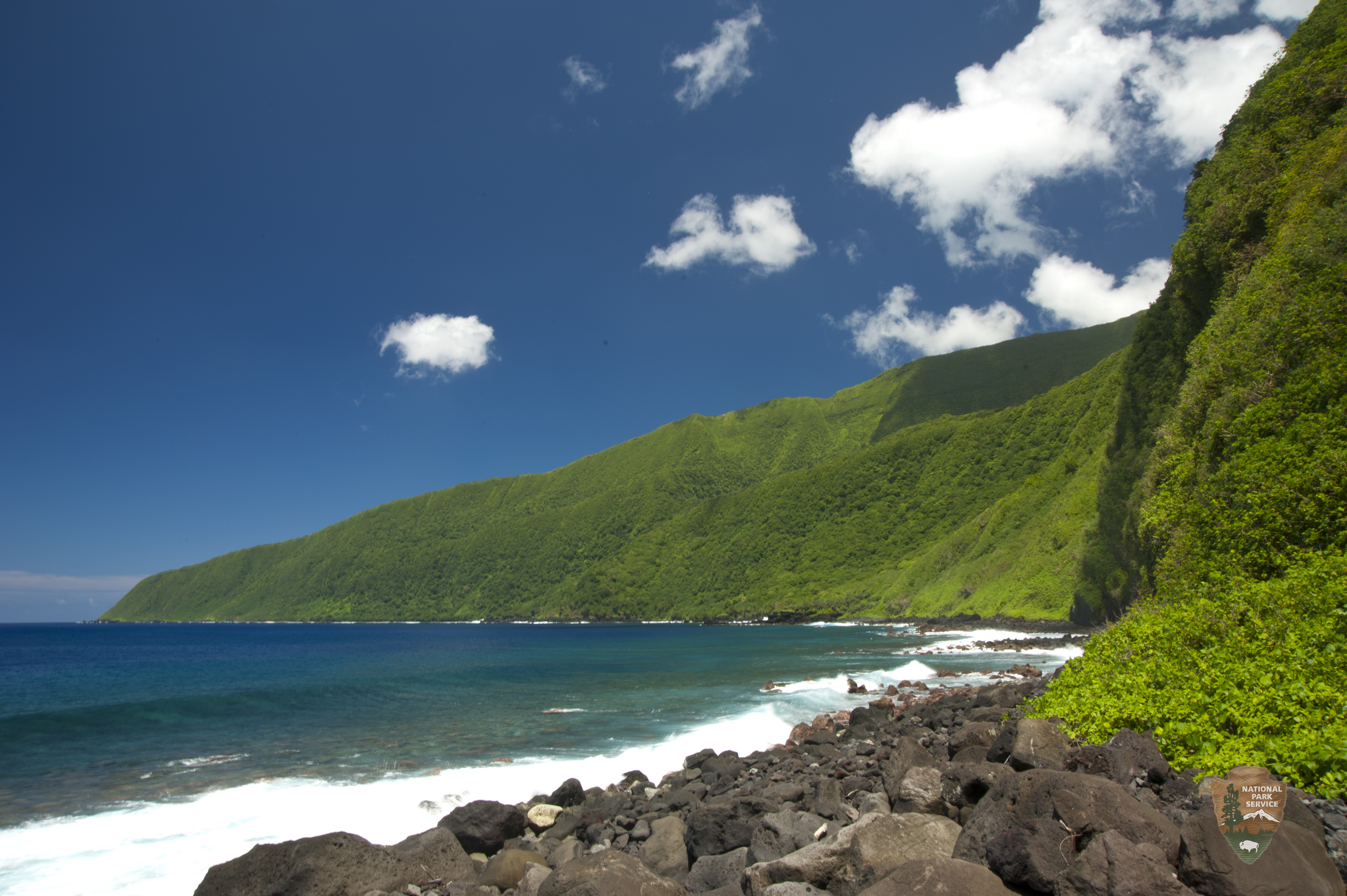
 Photo: NPS Photo / Michael Larson
National Park of American Samoa protects the world's northernmost coral atoll at Rose Atoll and encompasses traditional Samoan villages where families still practice 3,000-year-old Polynesian customs. Families explore three distinct islands — Tutuila, Ta'u, and Ofu — each offering unique experiences from fruit bat colonies in ancient rainforests to pristine coral reefs teeming with over 950 fish species. The park's paleotropical rainforest represents one of the last intact examples of this ecosystem in the Pacific, featuring native plants found nowhere else on Earth. Unlike any other U.S. national park, visitors here experience living Polynesian culture alongside untouched tropical wilderness, where traditional fale (houses) sit within park boundaries and local families share their ancestral knowledge with visitors.
Junior Ranger Program at National Park of American Samoa
The Junior Ranger program here combines marine biology with cultural discovery as kids explore coral reef ecosystems and learn about traditional Samoan life. Young rangers participate in hands-on activities like identifying tropical fish, understanding rainforest ecology, and discovering how Polynesian navigators used stars to cross the Pacific. The program beautifully weaves together environmental stewardship with respect for indigenous culture.
- Snorkeling in crystal-clear waters to spot colorful tropical fish
- Learning traditional Samoan games and cultural practices
- Hiking through lush rainforest trails to discover unique wildlife
Program Details
Download Junior Ranger Booklet
Get a head start! Download and print the booklet before your visit.
Source: NPS Junior Ranger Program Page
Best Ages for National Park of American Samoa
Ages 5 and under
Little ones complete just 3 activities focusing on tropical animals and ocean life they can easily spot during family visits. The short Pola Island Trail and beach exploration at Vatia work perfectly for this age group's attention span and energy levels.
Ages 6–9
Kids tackle 6 activities that dive deeper into coral reef ecosystems and traditional Samoan culture, perfectly matching their growing curiosity about different ways of life. This age group truly loves learning about fruit bat colonies and practicing Polynesian navigation techniques mentioned in the booklet.
Ages 10 and up
Older participants complete 8 comprehensive activities that challenge them to understand complex relationships between marine ecosystems and indigenous culture. This age group can handle the more demanding trails like Mount Alava while connecting environmental stewardship concepts to traditional Samoan land management practices.
Planning Your Visit
Getting There
Reaching American Samoa requires flying from Honolulu, typically through Hawaiian Airlines, making this a special fly-and-explore destination rather than a traditional van life stop. The visitor center sits in Pago Pago village across from Pago Way Service Station, with no entrance fees or reservations required. Most park sites are accessible by rental car, though some remote areas may require local guides or boat access.
Van & RV Notes
Since American Samoa requires air travel from the mainland U.S., plan to rent a standard vehicle locally for island exploration rather than bringing your Sprinter. Local rental cars work perfectly for reaching trailheads and villages, though some backcountry areas may need 4WD during the rainy season.
Best Time to Visit
The dry season from June through September offers the most comfortable family conditions with less humidity and fewer all-day rain showers, though brief tropical showers occur year-round. October through May brings heavier rains and tropical storm potential, but also lush rainforest conditions and calmer ocean waters for snorkeling. Cruise ship schedules can affect visitor center weekend hours, so check ahead if arriving during peak tourism months.
How Long to Spend
Plan 4-5 days to fully experience all three islands and complete Junior Ranger activities, allowing time for both cultural immersion and natural exploration. Most families find this gives them adequate time for snorkeling, hiking multiple trails, and participating in village cultural activities without rushing.
Don't Miss
The fruit bat watching experience at dusk offers families an unforgettable glimpse of the Pacific's only native flying mammals, with their three-foot wingspans creating magical silhouettes against tropical sunsets. Snorkeling in the coral reefs provides kids with hands-on marine biology education they simply cannot get anywhere else in the U.S. National Park system, with over 250 coral species creating underwater cities of color.
Fun Facts for Kids
American Samoa is the only U.S. National Park where you can swim with tropical coral reefs that are home to more than 950 species of fish
The park's fruit bats have wingspans close to three feet and are the rainforest's most important seed dispersers, essentially planting new trees with their droppings
Traditional Samoan villages within park boundaries have been continuously inhabited for over 3,000 years, making this one of the world's oldest living cultures
The park protects Rose Atoll, the world's northernmost coral atoll and one of the most pristine marine environments in the Pacific Ocean
Plan Your Stay
Save on park entry with the America the Beautiful Pass — $80 for unlimited access to all 400+ National Park sites for a full year.
Where to Stay
Some of the links above are affiliate links. If you book through them, we may earn a small commission at no extra cost to you.
Nearby Parks to Earn More Badges
Channel Islands National Park
Channel Islands National Park offers families another exceptional marine ecosystem experience with snorkeling, whale watching, and island camping adventures off California's coast.
Hawaiʻi Volcanoes National Park
Hawaiʻi Volcanoes National Park provides the perfect complement with active lava flows, steam vents, and volcanic landscapes that showcase how Pacific islands form and evolve.
Point Reyes National Seashore
Point Reyes National Seashore delivers rugged California coastal experiences with tide pools, lighthouse visits, and elephant seal colonies just north of San Francisco.
See all Junior Ranger badges
Track your family's progress across every National Park Service site
View Badge Tracker