
 Photo: Sultana Education Foundation/Chris Cerino
Unlike a single park with one entrance gate, the Star-Spangled Banner National Historic Trail is a 560-mile network of land and water routes connecting forts, battlefields, and rivers across Maryland, Virginia, and DC where the Chesapeake Campaign of the War of 1812 actually unfolded. Families can stand where the 30-by-42-foot flag flew over Fort McHenry during a 25-hour British bombardment, paddle the same waters Commodore Joshua Barney's Chesapeake Flotilla once defended, or trace the British advance up the Patuxent and Patapsco Rivers. What makes this trail distinct is that it doesn't own the land it protects — it stitches together partner sites, auto routes, bike paths, and water trails, so no two families experience it exactly the same way. It's history you drive, paddle, and bike through rather than view from behind glass.
Junior Ranger Program at Star-Spangled Banner National Historic Trail
Since this trail spans multiple sites across three states, the Junior Ranger program invites kids to complete activities at various stops, from Fort McHenry to historic waterfronts, learning how the Star-Spangled Banner came to be. Along the way, young explorers decode historical clues, explore maritime and military history, and earn their badge by connecting the dots across the entire trail.
- Stand where Francis Scott Key witnessed the battle that inspired the national anthem
- Explore forts and historic waterfronts linked to the War of 1812
- Collect stamps and badges from multiple trail sites across three states
Program Details
Download Junior Ranger Booklet
Get a head start! Download and print the booklet before your visit.
Source: NPS Junior Ranger Program Page
Best Ages for Star-Spangled Banner National Historic Trail
Ages 6-7
Kids this age only need four activities, so we steer them toward the map coloring page, the Grand Old Flag drawing activity, and the easier tier of the word search (12 words). The reading comprehension pages on the causes of the War of 1812 are tough for this age, so skip those and let an older sibling or parent read the history aloud instead.
Ages 8-9
This group completes six activities, which usually means adding the nautical vocabulary diagram and the name scramble of historical figures to the younger kids' favorites. Our kids this age genuinely enjoy identifying parts of the gunboat and matching scrambled names like Dolley Madison and Francis Scott Key to the biography pages.
Ages 10 and up
Kids 10 and older need to complete all ten activities, including the full reading comprehension section on the War of 1812's causes and the British movement-charting map exercise, which is genuinely challenging and works best with a Chesapeake Bay map in front of them. This age group tends to enjoy the Name Scramble and researching trail facts directly on nps.gov for Activity 2.
Planning Your Visit
Getting There
The trail's headquarters is Fort McHenry National Monument and Historic Shrine, about three miles southeast of Baltimore's Inner Harbor just off I-95 — take Exit 55 (Key Highway) and follow the brown Fort McHenry directional signs. Since this is a trail of connected sites rather than one entrance, download the official trail map before you go to plan which stops fit your route.
Van & RV Notes
Fort McHenry's own lot fills quickly on weekends, so we arrive early or park a bit further out and walk in rather than circling for a spot in our 22-foot Sprinter. Baltimore's and DC's downtown streets are tight and not Sprinter-friendly, so we base ourselves at a state park or campground along the route, like Westmoreland State Park in Virginia, and day-trip into the city sites.
Best Time to Visit
Spring and fall bring mild temperatures that make walking the fort ramparts and paddling the Blueway far more comfortable than Baltimore and DC's muggy summer humidity. If your family wants to catch the artillery demonstrations at Fort Washington Park, plan for the first Sunday of the month between May and November.
How Long to Spend
Treat this as a multi-day road trip rather than a single stop — with sites spread across three states, most families pick two or three trail locations per day and spend anywhere from a long weekend to a full week working through the highlights.
Don't Miss
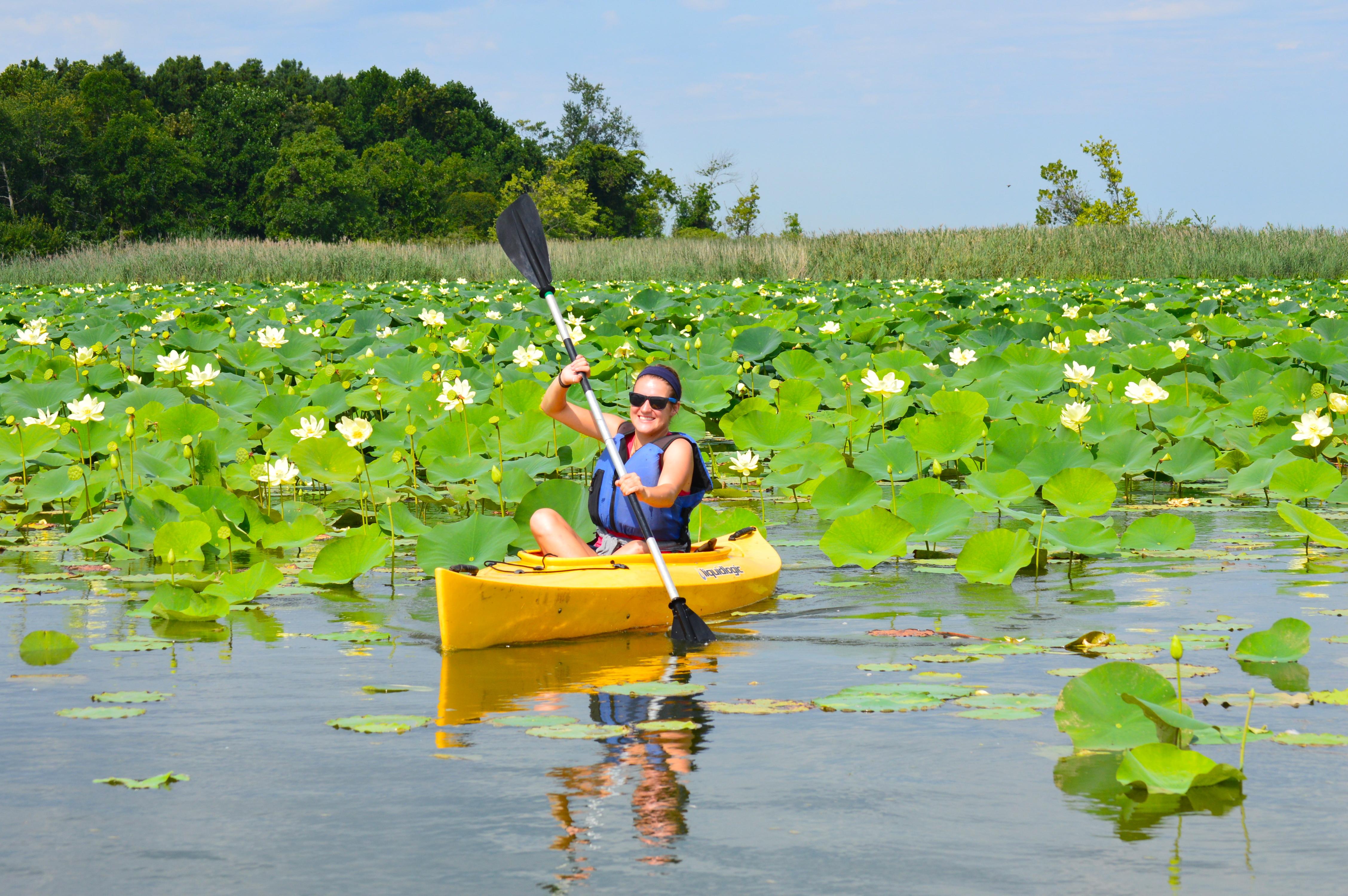
Paddling the Baltimore Blueway around Fort McHenry lets kids see the fort's ramparts from the water, the same vantage point the British fleet had during the 1814 bombardment. If you're basing out of DC, the Multi-Park Loop is an easy way to knock out several National Historic and Scenic Trail miles while visiting four different National Parks in one outing.
Fun Facts for Kids
By special order of the White House, the flag over Fort McHenry flies 24 hours a day, even through the night.
Fort McHenry is traditionally the first place a new American flag design flies whenever a star is added for a new state.
The massive flag that inspired Francis Scott Key was sewn by Mary Pickersgill's team, which included Grace Wisher, a young African American indentured servant.
Charles Ball, a formerly enslaved sailor turned flotilla crewman, later helped sink the U.S. Chesapeake Flotilla's own ships to keep them out of British hands.
Plan Your Stay
Save on park entry with the America the Beautiful Pass — $80 for unlimited access to all 400+ National Park sites for a full year.
Where to Stay
Some of the links above are affiliate links. If you book through them, we may earn a small commission at no extra cost to you.
Nearby Parks to Earn More Badges
Fort McHenry National Monument and Historic Shrine
Fort McHenry National Monument and Historic Shrine is the trail's headquarters and the actual site of the 25-hour British bombardment that inspired the national anthem — a must for completing the mail-in Junior Ranger program.
Hampton National Historic Site
Hampton National Historic Site offers its own Junior Ranger booklet and a chance to explore a Maryland plantation estate with stories connected to the same War of 1812 era.
Kenilworth Park & Aquatic Gardens
Kenilworth Park & Aquatic Gardens gives kids a break from history lessons with boardwalk trails through wetlands and water-lily ponds, plus some of DC's best casual birdwatching.
See all Junior Ranger badges
Track your family's progress across every National Park Service site
View Badge Tracker